

With the rapid expansion of budget airlines, traveling to Japan has become a national pastime. Osaka and Okinawa, in particular, are among the most popular destinations for citizens from Taiwan, who frequently bring back generous quantities of original Japanese snacks and food products.
However, since Japan’s March 11 earthquake and Fukushima nuclear accident, food items originating from Japan’s Tohoku region have faced lingering international concerns regarding potential radioactive contamination. Because goods circulate freely throughout Japan’s domestic logistics chain, consumers also worry whether contaminated ingredients might slip into supermarket shelves across the country.
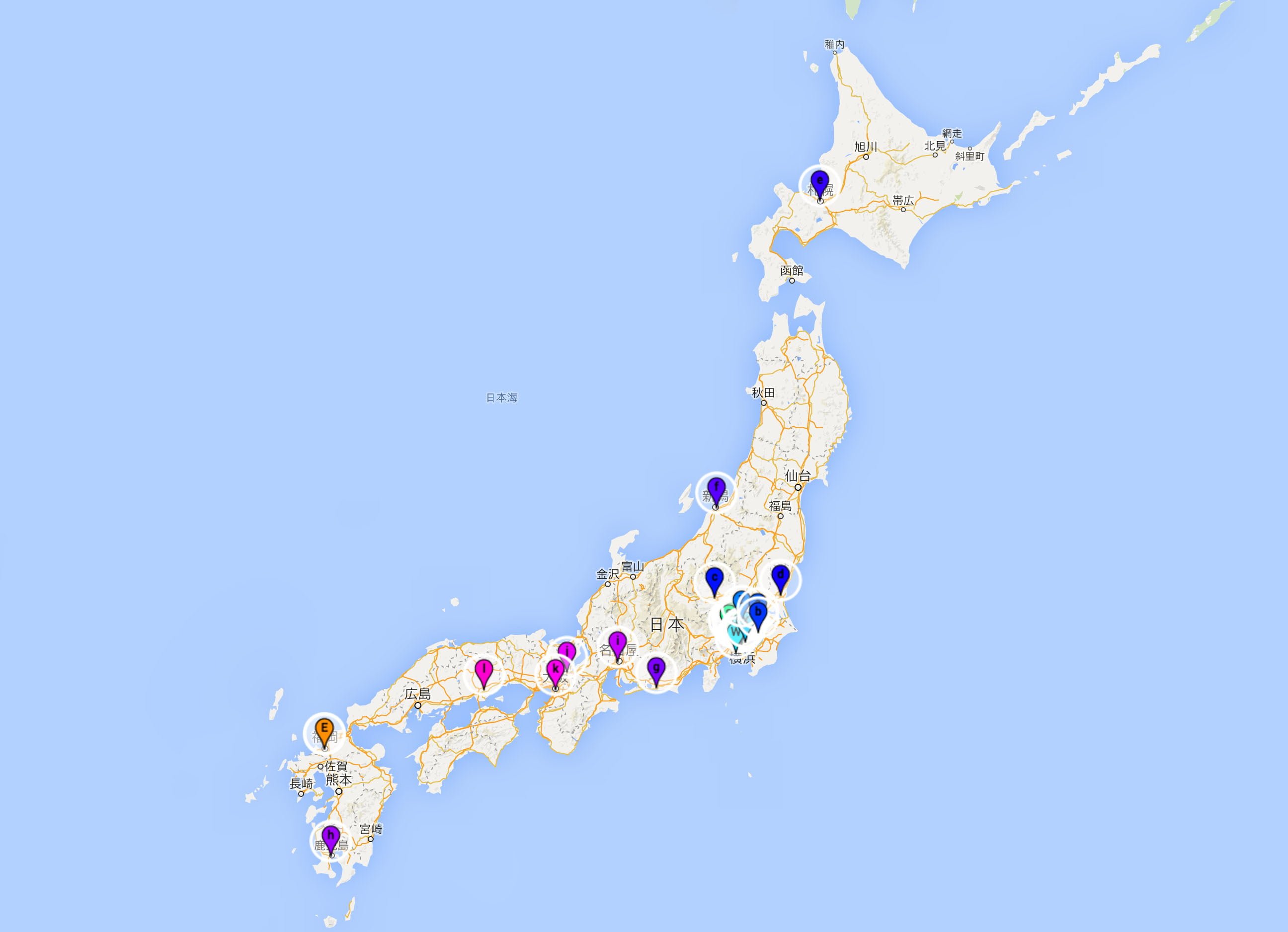
Consequently, after bilateral coordination between authorities in Taiwan and Japan, the Food and Drug Administration of the Republic of China (TFDA) announced that starting May 15, all food imports from Japan submitted for mandatory inspection must be accompanied by an official certificate of origin issued by Japanese authorities (stipulating prefecture level: to, do, fu, or ken) and a radiation test certificate confirming product safety. Besides the absolute ban on imports from the five nuclear-affected prefectures (Fukushima, Ibaraki, Tochigi, Gunma, and Chiba), dairy products, baby formula, infant food, candy, cookies, and processed cereal items produced in Miyagi, Saitama, and Tokyo must provide radiation test reports before applying for import clearance.
To accommodate an educational transition phase and prevent public backlash, the TFDA clarified that when citizens travel to Japan and bring back cookies, snacks, or infant formula strictly for personal use, shipments valued under US$1,000 and weighing no more than 6 kg in total qualify for an inspection exemption.
This new measure primarily targets commercial importers/exporters and Japanese proxy purchasing agents (daigou). Proxy buyers frequently operate along regulatory gray zones regarding sourcing and safety screening, posing latent risks to public health. However, with airlines typically granting generous checked baggage allowances of 20 kg, travelers criticized the 6 kg exemption ceiling as overly restrictive, noting that a few gift boxes of cookies easily breach the limit and calling the restriction cumbersome red tape. (Editor’s note: Regarding baggage weight limits, a 10 kg threshold would have been much more reasonable.)
Furthermore, obtaining official Japanese certificates of origin and radiation inspection reports while casually shopping is practically impossible for everyday tourists. Whether travelers will ignore the restriction knowing they cannot comply, and what specific fines or penalties apply, still requires clearer regulatory guidance from authorities.
On an additional note, even though items under 6 kg are exempt from inspection, an individual traveler is legally capped at bringing in no more than 30 kg of infant formula per calendar year. (Editor’s note: This appears to be a rule primarily on paper with minimal enforcement capability in practice.)
Supplementary Official Notices from TFDA
Certificate of Origin Requirement: TFDA Food No. 1041300855
Announcement Date: April 15, ROC Year 104 (2015)
Subject: Announcement of the directive: “Foods imported from Japan must present certificates of origin prior to applying for food import inspection,” effective 30 days following publication.
Legal Basis: Article 4 of the Regulations Inspection of Imported Foods and Related Products.
Announcement Specifics: Foods imported from Japan must be accompanied by one of the following origin verification documents before applying for import inspection:
- Official certificates of origin issued by Japanese government agencies.
- Place-of-origin documentation issued by authorized Japanese agencies or entities officially recognized by this Administration.
- The aforementioned documents must specify origin down to the prefecture level (Tokyo Metropolis, Hokkaido, Kyoto/Osaka Prefecture, or Prefectures).
Director-General: Yu-Mei Chiang
Radiation Substance Inspection Requirement: TFDA Food No. 1041300613
Issue Date: April 15, ROC Year 104 (2015)
Subject: Announcement of the directive: “Designated foods imported from Japan must present radiation inspection certificates prior to applying for food import inspection,” effective 30 days following publication.
Legal Basis: Article 4 of the Regulations Inspection of Imported Foods and Related Products.
Announcement Specifics:
- Aquatic fishery products originating in Miyagi, Iwate, Tokyo, and Ehime (commodity classification codes as listed in Appendix 1).
- Tea products originating in Tokyo, Shizuoka, Aichi, and Osaka (commodity classification codes as listed in Appendix 2).
- Dairy products, infant formula, baby food, candies, cookies, and processed cereal preparations originating in Miyagi, Saitama, and Tokyo (commodity classification codes as listed in Appendix 3).
- The designated inspection certificates must include laboratory test reports issued by radiation testing institutions designated by the Japanese government or recognized by this Administration.
Support Independent Perspectives & In-Depth Insights
Every thoughtful analysis and candid critique comes from our dedication to truth and quality. We choose not to follow sensational algorithms or clickbait headlines.
Sustaining independent research requires reader support. Make a one-time or monthly contribution, securely processed by Google.
Payments secured by Google · Manage or cancel anytime in your Google Account


Comments