
A friend has always wondered why Taiwan’s architectural aesthetics never seem to improve. Why does everyone have to add an ugly layer of corrugated sheet metal roofing on top of their buildings?
Why even exhaust themselves by skirting the legal edges of unauthorized building additions?
A craftsman specializing in architectural waterproofing once told him: “Under Taiwan’s island climate conditions, adding a sheet metal rooftop extension is the “only” effective way to prevent leaks, and it offers the highest price-to-performance ratio.”
Corrugated sheet metal roof designs are inexpensive, recyclable, multifunctional, and offer the best waterproofing and water barrier performance. You really cannot blame people in Taiwan for relying on sheet metal roofs so much.
After all, compared to many Western countries, people here often prioritize perfecting their own private interior spaces first.
If Taiwan enjoyed a Nordic climate, who would actually want this subtropical island climate characterized by high humidity, scorching heat, and frequent downpours?
If building a wooden house could endure long-term living here, who would want to live in a concrete bunker?
And frankly speaking, Taiwan’s corrugated sheet metal architecture is not inherently terrible; it is just bewildering why people constantly choose garish, lowbrow color palettes.
This is the true root of Taiwan’s aesthetic problem. Even plain silver galvanized steel or sleek black sheet metal would look far more appealing than those loud, clashing primaries of fire-engine red, turquoise blue, and grass green.
Water is an extraordinarily powerful solvent that dissolves virtually all polar molecules, and it is corrosive to almost any coating.
Unfortunately, the climatic conditions across the island of Taiwan keep buildings constantly exposed to rainy weather.
Unless you can devise another effective barrier against rainwater and stake your life on guaranteeing zero leaks for five years, building contractors will inevitably advise you to install a sheet metal roof as a defensive shed.
No matter how premium or expensive your waterproof paint is, water will inevitably breach it within a few years.
Even if you tile the entire rooftop terrace, joints and grout lines will crack over time, allowing water to seep in.
Even rugged-looking asphalt shingles require someone to climb up and patch them year after year.
In the end, simply adding an easily repairable and replaceable sheet metal roof overhead proves to be the ultimate king on Taiwan island.
Of course, some people are willing to spend extra money adopting designs combining treated wood and tempered glass, which look much more elegant from the outside.
However, once costs and typhoon safety considerations are weighed, most homeowners quickly retreat.
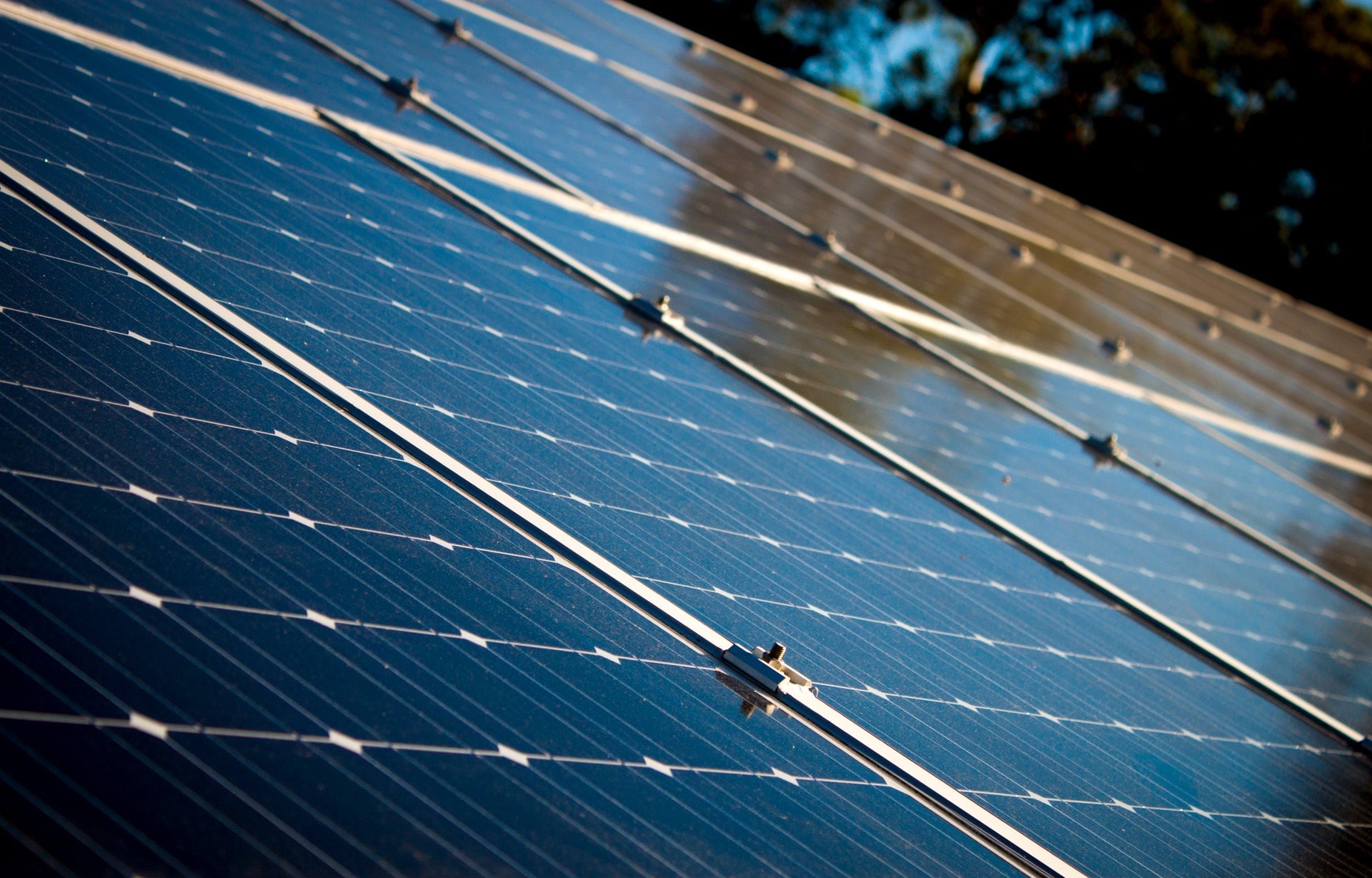
As for the proposal of installing solar panels across rooftops to serve as a rain shield: aside from the fact that such setups aren’t particularly visually pleasing either, urban residential areas in Taiwan are overly dense, and the northern region lacks sufficient sunlight. When solar panel efficiency is poor, manufacturing and installing them simply amounts to waste and pollution.
Why forgo cheap, cost-effective base electricity from major power plants to spend fortunes on solar panels whose production involves substantial pollution?
Perhaps some are merely driven by greed, hoping to sell electricity generated by their solar panels to Taipower at inflated feed-in tariffs while continuing to consume cheap grid power themselves (certain interest groups operate precisely this way—don’t give me any crap about being green).
Furthermore, air pollution and regular rainfall across central and northern Taiwan quickly soil the surface of solar panels, degrading their efficiency.
For residents in dense urban zones, installing solar panels is merely asking for trouble.
Over the long haul, between ongoing maintenance expenses and inevitable efficiency degradation, the capital invested would have yielded far better returns parked in steady dividend stocks.
As for the government’s ambitious push to plaster rooftops everywhere with solar panels, it boils down to squandering the hard-earned tax dollars of citizens to subsidize specific industries—a populist policy driven by non-professional motives, playing a reckless card just to boost election campaign slogans.
Support Independent Perspectives & In-Depth Insights
Every thoughtful analysis and candid critique comes from our dedication to truth and quality. We choose not to follow sensational algorithms or clickbait headlines.
Sustaining independent research requires reader support. Make a one-time or monthly contribution, securely processed by Google.
Payments secured by Google · Manage or cancel anytime in your Google Account



Comments