
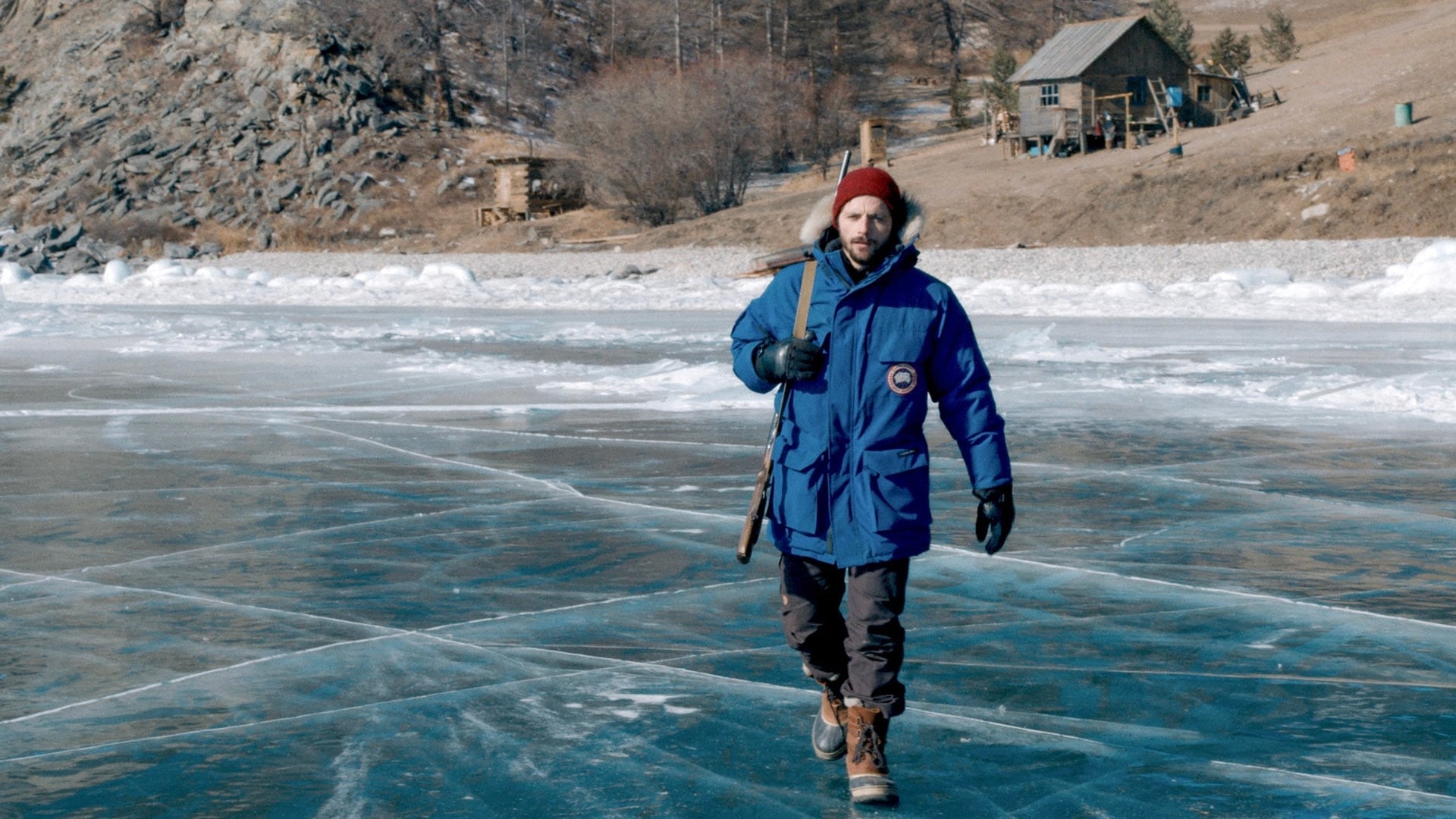
Movie summary: Unable to bear his busy yet dull daily life any longer, Teddy decides to spend the winter alone in seclusion by the shores of Lake Baikal in Siberia. After being overwhelmed by the dazzling beauty of nature on his first visit, he is soon confronted with the harsh cold, loneliness, and the difficulty of finding food—countless physical and psychological crises. One night, Teddy gets lost in the biting wind and nearly dies in the forest, but is fortunately saved by a Russian criminal. Gradually, a friendship that exists between just the two of them in this vast world begins to grow…
- Title: In the Forests of Siberia (French: Dans les forêts de Sibérie)
- Genre: Drama, natural scenery.
- Runtime: 99 minutes
- Year: 2016
- Starring: Raphaël Personnaz, Evgeniy Sidikhin, Anton Yakovlev.
- Director: Safy Nebbou
- Country of release: French Republic (France)
- Audio: Stereo
- IMDb rating: 7.0
- Recommendation level:
★★★★★★★
In 2010, the then 37-year-old French journalist Sylvain Tesson took a large box of books, cigars, and vodka and set off alone to the desolate forests of Siberia in Russia🇷🇺. This was a dream he had once promised himself—to live a life of seclusion in the forest before turning forty.
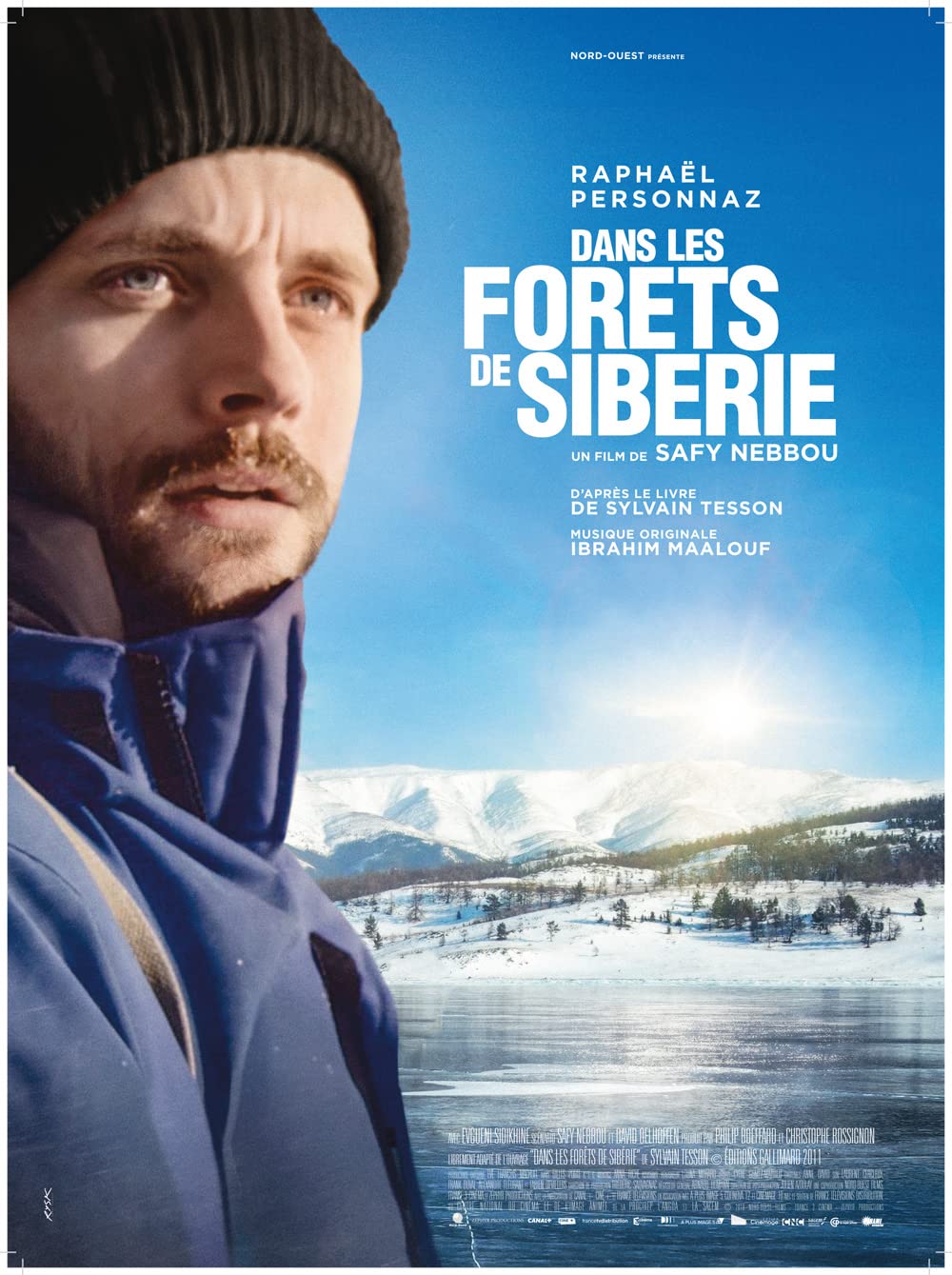
In the Forests of Siberia
During the six months Tesson lived alone in a small cabin by Lake Baikal, the nearest village was 120 kilometers away. He had no neighbors, only occasional visits from bears and blizzards. In the end, he returned to the eyes of the world with this diary-form account from the lonely wilderness.
The film adapted from this literary work is what we are discussing today, In the Forests of Siberia. Although it is a 2016 film, it may have been released on Chunghwa Telecom’s MOD to coincide with the Chinese edition of the original novel[1] published last year (2020).
The moment I saw the title in the MOD library, I immediately added it to my favorites. After all, it contained words like Lake Baikal (Lake Baikal, Russia), which I had originally planned to visit this year, as well as seclusion and forest—completely hitting my preferences.
Moreover, compared to many films that also use natural scenery as a selling point, the director and cinematographer of In the Forests of Siberia demonstrate far greater skill, presenting the cold landscapes of the far north to us viewers in a remarkably realistic and profound way. For those who also love frigid, snowy regions, this is a film I highly recommend.
The plot scenes can be roughly divided into: moving into the cabin (which can be bought for less than 100,000 New Taiwan dollars), enjoying Siberia’s extreme cold in the cabin, getting lost in a blizzard and nearly dying (he had only gone to the nearby shed to fetch firewood), meeting the mysterious old man, learning forest survival skills from the mysterious old man, growing close to the mysterious old man, the mysterious old man falling ill, being tricked by the mysterious old man into returning to the big city, and finally leaving.
As the character who occupies an enormous portion of the film—the mysterious old man, as I call him—although he possesses the survival skills to live alone in the forest for over a decade, the gradually revealed past shows that the reason the protagonist gets along so harmoniously with him is that they are so alike, both harboring a reality they are unwilling to face.
The mysterious old man does not appear as a hero descending to save the day, yet he genuinely saves the protagonist’s life. He does not seem to be a person of great evil, yet the crime he committed is also impossible to condone. Perhaps his solitude and death alone in the forest were, for the cowardly man, already a kind of release.
On the contrary, the protagonist’s ability to accompany him in the final moments of his life was, for the mysterious old man, almost a form of redemption—to be able to leave this world, which had once made him cynical, peacefully as a human being who possessed warmth.
The entire film In the Forests of Siberia is shot in the narrative style of a journal. There are not many mind-bending metaphors or veiled satire, but viewers can follow the protagonist through the film and experience the way of life in the far north of Lake Baikal. For those who love nature, it is a film worth watching.
Well, I should remind everyone that extreme regions are usually filmed either before or after the actual intended dates, when the climate is relatively stable, plus studio shooting. In other words, the so-called real environment we see is not the truly dangerous state of the location, so don’t watch this film and prepare yourself based on the survival methods shown in it.
References
- Original novel (Chinese edition): The Consolations of the Forest (original title: The Consolations of the Forest)
Support Independent Perspectives & In-Depth Insights
Every thoughtful analysis and candid critique comes from our dedication to truth and quality. We choose not to follow sensational algorithms or clickbait headlines.
Sustaining independent research requires reader support. Make a one-time or monthly contribution, securely processed by Google.
Payments secured by Google · Manage or cancel anytime in your Google Account



Comments