
Originally used internally by the National Aeronautics and Space Administration (NASA) and the United States Department of Homeland Security (DHS), a public version of the planetary collision simulation program “Impact: Earth!” has been developed by researchers from Imperial College London in the UK and Purdue University in the US. This allows interested users to “direct” an asteroid collision with Earth at their own pleasure.
The planetary impact simulator “Impact: Earth!” is the research culmination of scholars Gareth S. COLLINS, H. Jay MELOSH, and Robert A. MARCUS, published in their 2005 research paper “Earth Impact Effects Program: A Web-based computer program for calculating the regional environmental consequences of a meteoroid impact on Earth”. It analyzes various chain effects triggered when celestial bodies strike Earth. Based on a web application, the tool provides rapid calculation and analysis so that global users can promptly assess regional environmental impacts and decide on subsequent actions (or perhaps reflect on their final wishes?).
Currently, this program is publicly hosted on Purdue University’s dedicated webpage: “Impact: Earth!”. The landing page interface is shown below in Figure 1.
The user interface provides several customizable input parameters, including projectile Diameter, Density, impact Angle, Velocity, Target Type (such as sedimentary rock or deep ocean), and Distance from Impact.
Once the corresponding parameters are filled in, clicking the “Calculate Impact” button initiates the simulation to compute the asteroid’s catastrophic aftermath.
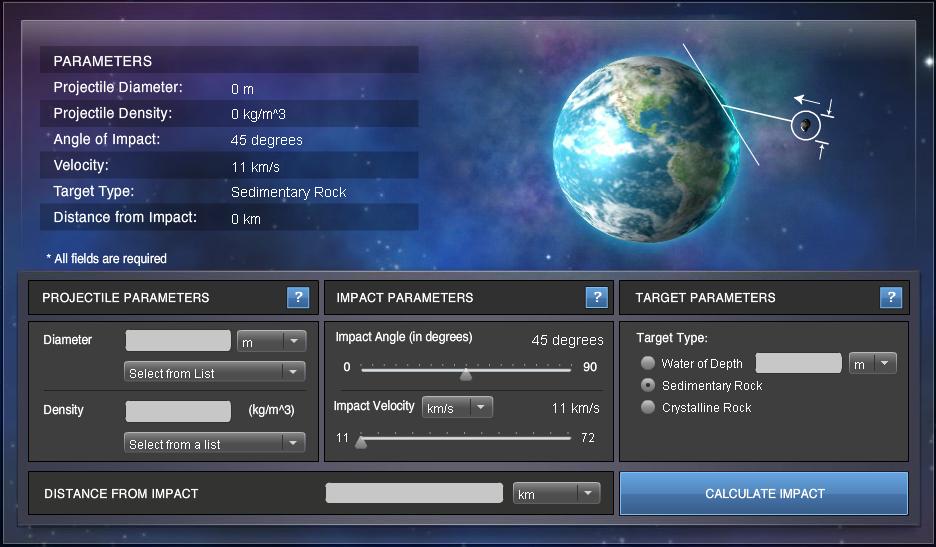 Figure 1: Official homepage interface of Impact: Earth!.
After enjoying the spectacular asteroid impact animation, an analytical report is displayed as shown in Figure 2. This report is designed primarily to break down the simulated consequences and hazards inflicted upon the Earth.
The scientific research program assesses nine core damage vectors: Atmospheric Entry, Energy, Global Damages, Crater, Ejecta, Thermal Radiation, Seismic Effects, Airblast, and Tsunami—giving you the full liberty to observe whichever way the Earth might face extinction.
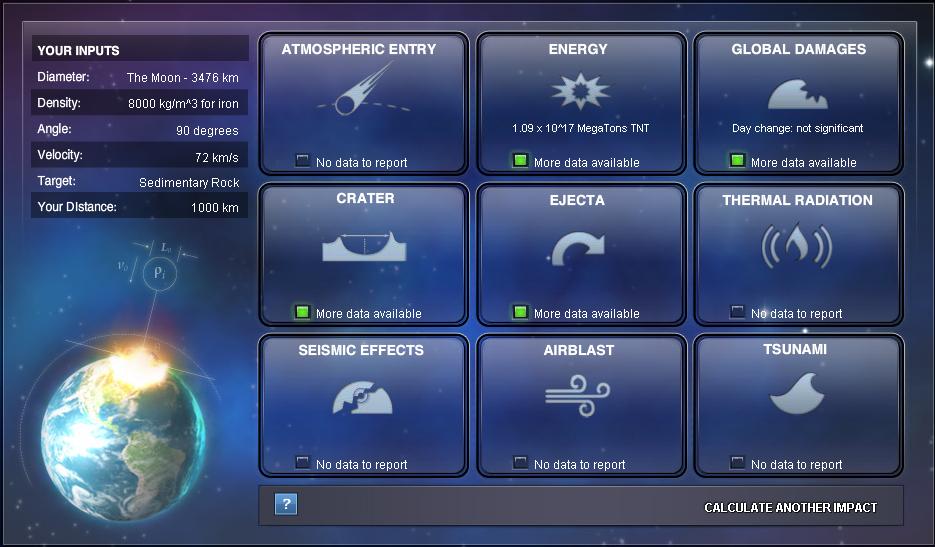 Figure 2: Nine core analytical categories of the impact report.
Referring to the detailed report screens, this impact simulator provides granular post-collision analyses. Users can click on any of the nine major categories to expand its detailed report (a green light beneath a category indicates that a comprehensive report is available).
If simply adjusting random parameters feels ungrounded, the simulator also provides pre-calibrated parameter sets for five historic asteroid impact events (Famous Craters). This allows users to observe catastrophic historical events that actually unfolded on Earth, encouraging thoughtful contemplation on how these ancient impacts shaped today’s ecology, civilization, and scientific understanding.
Figure 1: Official homepage interface of Impact: Earth!.
The five most renowned impact events in Earth’s history featured in the system include: Meteor Crater in the United States (Diameter: 40 m); the 1908 Tunguska Fireball in Siberia (60 m); Ries Crater in Germany (1,500 m); the Chesapeake Bay impact in the United States (2,300 m); and the largest known terrestrial impact event, Chicxulub in Mexico (17,500 m).
Among them, because the Tunguska explosion occurred in a remote region and transpired during a tumultuous pre-WWI era, only a handful of researchers ventured to conduct field investigations. Furthermore, across the decades and through successive war disruptions, surviving empirical data remains exceptionally scarce. The definitive cause of the explosion lacks indisputable consensus to this day, earning it a reputation as one of the world’s three great historical natural enigmas (the other two being China’s Wanggongchang Explosion and India’s Mohenjo-daro / Mound of the Dead disaster).
Additionally, a concise Glossary is accessible at the top of the homepage. How concise is it? It contains just five astronomical terms: Complex Crater, Ejecta, Final Crater, Simple Crater, and Transient Crater. Anyone intrigued is encouraged to visit the official website to explore the simulator firsthand.
Support Independent Perspectives & In-Depth Insights
Every thoughtful analysis and candid critique comes from our dedication to truth and quality. We choose not to follow sensational algorithms or clickbait headlines.
Sustaining independent research requires reader support. Make a one-time or monthly contribution, securely processed by Google.
Payments secured by Google · Manage or cancel anytime in your Google Account



Comments