
As winter draws to a close, are you dreaming of the crystal-clear turquoise waters of Okinawa? Whether it is your very first trip or a frequent island getaway, Okinawa remains one of the most budget-friendly international destinations accessible from Taiwan and across East Asia. Even at Japan’s southernmost border, the main island boasts sprawling shopping complexes where you can score competitive duty-free deals, alongside an endless array of exhilarating marine adventures throughout the sunny season.
Today, Mizuc will guide you through a step-by-step strategy for exploring Okinawa with a friend or partner on a modest budget, ensuring an unforgettable summer filled with lifelong memories.
Step 1: Snag Low-Cost Carrier (LCC) Flights!
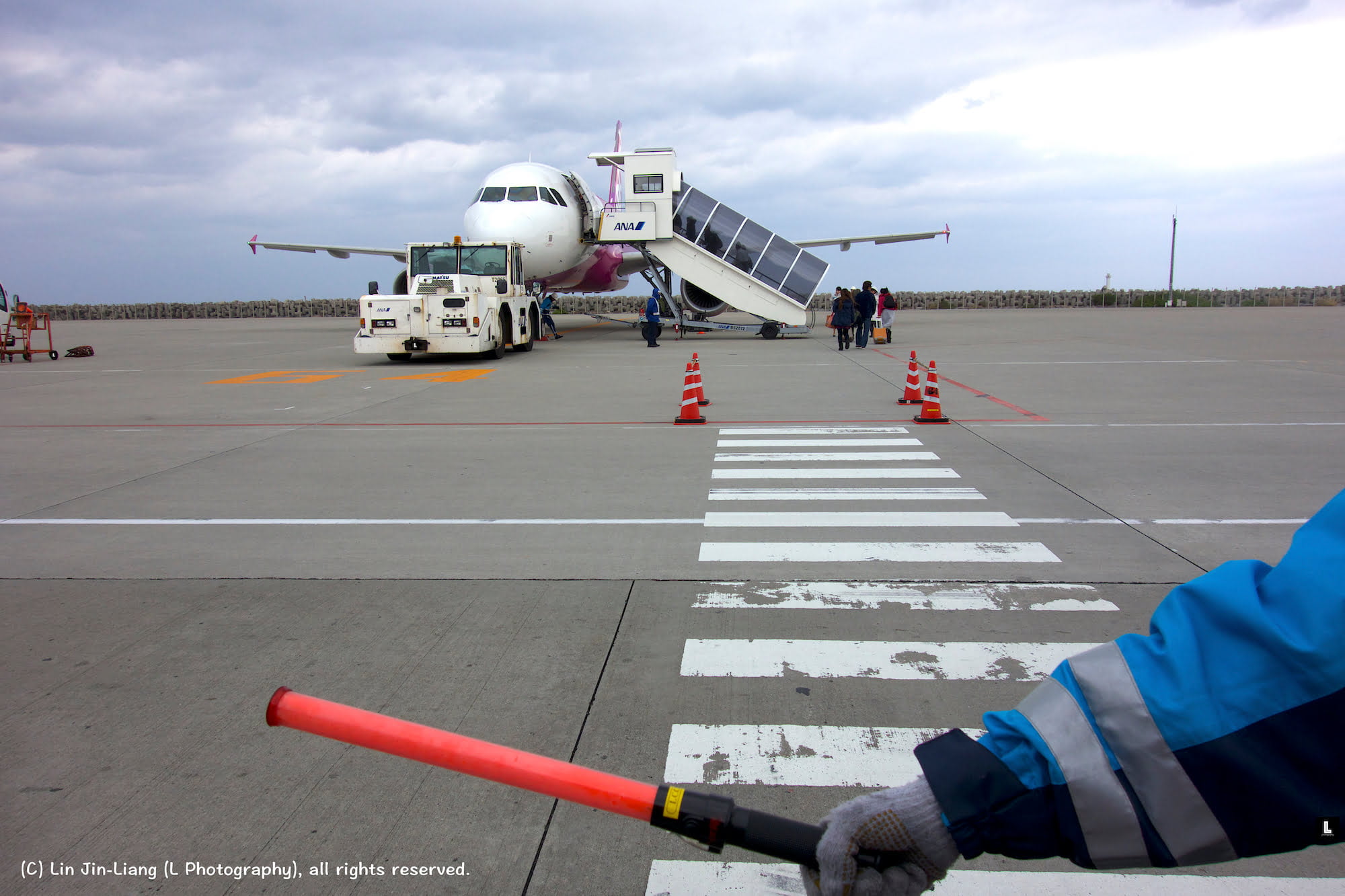
Thanks to the proliferation of low-cost carriers (LCCs) like Peach Aviation and Tigerair Taiwan, round-trip airfare has dropped dramatically compared to traditional domestic island hopping. Airfare represents the single largest variable cost; optimizing it is the foundation of budget travel.
To secure the lowest airfares, follow these practical rules:
- Plan Ahead: Low-cost airline sales launch several months in advance. Booking early yields the best base fares.
- Dodge Peak Windows: Avoid school summer vacations, national consecutive holidays, and cherry blossom peak weeks.
- Monitor Flash Sales: Subscribe to airline newsletters and follow social media updates for flash discount campaigns.
- Pack Light and Share Baggage: LCCs charge extra fees for checked baggage. Two travelers can easily save by sharing a single 20 kg checked bag while carrying light backpacks.
Step 2: Leverage Smart Hotel Booking Tools!
Accommodation is your second major expense. Okinawa offers diverse lodging options ranging from business hotels in downtown Naha and cozy guesthouses along Kokusai Dori to beachside resorts. When traveling as a pair, keep these tips in mind:
- Use Metasearch Engines: Compare real-time prices across major aggregators before booking.
- Apartment Hotels and Guesthouses: Choosing vacation rentals equipped with kitchenettes allows you to cook your own meals and drastically cut dining expenses.
- Reserve Early: High-demand budget lodgings sell out rapidly; reserving early secures favorable rates.
- Capitalize on Loyalty Rewards: Take advantage of platform membership tiers and reward points.
Step 3: Choose Your Transportation Wisely!
Public transportation outside downtown Naha is relatively sparse. When exploring central and northern Okinawa, your choice of transit directly influences both cost and flexibility:
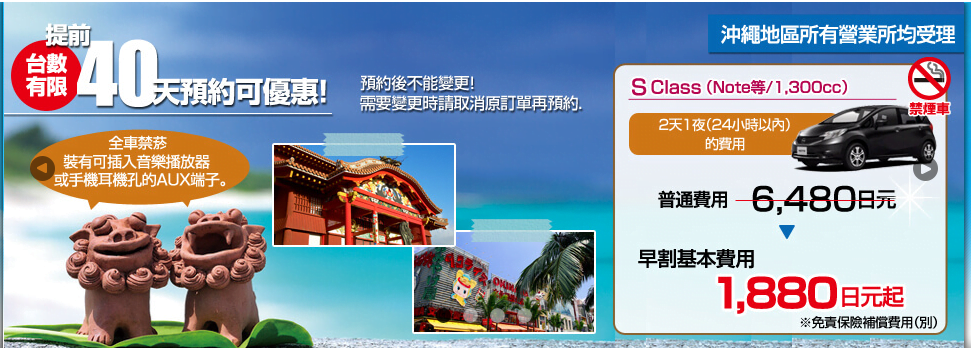
- Rental Car Self-Drive: The most highly recommended method for pairs. Splitting car rental fees and fuel between two people makes the per-person daily transit cost surprisingly low while granting total freedom to reach secluded scenic spots. (Remember to carry an international driving permit or a certified Japanese translation if required by your passport jurisdiction).
- Yui Rail (Okinawa Monorail): Ideal if your itinerary is confined entirely to Naha city. Purchase 1-day or 2-day passes for unlimited hops.
- Local Route Buses: Affordable but infrequent; suitable only for leisurely travelers without tight schedules.
- Taxis: Convenient but expensive; best reserved for brief late-night transfers or short urban hops.
If your itinerary includes Motobu, Onna Village, or Yanbaru, renting a car is virtually the only option that delivers both economic efficiency and convenience.
Step 4: Savor Delicious Meals Without Overspending!
Okinawan cuisine is an indispensable highlight of any visit, but dining out three times a day at tourist restaurants quickly inflates your budget. Here is how to eat well affordably:
- Local Diners (Shokudo) and Soba Shops: Experience authentic Okinawan cuisine—such as Okinawa Soba and Taco Rice—at modest local prices.
- Supermarket Delis: Japanese supermarket prepared food sections and bento counters offer outstanding freshness and quality, often marked down 20% to 50% in the evening.
- Self-Catering: If your lodging includes a kitchen, shop for fresh local produce, Agu pork, and seafood at local grocery stores.
- Lunch Sets: High-end restaurants frequently offer lunch menus at half the price of their evening dinner courses.
Step 5: Take Advantage of Free Attractions and Discount Passes!
Finally, sightseeing itself can be remarkably inexpensive. Okinawa is packed with gorgeous scenic destinations that charge zero admission:
- Free Public Beaches: Numerous world-class beaches are open to the public without admission fees, allowing self-guided snorkeling and swimming.
- Iconic Landmarks: Shurijo Castle Park (outer grounds), Naminoue Shrine, and Kokusai Dori are all free to visit.
- Combo Attraction Tickets: Look for tourist passes combining admissions to the Churaumi Aquarium and nearby theme parks.
- Independent Snorkeling: Bring your own snorkel mask and reef shoes to safe, monitored public beach coves rather than paying for costly commercial boat tours.
Quick Budget Summary for Two Travelers
| Step | Budget Focus | The 2-Person Advantage |
|---|---|---|
| 1. Flights | Catch LCC sales, dodge peak dates | Share one checked baggage allowance |
| 2. Lodging | Price comparison, apartment rentals | Split room rate in half |
| 3. Transit | Rent a car for self-drive | Split rental fee, insurance, and fuel |
| 4. Dining | Local shokudo, supermarket meals | Share dishes, cook shared grocery items |
| 5. Sightseeing | Free beaches, combo discount passes | Share coupon benefits and bundles |
Mizuc’s Budget Philosophy
The fundamental economic advantage of traveling as a pair is that virtually every fixed expense can be split. Whether it is sharing a checked bag, halving the hotel room rate, dividing rental car fuel costs, or ordering multiple dishes to sample, your per-capita expense drops immediately.
However, saving money is a means, not the end. The true essence of travel is creating lasting memories. Rather than counting every single yen, invest your saved funds into experiences that genuinely enrich your journey—perhaps an exquisite oceanfront dinner or an unforgettable guided reef dive. Save where it counts, and spend where it matters!
Reader Q&A
Q1: Is renting a car cheaper than taking the bus for two people?
Mizuc’s Analysis: Renting a car for two people is almost always more cost-effective. Okinawa’s car rental rates are very competitive. Once daily rental fees and gasoline are divided by two, the daily cost per person is often comparable to or lower than multiple bus fares, while saving hours wasted waiting for rural bus connections. Unless you plan to stay strictly within downtown Naha, self-driving is undoubtedly your best choice.
Q2: What season offers the greatest savings in Okinawa?
Mizuc’s Advice: The off-peak months—excluding summer holidays, Golden Week, and cherry blossom periods—offer the lowest flight and hotel prices. The winter season (December through February) is mild and relaxed; while ocean swimming is paused, it is perfect for sightseeing, café hopping, and shopping at rock-bottom prices. If water activities are your priority, late spring (May to early June) or early autumn (October) provide great weather, warm waters, and far fewer crowds than midsummer.
Support Independent Perspectives & In-Depth Insights
Every thoughtful analysis and candid critique comes from our dedication to truth and quality. We choose not to follow sensational algorithms or clickbait headlines.
Sustaining independent research requires reader support. Make a one-time or monthly contribution, securely processed by Google.
Payments secured by Google · Manage or cancel anytime in your Google Account



Comments