
Escaping the routines of daily life to enjoy the exotic flavors of foreign lands and countries requires not just a heart yearning for freedom, but also a wallet that is free.
When you decide to travel, the most important thing is to grasp your budget. Imagine you are sitting at home, excitedly planning this trip, but you don’t know how to start.
You want to go to a new city or country, but you don’t know the price level there, and you don’t know how to plan a budget, which makes you feel a bit overwhelmed.
Share your method of budgeting.
Search Price Levels Online in Advance
Fortunately, we live in a modern age with a developed internet and freely flowing information. As long as you open a computer, you can search for various kinds of living information about your destination online.
This includes the local mainstream shopping platforms you plan to use (such as Amazon in Japan), official attraction websites, supermarket flyers, and official restaurant websites. You can quickly understand the local prices for transportation, accommodation, food, and attractions, which lets you begin to grasp the expenses the entire trip should involve.
When looking at local spending amounts, you also need to understand the differences arising from different cultures. In some places, prices are expensive; in others, labor is expensive. In places where labor is cheap, Mizuc prefers to eat directly at restaurants. If going to a place where labor is expensive, Mizuc very much likes to go to traditional markets himself and compete with locals for bargains.
Actually, if you think something is expensive, it means local families face the same problem, but people still need to live, so there are always money-saving tricks to be found. The more you integrate into local life, the more you will discover.
Identify the Largest Expenses First
In fact, over the course of a trip, the largest expenses are nothing more than the airline ticket and what grade of hotel you plan to stay in. These costs are known in advance, so there is not much of a problem. As for the money spent on eating and drinking, using your own dietary habits plus local prices as a reference, you can actually estimate it about 80 to 90 percent accurately.
Based on Mizuc’s travel experience, the temporary large expenses that are more likely to be unexpected mostly occur when we have already arrived at the destination and suddenly discover that an overnight cruise route seems quite interesting, prompting a sudden impulse. Such boat tickets or high-speed JR train tickets are usually not cheap (if you want it cheaper, you can still choose a dormitory-style boat ticket), and may even be more expensive than your plane ticket.
Plan Your Budget by Looking at a Map
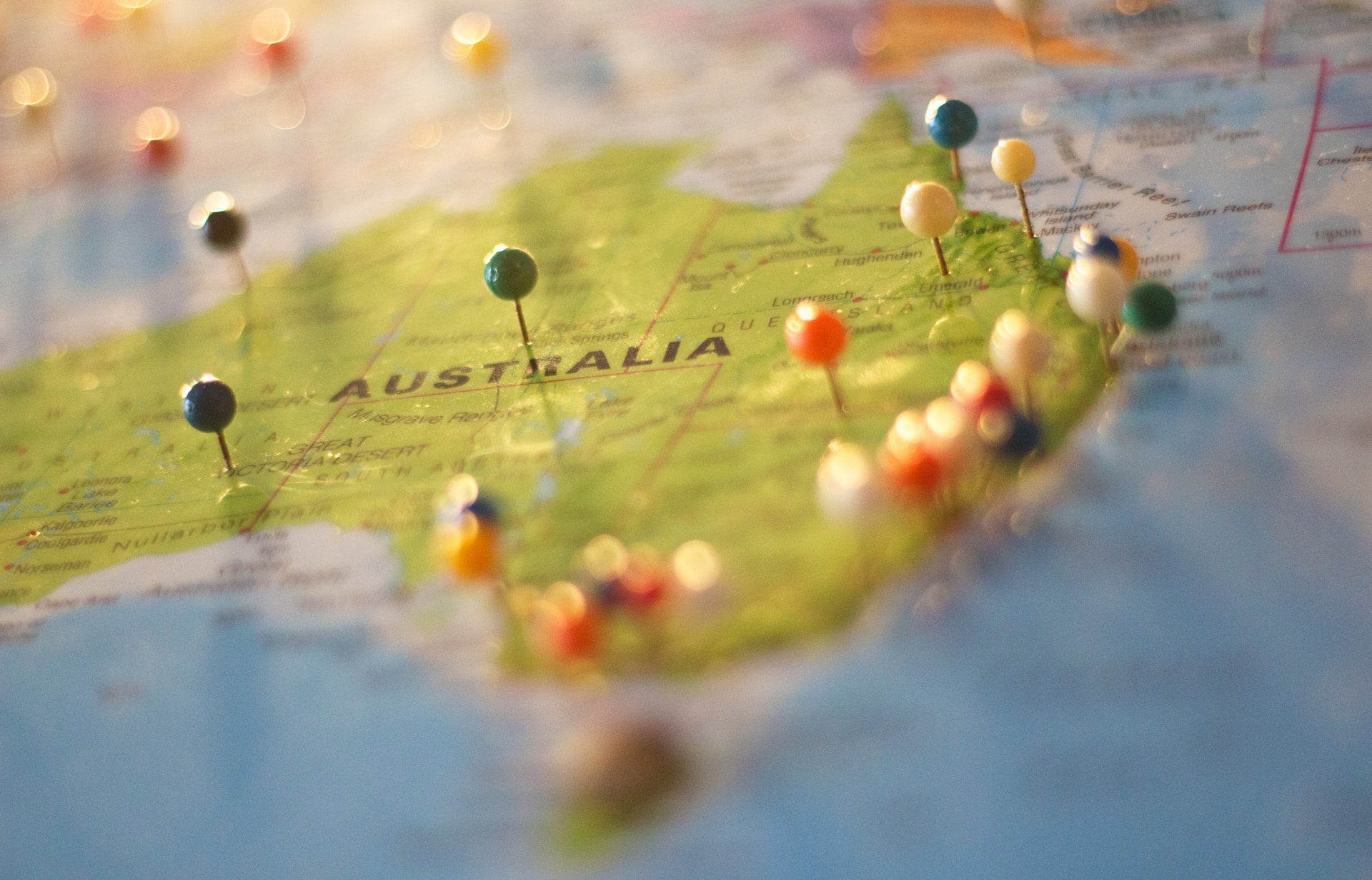
Once you understand the price distribution level of your destination, first prepare a map of the travel destination and plan where you want to go.
Then make a budget table, including as much as possible a list of the expenses you think there will be, including plane tickets, hotel accommodation[3], transportation, food, attraction tickets and gifts, luxury goods, and so on, and write down the corresponding budget amounts. This lets you clearly know roughly what level the entire trip’s expenses need to be kept at.
Consider Your Travel Style
If you want to travel more economically, you can start looking for some good deals, such as taking public transportation[1], or even transportation passes, or renting a car[2].
In addition, we can also watch for limited-time special offers, which can help you save quite a bit. Such offers can sometimes be found on official websites. Or right after getting off the plane, there will also be plenty of flyers available at the tourist service center. You can also ask hotel operators whether there are relevant promotional offers, all of which can help you save more.
As for the accommodation part, it is actually relatively simple. Decide on your destination, then on a hotel search platform, decide which one you want to stay at according to your budget.
Regarding accommodation, there is usually little chance of being forced to spend more locally, unless you, like me, enjoy starting to look for a hotel only after arriving. Of course, there may be some extra expenses inside the hotel (buying souvenirs, drinks, calling a car, etc.), which can actually be counted as snack expenses.
Prepare Early for Unpredictable Accidents
However, you also know that during a trip, there will always be some unpredictable things happening.
Therefore, when making your budget table, you need to leave some buffer amount to deal with any possible emergencies. You can also learn in advance how to use ATMs abroad with your bank cards and credit cards for cross-border cash withdrawals, so that when you run out of money and still need cash, you can withdraw it in an emergency.
In short, grasping a travel budget takes some effort, but it is an indispensable step in travel planning. As long as you carefully research the prices of your destination, make a budget table, consider your travel style, watch for special offers, and ensure you have enough budget, you can easily enjoy a wonderful trip.
References
- Transportation Guide: Airline tickets, trains, bus tickets, ferry shipping
- Self-Drive Car Rental: Analysis of car and discount booking information for global, Taiwan, and Japan travel inquiries
- Travel Accommodation Booking: Hotels, resorts, hotel rooms, homestays, youth hostels
Support Independent Perspectives & In-Depth Insights
Every thoughtful analysis and candid critique comes from our dedication to truth and quality. We choose not to follow sensational algorithms or clickbait headlines.
Sustaining independent research requires reader support. Make a one-time or monthly contribution, securely processed by Google.
Payments secured by Google · Manage or cancel anytime in your Google Account

Comments