
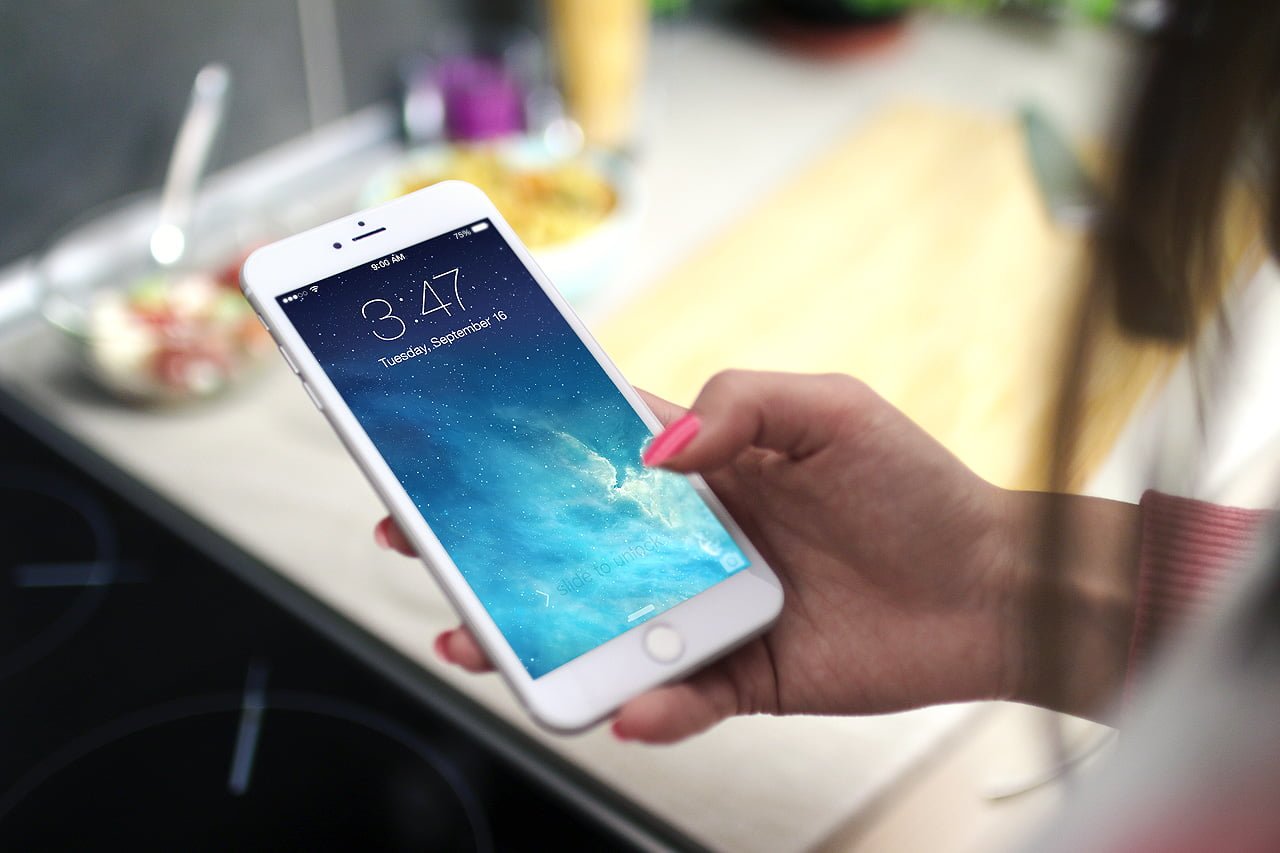
Boom. The phone used by the elders at home broke down again, and again, and again (no, that is not a stutter). To save money, they always prefer taking my hand-me-down phones. The one they were using was the ASUS phone I previously mentioned in my ASUS repair records!
While a phone without sound can still send text messages over the internet—hardly a dealbreaker in an era where everyone communicates via Facebook Messenger and LINE—it is simply not a sustainable solution.
Nowadays, most phone calls are either insurance telemarketers or scams anyway; if the traditional telephone market ever shrinks, one might genuinely worry about those callers losing their jobs (laughs).
That ASUS handset had already visited the repair center once while in my hands (both SIM card and mobile data failed), and after the elders took it over, it went back for service again (same data connectivity issue). So when another issue arose this time (audio output completely died), I decided not to bother repairing it even though it was still under warranty. Instead, I directly ordered the latest OPPO model (Hebe Tien is so charming in the ads).
Below is a guide on how to pick an appropriate mobile device for older family members, organized into the following sections:
- Phone Manufacturers Floating in a Turbulent Ocean
- Smartphone Trends Mapped by Price Tiers
- Price Range: NT$28,000 to NT$35,000
- Price Range: NT$15,000 to NT$25,000
- Price Range: NT$7,000 to NT$14,000
- Are Budget Phones Worth Considering?
- Buying a New Phone: Physical Retail Stores vs. Online Shopping
1. Phone Manufacturers Floating in a Turbulent Ocean
Browsing online shopping platforms for a new device brought quite a surprise. While there are still far too many confusing models, the market feels significantly tidier than in previous years.
Aside from HTC being forced to trim its product lineup and BenQ seemingly bowing out of the smartphone market, most manufacturers appear to have learned valuable lessons from Apple and Xiaomi. Flooding the market with countless near-identical models is completely pointless. (In the past, one couldn’t tell whether it was corporate culture or just keeping engineers busy, churning out products nobody bought that dragged down the entire company.)

Domestically alone, there are brands like HTC, ASUS, Acer, BenQ, GSmart (Gigabyte), and InFocus (Foxconn)—not counting discontinued brands—and even telecom operators jumped into the fray launching their own labels like TWM (Taiwan Mobile). That is without even mentioning mainland China’s swarm of over 50 smartphone makers fiercely competing for survival.
This clearly shows how lucrative the mobile handset business can be if all of them managed to stay afloat!
My previous experiences comparing countless smartphone specs felt like a sheer waste of life (and getting a defective unit was even more miserable).
Eventually, I threw in the towel and joined the Apple ecosystem, currently using an Apple iPhone SE 16GB.
The iPhone SE is a fantastic device! Personally, I believe the iPhone 5/5s/SE design was the final masterpiece Steve Jobs participated in designing. It feels incredible in the hand, a seamless blend of technology and industrial art, perfectly sized for everyday carry. Even if I need to upgrade down the road, I sincerely hope Apple keeps this design philosophy alive.
Since switching to Apple, decision paralysis has vanished. When you think about it, the simple act of choosing among endless minor variations consumes an enormous amount of precious time. Wouldn’t that time be better spent chatting with family or taking trips with friends?
Yet with so many mobile device brands offering phones ranging from NT$2,000 entry-level units up to NT$30,000–40,000 flagships, how should one choose?
When buying for parents, the criteria become even more delicate.
A phone that is too cheap breaks easily or crawls like a sloth, subjecting you to endless complaints. An overly expensive flagship is largely wasted on basic needs, sometimes even forcing you to lie about how much it cost. Making the wrong choice is ultimately far more wasteful than spending money wisely.
2. Smartphone Trends Mapped by Price Tiers
First, if budget is not a constraint, simply picking the flagship model from a leading brand is a foolproof choice. Your time and peace of mind (healthy eyes, quiet ears, and restful sleep) are worth far more than the NT$10,000–20,000 price gap.
Price Range: NT$28,000 to NT$35,000
Smartphones in this price tier represent each manufacturer’s flagship tier, meaning you won’t experience buyer’s remorse. Computing performance, screen sharpness, and features are fairly comparable across the board (as brands stake their reputations on these models).
Purchasing in this tier comes down to brand loyalty, as the day-to-day practical difference for elderly parents is minimal.
For example, Apple’s iPhone 7 Plus or 6s Plus both feature 5.5-inch screens where display font sizes can be easily adjusted*. For elderly parents whose vision is declining, this makes a wonderful option.
*On Apple iPhone devices, navigate to Settings > General > Accessibility to customize options such as Larger Text, Bold Text, and Increase Contrast, creating a comfortable reading environment.
Price Range: NT$15,000 to NT$25,000
This price tier offers plenty of room to maneuver, catering to users who want refined build quality without spending exorbitant sums on a handheld device.
Apple offers models like the 4.7-inch iPhone 7 and iPhone 6s, as well as the 4-inch iPhone SE. Once you grasp Apple’s intuitive design philosophy, transitioning across devices becomes second nature, making the learning curve much smoother than navigating fragmented Android interfaces.
One crucial caveat: while phones in this range boast crisp displays and resizable text, screen physical dimensions differ substantially. When inspecting a compact handset like the iPhone SE, it might look big enough at first glance. However, for prolonged daily reading, a larger screen is strongly recommended to minimize eye strain for older users.

Price Range: NT$7,000 to NT$14,000
This mid-range segment hosts an overwhelming variety of options. It is the primary battleground where 99% of mainstream brands compete, offering solid performance and modern features at balanced prices.
Options include domestic brands like ASUS with its ZenFone lineup or HTC’s ONE series. Among international brands, OPPO’s R series endorsed by Hebe Tien has gained strong popularity among peers. If photography is a priority, Sony’s Xperia X series stands out, often favored by amateur photographers as an everyday snapshot tool.
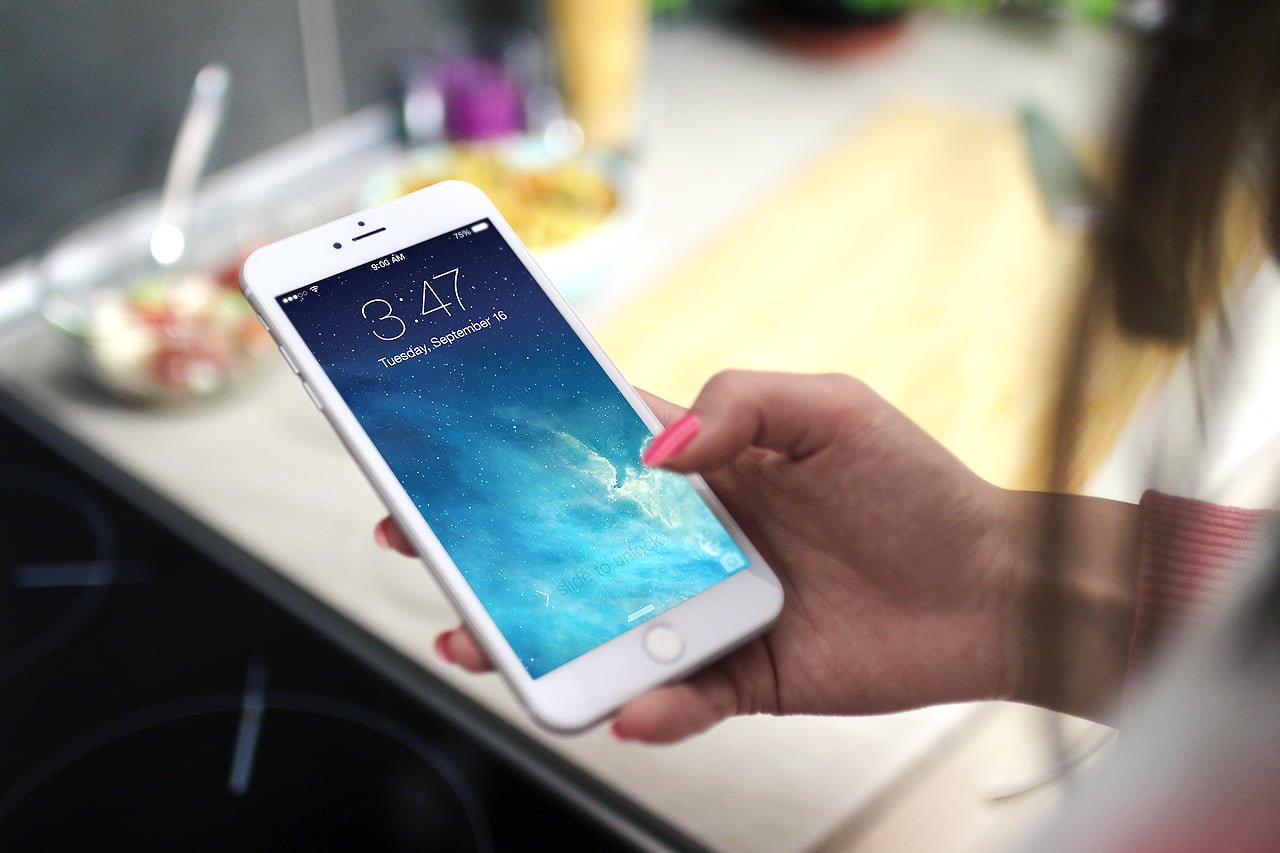
Each maker has distinct strengths, making the final pick tricky. If you want to support domestic Taiwan brands, ASUS and HTC are natural picks. If camera quality is paramount, Sony is bound to impress. And if you appreciate sleek styling backed by strong mainstream performance, OPPO’s R9s and R11s are well worth considering.
3. Are Budget Phones Worth Considering?
If you have a tight budget or simply refuse to spend much on mobile gadgets, there are choices in the NT$3,000 to NT$6,000 bracket. Because manufacturers must adhere to strict low-cost constraints, forget about advanced luxury features. Fundamentally, phones in this bracket perform almost identically.
At this level, the brand’s warranty and repair network matter far more than minor hardware spec differences. From this perspective, ASUS’s ZenFone 2 series holds an edge domestically (having repaired mine nearly three times for free under warranty, I can vouch for that accessibility), offering decent basic specs at entry-level pricing.
Other brands not detailed above include Samsung, LG, Huawei, Xiaomi, and even Sharp. Personally, I would hesitate to recommend these unless you are particularly fond of them, as entry-level imports run the risk of becoming orphaned without reliable local service or timely software updates (not to mention high-profile battery issues like the Note 7 recall).
Having reviewed the three major price tiers, notice a common thread?
Throughout this overview, the focus remained on price and screen usability, barely touching technical jargon or chipset specifications. That is because parents genuinely do not care about specs!
Rather than overwhelming them with cryptic acronyms and benchmark figures, what they truly need is a phone that is intuitive, with a clear display, legible text, and an attractive build. Nobody cares how many gigabytes of RAM or what processor core it packs—they just want to know: Does it work smoothly, and does it look good?

4. Buying a New Phone: Physical Retail Stores vs. Online Shopping
When deciding between brick-and-mortar storefronts and e-commerce platforms, if buying at a physical store, I generally stick to official telecom carrier outlets—such as Chunghwa Telecom service centers or Taiwan Mobile direct stores—primarily when bundling with a mobile contract discount.
However, if purchasing an unlocked standalone device, physical retail is rarely necessary (having had unpleasant experiences at independent phone shops in my younger days). I prefer checking major online platforms for ongoing promotions, bundled freebies, and platform discounts.
E-commerce giants frequently offer attractive promotional pricing, sparing you the hassle of haggling with pushy salespeople. Online orders often come with generous bundled accessories and a mandatory 7-day return inspection period, allowing parents to test the device firsthand to see if it suits them (since elderly relatives can sometimes be fussier than toddlers). Reliable online storefronts include:
- MOMO Shopping Mobile Store
- UDN Shopping Mobile Store
- Yahoo! Kimo Shopping Mobile Store
Support Independent Perspectives & In-Depth Insights
Every thoughtful analysis and candid critique comes from our dedication to truth and quality. We choose not to follow sensational algorithms or clickbait headlines.
Sustaining independent research requires reader support. Make a one-time or monthly contribution, securely processed by Google.
Payments secured by Google · Manage or cancel anytime in your Google Account



Comments