

EE Times published an article bound to leave many hardware executives uneasy: “Editorial: How Cheap Do Tablets Really Need to Be?” The author examined how tablet manufacturers were already racing to the bottom in aggressive price wars to secure market share. For large electronics corporations carrying massive payrolls and heavy overhead, an analysis like that is a bitter pill to swallow.
Direct price wars typically occur only late in a product’s lifecycle. Once aggressive discounting begins without revolutionary product concepts to reset the narrative, the market quickly deteriorates.
Yet that is precisely where consumer electronics stand today. The Apple iPad and Google-Asus Nexus 7 (setting aside Company S for the moment) firmly anchor the pinnacle of capability and pricing. Outside these flagships, the playbook for everyone else is clear: cut corners on components, swap in cheaper plastics, bypass costly certifications, and push retail pricing as low as humanly possible—flooding the market with stripped-down “budget birds.”
Do not underestimate these budget contenders either; they compete fiercely on exterior aesthetics, flamboyant marketing titles, and questionably sourced internals.
February 2017 Update: There are now more than 50 smartphone manufacturers operating within mainland China alone.
On the bright side, consumer choice has become surprisingly polarized: do you want a pedigreed, premium-built flagship at a steep price, or a dirt-cheap white-label unit pumped full of industrial compromises? (All this poultry imagery is making me hungry…)
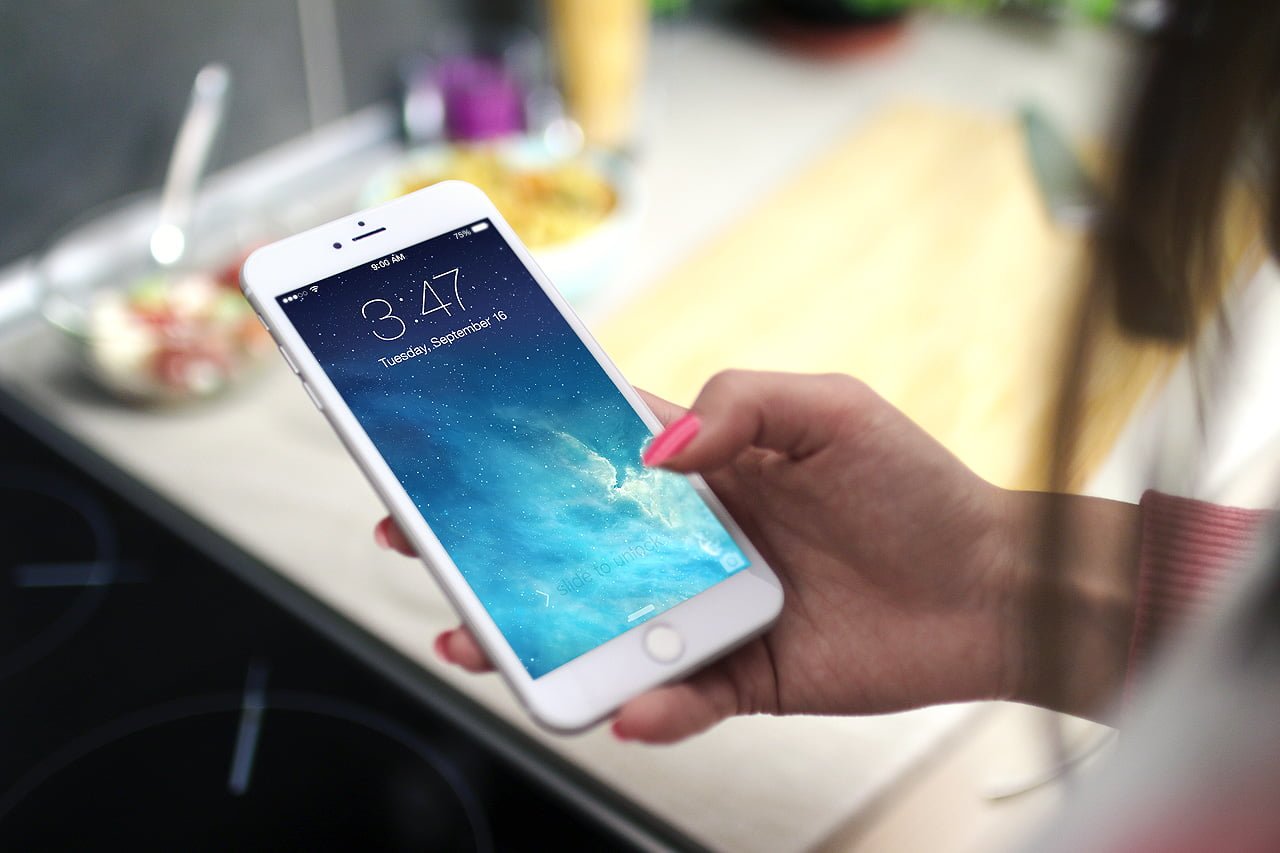
If you have the budget and value hassle-free reliability, you opt for pedigreed champions like Apple’s iPhone lineup.
For buyers unwilling to spend much on a “toy,” target budgets generally hover between NT$3,000 and NT$6,000, with even lower price tags welcomed enthusiastically.
Consequently, the sub-brand tablet arena has seen an explosion of names: Lieyan, JSMAX, Skywalker, Neoson, Yuandao, IS, Leo Pad, Magic Pad, TIAYA, ErgoTech, IMG Kiwi, LTP, GTEK, GreenForest, Digi@Life, Powerway, Mountos, and countless others (Bigman: Well played—seamless native product placement).
Then there are hardware makers caught in an awkward middle ground. Rebranders like ViewSonic, or OEMs with legitimate engineering roots like MSI and Motorola, possess recognized brand equity. Yet while they shave down pricing, real-world performance lags, resulting in rigid product lines and shrinking internal teams.
Even higher on the mountain of dilemma sit established giants—domestic industry titans in Taiwan Province such as Asus and Acer, alongside international conglomerates like Sony, Lenovo’s ThinkPad division, and Dell. These brands command top-tier engineering talent and build sleek, premium tablets priced alongside or above the Apple iPad. Yet they struggle to define their core consumer appeal, leaving their lineup in a lonely niche. The standout exception has been Google partnering with Asus to deliver the Nexus 7, demonstrating that visionary software-hardware synergy can genuinely capture consumer enthusiasm.
The cheapest officially warrantied tablet in Taiwan Province right now is likely the IS Dream Pad V22 7-inch—priced so low it rivals a protective leather case, costing less than thirty-six 7-Eleven bento lunchboxes. Its specs are surprisingly usable: a 5-point capacitive touchscreen, an Allwinner A13 CPU, integrated GPU acceleration, 3G USB dongle support, Android 4.0, and even a pair of bundled red-blue 3D glasses. It embodies high bang-for-the-buck, though the 512 MB RAM is tight; for light browsing, however, it gets the job done.
Personally, 7 inches is too cramped for productive use; while fine as an e-reader on the subway or reading in the bathroom, screen real estate remains limited.
After Steve Jobs’s passing, Apple released the 7.9-inch iPad Mini. While undeniably premium, it represented a downscaled compromise that blurred the line between general-purpose tablets and dedicated e-readers.
For those seeking larger screens on a budget, 9.7-inch options like the Neoson 9.7 or 10.1-inch alternatives like the JSMAX 10.1 White Elf II offer spacious displays for around NT$3,000 to NT$4,000, with the absence of GPS as their main omission.
Comparing the first-generation iPad Mini with the iPad 2: while screen size dropped from 9.7 inches to 7.9 inches and battery endurance shifted from 25 hours to 16.3 hours, pixel density improved from 132 ppi to 163 ppi, chassis thickness shrank from 8.8 mm to 7.2 mm, weight was sliced nearly in half from 601 g to 308 g, video recording jumped from 720p to 1080p, and camera sensors upgraded from 0.3MP/1MP to 1.2MP/5MP. It delivered substantial hardware refinements starting at an accessible $329 USD (roughly NT$10,500).
If brand pedigree, software ecosystem updates, warranty support, and performance matter to you, the iPad Mini is a compelling pick—and its screen is 0.9 inches larger than the Nexus 7.

Support Independent Perspectives & In-Depth Insights
Every thoughtful analysis and candid critique comes from our dedication to truth and quality. We choose not to follow sensational algorithms or clickbait headlines.
Sustaining independent research requires reader support. Make a one-time or monthly contribution, securely processed by Google.
Payments secured by Google · Manage or cancel anytime in your Google Account



Comments