

When backpacking independently, I rarely worry about where or what to eat. On one hand, I have little craving for dining out constantly; on the other, I have the basic cooking skills to prepare meals anywhere. Because of this, rather than scouting destination restaurant hot spots, my primary focus is actually on ingredient preservation and portability (an inner voice chimes in: that is basically the concept of an itinerant food cart!).
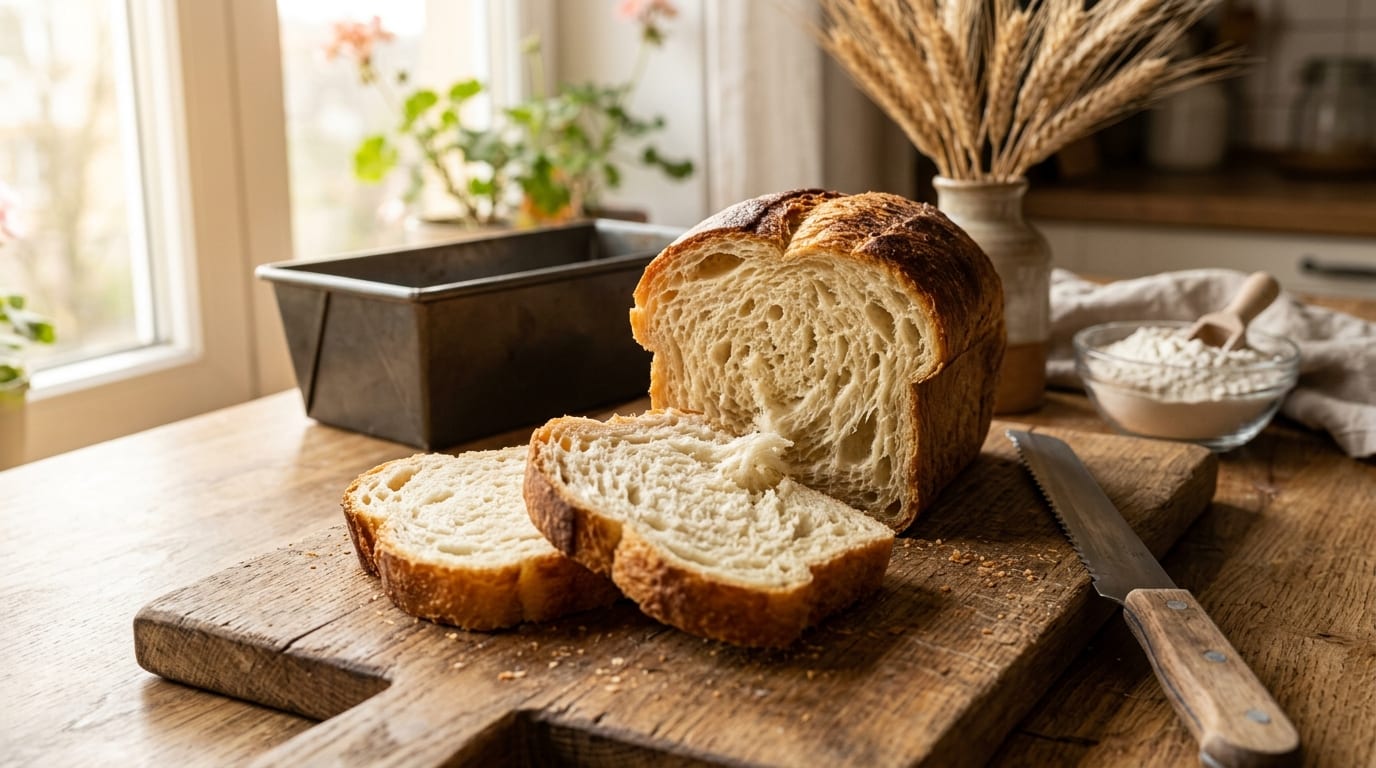
In the everyday family kitchen, sliced toast is a breakfast staple for many households. However, unless you have a large family to consume an entire loaf immediately upon buying it, most homes frequently face the annoyance of bread “growing mold or turning bone-dry in just two days”. At this juncture, knowing the proper storage method becomes essential.
Why You Should Never Store Toast in the Refrigerator
Many people instinctively stash leftover bread in the refrigerator chiller compartment, assuming the cool temperatures will extend its shelf life. In reality, this is the single biggest misconception when preserving bread!
Bread consists primarily of starch. When kept within the refrigerated temperature range of 2°C to 10°C, starch undergoes accelerated “staling and retrogradation”. At these temperatures, moisture inside the crumb migrates and evaporates rapidly, leaving the bread structure dry, stiff, coarse, and prone to crumbling. Even subsequent reheating can hardly restore its original soft texture.
The Golden Rule for Toast: Stash It Straight into the Freezer
Unless you are certain you will finish the loaf within the next day or two, your best option is to place the bread directly into the freezer compartment and freeze the slices solid.
Moving bread straight into the freezer (below -18°C) produces a completely different physical reaction. Sub-zero temperatures flash-freeze moisture instantly, halting starch retrogradation in its tracks and effectively “locking in” the bakery-fresh moisture and pillow-soft texture.
The Physical Magic of Trapped Moisture
When you pull a slice of frozen toast straight from the freezer into a hot toaster or oven, the microscopic ice crystals trapped inside the crumb instantly vaporize under high heat, creating a temporary layer of steam across the surface. This turns the bread’s exterior gorgeously golden and crispy while keeping the interior moist and tender.
In recent years, Japanese “steam toasters” retailing for hundreds of dollars have taken the appliance market by storm. Their core mechanism simply involves adding a few drops of water to create steam, achieving that coveted “crispy on the outside, fluffy on the inside” texture. You do not need to spend hefty sums on premium gadgets—simply reserving a dedicated corner in your freezer for bread slices accomplishes a remarkably comparable gourmet texture.
Reheating Tips for Perfect Frozen Toast
To achieve perfectly toasted bread every single time, follow these three practical steps:
- Portion and Seal: Avoid dumping the entire loaf bag into the freezer as-is. Wrap slices individually or in meal portions (using plastic cling wrap or airtight freezer bags) to keep them from absorbing refrigerator odors.
- Never Thaw in Advance: When ready to eat, place the frozen slices directly into the toaster, oven, or skillet. Do not allow them to defrost slowly at room temperature; thawing lets moisture bleed away and makes the bread soggy.
- Misting Water Layer: If you are using a standard budget toaster oven, lightly mist the frozen slice with a spritz of water before baking. The resulting toast will easily rival bread produced by an expensive luxury steam toaster!
Support Independent Perspectives & In-Depth Insights
Every thoughtful analysis and candid critique comes from our dedication to truth and quality. We choose not to follow sensational algorithms or clickbait headlines.
Sustaining independent research requires reader support. Make a one-time or monthly contribution, securely processed by Google.
Payments secured by Google · Manage or cancel anytime in your Google Account



Comments