
A while ago, a tabby stray cat would sneak into the warehouse to forage. After discovering it, I occasionally fed it dry food outside the warehouse’s back door, and later the cat would automatically run into the warehouse and sit waiting late at night. After a person and a cat interacted like this for over a month, one day I suddenly noticed little red rashes appearing on my ankles and immediately realized fleas must have started breeding.
Fleas — this is no joke. A pest even more troublesome than cockroaches and ants has entered the house. For this reason I began looking for ways to eliminate fleas. Summarizing everyone’s experience, it can be categorized into two major methods: chemical flea elimination and physical flea removal.
Flea and Cockroach Insecticide Selection
So-called chemical flea elimination is actually just using insecticides. The more common government-approved environmental pesticide ingredients are Cypermethrin and Permethrin. These types of insecticides have good lethality against arthropod insects and are common, easily obtainable synthetic pyrethroid insecticides on the market.
However, after long-term medical research, both of these chemicals have been proven to have endocrine-disrupting functions, affect the immune system, and even have carcinogenicity. Even though the human body has metabolic capacity, one must still be careful to avoid excessive contact. In the WHO’s hazard classification standards for insecticides, both belong to the moderately toxic category of chemicals.
There is also another insecticide on the market with “Etofenprox” as its main ingredient (refer to the product “Singapore VSAFE Water-Based Ecological Pest Control Liquid”), claimed to have less impact on the human body and be safer. Its main hazards are currently unclear, and relevant research data is scarce. It is only warned to have eye and skin irritation. Before more long-term research reports are available, it can only be regarded as a relatively safe product.
However, Etofenprox degrades rapidly under light, with an airborne half-life of 2.07 hours and a soil half-life of 7 to 45 days, making it a relatively controllable substance. Apart from being strongly toxic to aquatic organisms and bees, it is a selectable insecticide product on the market (but also relatively more expensive), and is therefore also used by manufacturers as a dedicated flea medicine for cats and dogs.
If there are cats and dogs at home, or stray cats sneak into the house, buying a long-acting spot-on insecticide (such as Frontline) will have a very good effect, because when the animal moves around, fleas will automatically jump onto them, achieving a passive pest-control effect.
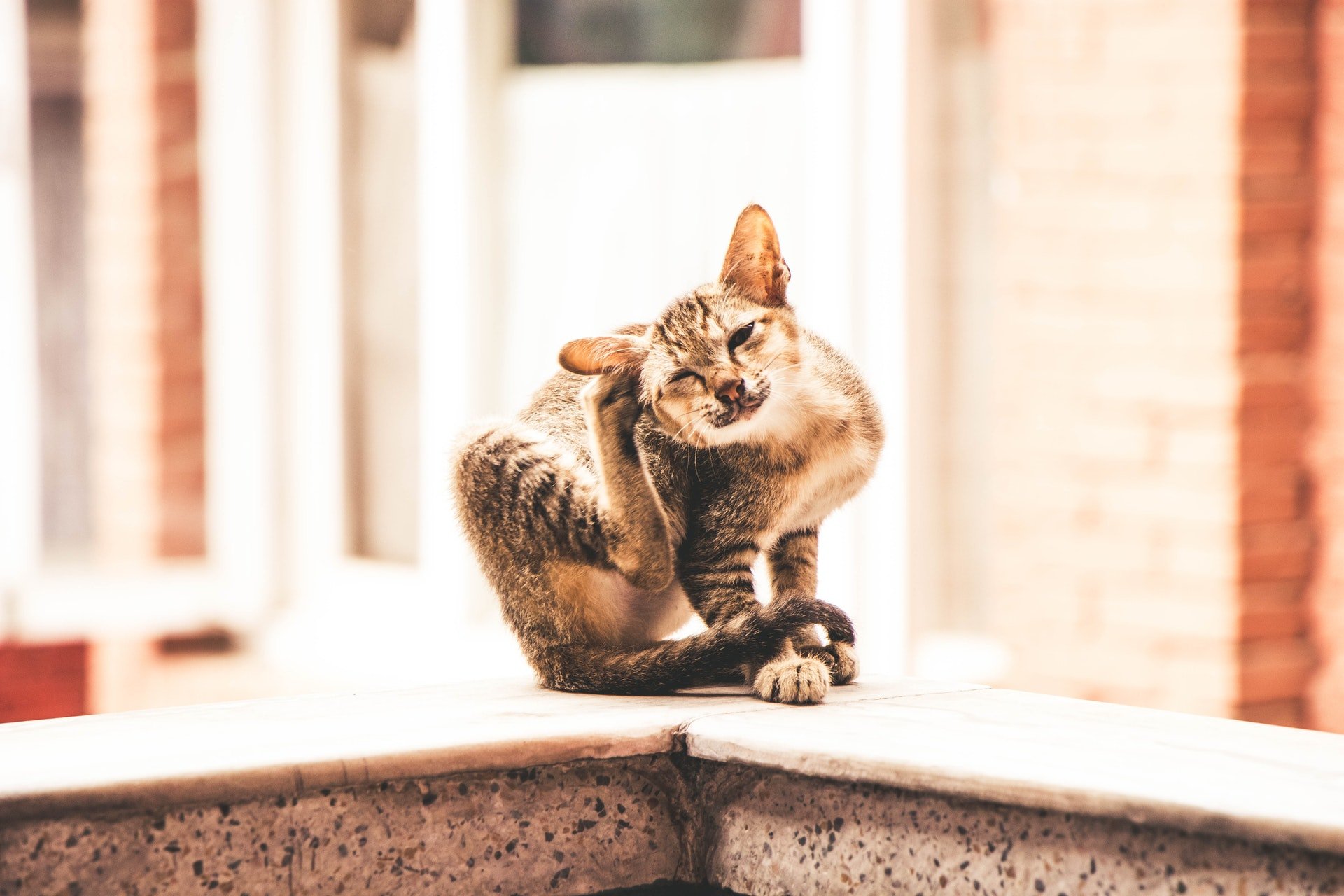
But after our home discovered a large number of fleas at the turn of spring and summer, we sealed off the stray cat’s entry passage, so we could not use this relatively simple method. However, Frontline’s ingredient “Fipronil” has also been proven toxic to the human body and may even cause symptoms of goiter, so care is still needed when using it.
Relatively Safe Pest Control Methods
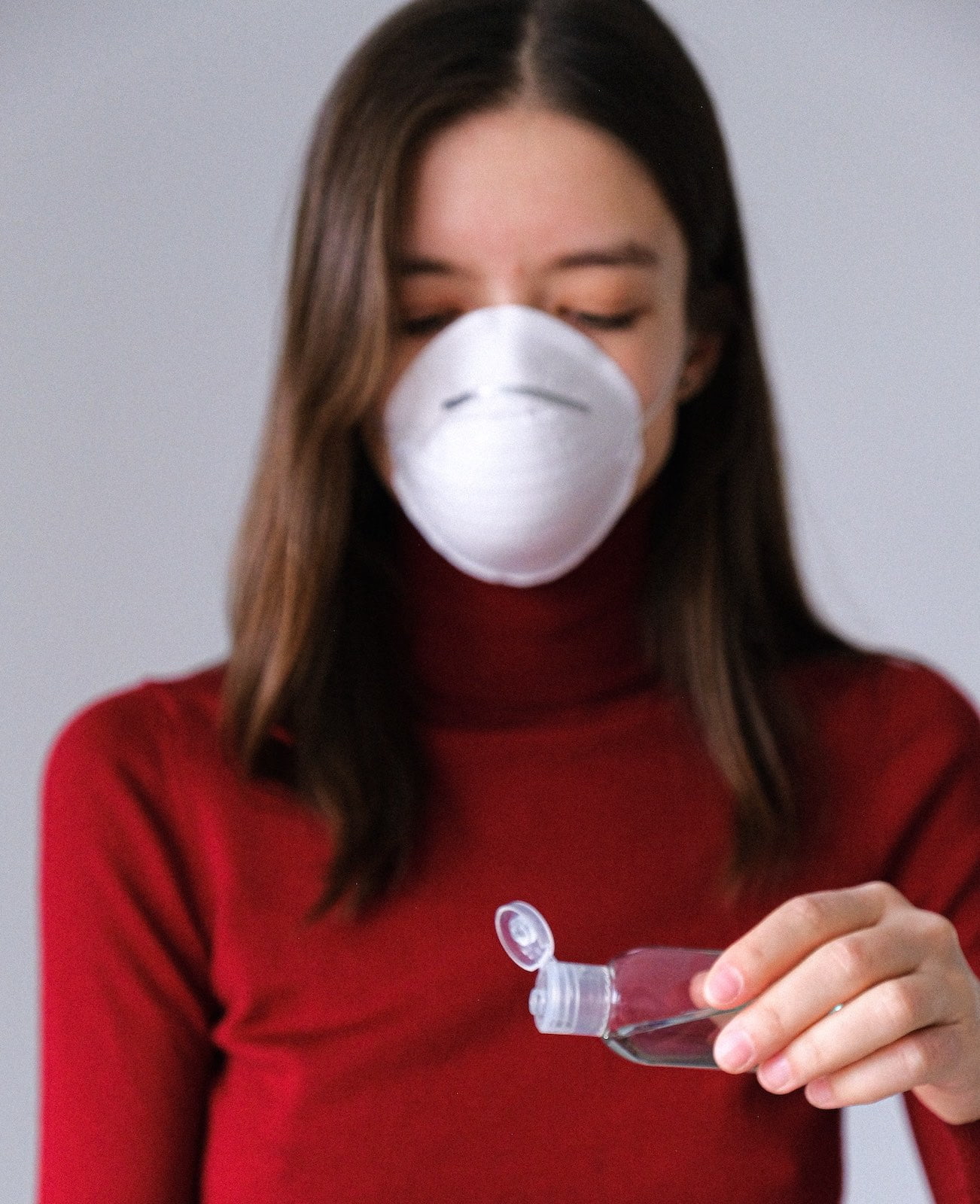
In the end, we still chose to use a one-time smoke-type insecticide (most ingredients are low-dose Cypermethrin) in enclosed spaces (such as the living room and bedroom), and used “boric acid,” “bleach,” and a “vacuum cleaner” in a cross-application in the more open warehouse.
Smoke-type insecticides were originally the specialty of professional pest control companies (using expensive smoke-generating devices). Since manufacturers invented self-fumigating canisters, this product has been the most efficient insecticide on the consumer market. As long as you follow the instruction manual step by step, you can eliminate all household pests in one go. I personally highly recommend it for residential environments where entrances and gaps can be easily sealed.
Boric acid (molecular formula: H3BO3) is an inorganic acid widely used in products around daily life, including disinfection, pest control, and preservation. For example, some ointments and eye drops use boric acid as a preservative, and it can even be used to treat fungal infections and burns. It is also an ingredient currently often used in cockroach and ant medicines yet relatively less harmful to the human body, and a whole box can be bought at a pharmacy.
Boric acid has good lethal effects on arthropods such as cockroaches, ants, and fleas, affecting insect metabolism and corroding the hard exoskeleton. Even the U.S. Environmental Protection Agency has used it as an insecticide to control pests. Therefore, just mopping the floor with boric acid water is said to have a good pest-control effect. Even dry boric acid has the same effect and can be sprinkled directly on the floor. When insects walk over it, they pick up the boric acid powder, which naturally dehydrates the insect’s body and makes it seek water outdoors, avoiding insects dying in indoor corners that are hard to clean.
As for the use of bleach, its main purpose is to disinfect the floor and drown insect eggs. In addition, fleas are also quite afraid of water, so it is used in combination. In fact, after regularly splashing bleach these past few days, I found that the cockroaches that would appear at this time in previous years have become very rare — an unexpected gain.
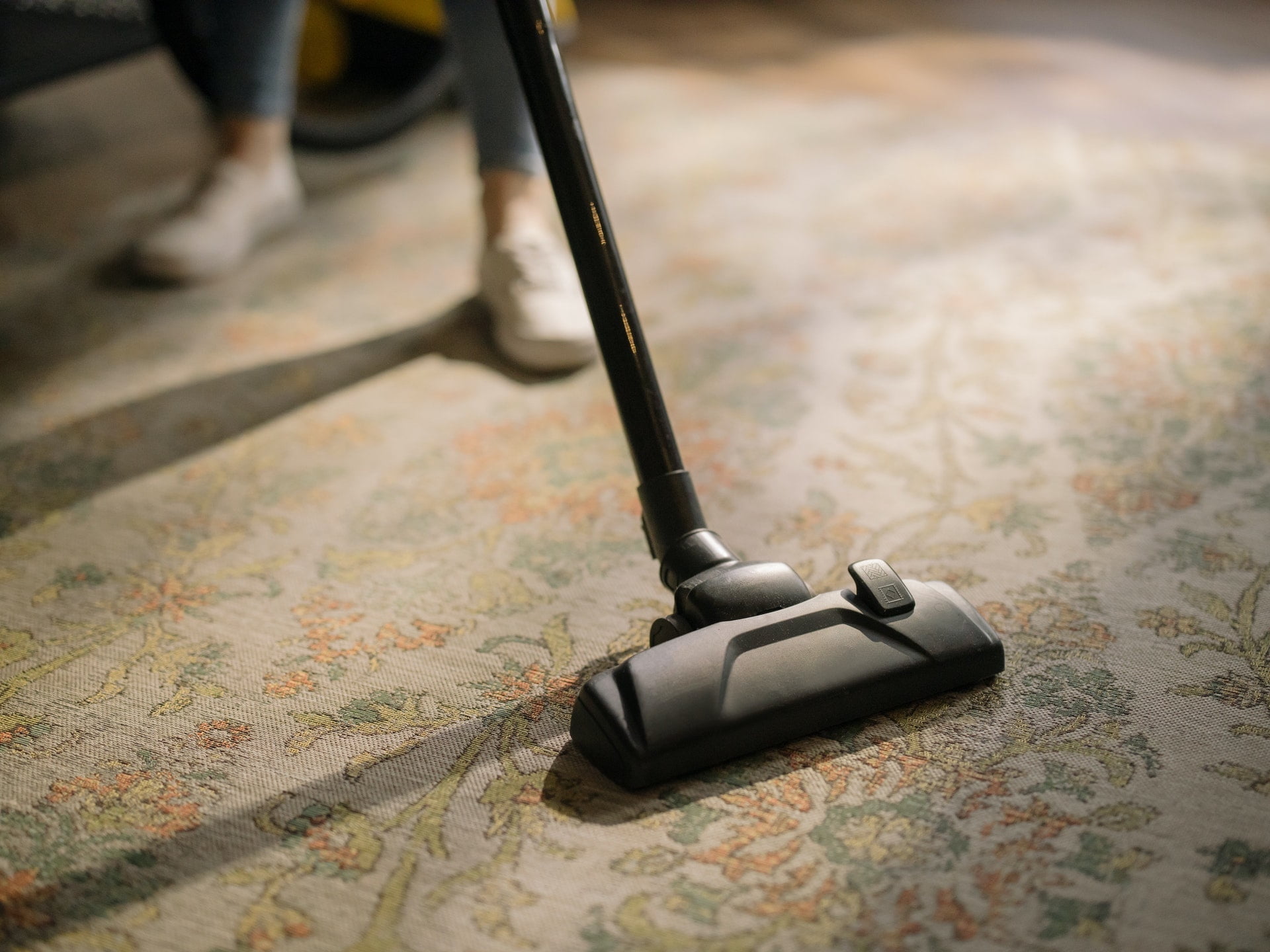
As mentioned above, the vacuum cleaner is the best method of physical pest control. Whether fleas or their eggs, they can be forcefully sucked into the paper bag. In addition to the boric acid and bleach
Support Independent Perspectives & In-Depth Insights
Every thoughtful analysis and candid critique comes from our dedication to truth and quality. We choose not to follow sensational algorithms or clickbait headlines.
Sustaining independent research requires reader support. Make a one-time or monthly contribution, securely processed by Google.
Payments secured by Google · Manage or cancel anytime in your Google Account




Comments