
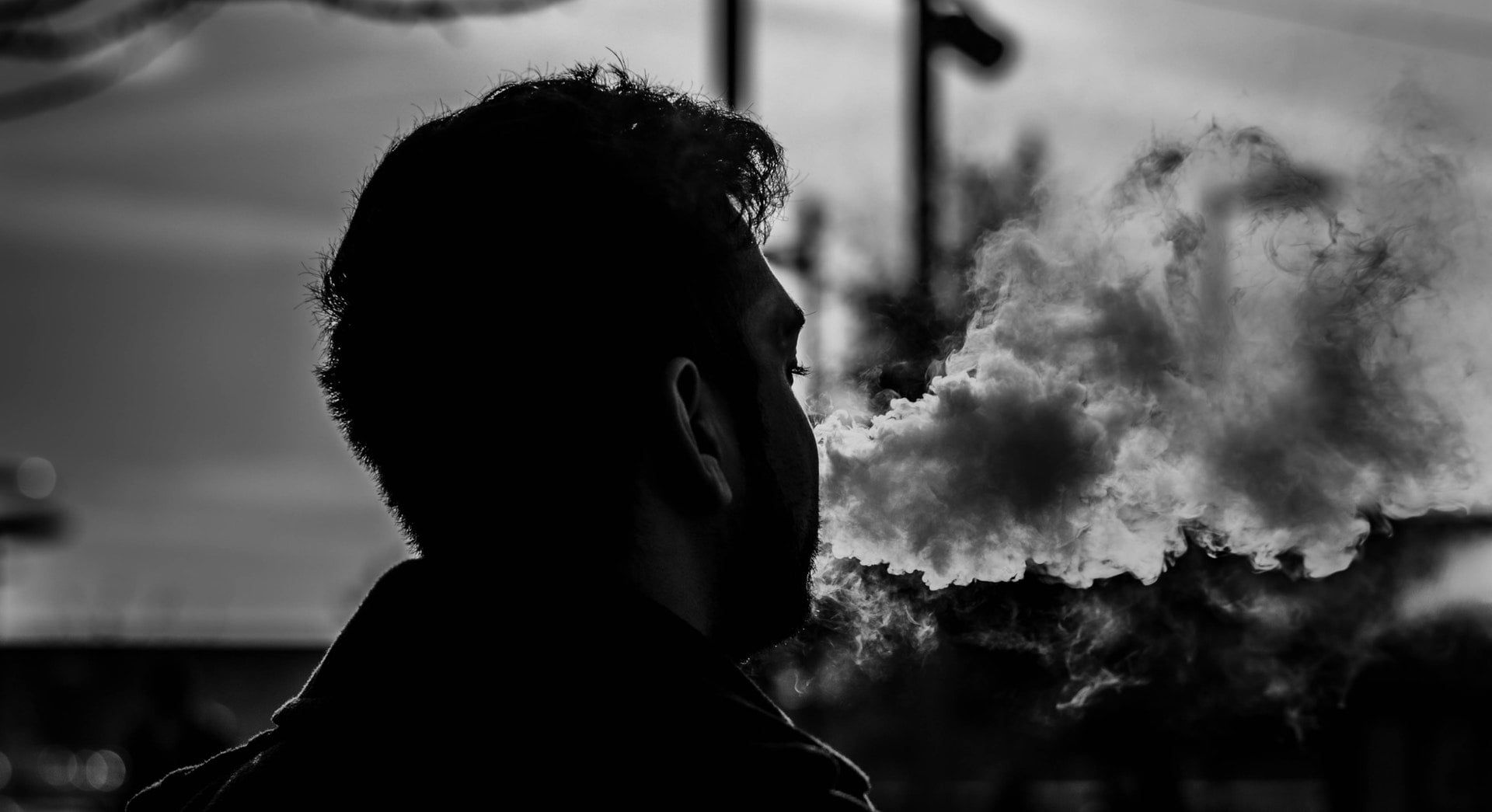
Given our nation’s energy transition debates and reliance on coal-fired power generation, citizens often feel powerless against air pollution policies. Nevertheless, we can take proactive steps in daily life to reduce carbon emissions and minimize personal exposure to fine particulate matter (PM2.5) to protect our respiratory health.
According to guidelines from the Health Promotion Administration (HPA) of the Ministry of Health and Welfare, the public should reduce domestic combustion behaviors, minimize anthropogenic PM2.5 generation, and cut unnecessary energy consumption. The HPA proposes six actionable habits across food, clothing, housing, transportation, education, and recreation:
- Food (Diet): Opt for boiling and steaming over deep-frying and stir-frying to minimize cooking fumes. Always turn on range hoods while cooking to avoid inhaling airborne particulates.
- Clothing: Choose natural fibers and eco-friendly textiles such as organic cotton, reducing reliance on petroleum-derived synthetic fabrics.
- Housing (Home): Enhance indoor greening, conserve electricity, use non-toxic eco-friendly building materials and stainless-steel cookware, and strictly maintain smoke-free indoor and balcony environments.
- Transportation: Prioritize public transit, cycling, and walking to curb vehicle exhaust and fossil fuel consumption.
- Education: Stay informed about air pollution indexes and protective measures (such as wearing proper filtration masks outdoors). Minimize paper waste by adopting digital formats like e-readers.
- Recreation: Join environmental conservation events and rethink traditional ritual practices—such as centralizing or reducing incense and ghost money burning during temple festivities, or opting for eco-friendly electronic firecrackers.
Additionally, public health experts outline three personal defense strategies during poor air quality alerts:
- Wear appropriate particulate-filtering masks outdoors during high pollution advisories. Upon returning home, wash hands, rinse your face, clean nasal passages, and close windows properly to restrict outdoor PM2.5 infiltration.
- Limit outdoor physical exertion or reschedule workouts to avoid peak traffic hours, especially for elderly individuals, young children, and those with chronic respiratory conditions.
- Maintain balanced lifestyle habits, utilize public transportation, cycle, walk, and exercise moderately to sustain strong immune resilience.
When adverse atmospheric dispersion leads to elevated PM2.5 concentrations causing eye irritation, coughing, or sore throat, reduce strenuous outdoor activities. Vulnerable groups—including children, seniors, and patients with cardiovascular or pulmonary illnesses—should stay indoors. Individuals with asthma should stay vigilant and keep emergency inhalers readily accessible.
To verify real-time local air quality, check the Environmental Protection Administration’s “Air Quality Monitoring Network” portal, which provides hourly monitoring station data across all administrative regions nationwide.
Related Reading: What Does “PM” (PM2.5, PM10, PM50) Mean in Air Pollution?
Support Independent Perspectives & In-Depth Insights
Every thoughtful analysis and candid critique comes from our dedication to truth and quality. We choose not to follow sensational algorithms or clickbait headlines.
Sustaining independent research requires reader support. Make a one-time or monthly contribution, securely processed by Google.
Payments secured by Google · Manage or cancel anytime in your Google Account



Comments