
During the process of redesigning our studio’s new kitchen, the single most liberating decision was finally decommissioning and retiring the old RO (reverse osmosis) water filtration system and its dedicated hot-and-warm water dispenser, which had plagued us for years.
That traditional RO setup was truly unbearable: the base consisted of five or six hefty filter cartridges, an external booster pump, and a bulky pressurized water storage tank, with tubing tangled like a spiderweb. The iron support frame beneath the humid under-sink cabinet had rusted and degraded over the years, harboring dirt and grime. Every few months when replacing cartridges, unscrewing the housings would splash water everywhere, soaking the countertop and wooden cabinetry and severely degrading the lifespan of the kitchen fixtures.
Not to mention the staggering markups of brick-and-mortar water filtration shops: having a technician visit your home to replace a basic first-stage 5-micron PP sediment filter cost NT$300, whereas buying an identical filter cartridge from reputable major brands online to screw in yourself cost roughly NT$30—a tenfold markup!
Having switched the new kitchen to a streamlined, direct-drinking 3M filtration system, there was clearly no longer any reason to keep the old water boiler. Yet that brought about a fresh question: In our daily workspace and home life, how can we solve our need for boiling water and enjoying warm drinking water in an elegant, safe, and cost-effective manner?
In-Depth Comparison: 3 Major Water Boiling and Drinking Solutions
In modern households and creative studios, the three most common ways to boil and drink water each offer distinct conveniences alongside unavoidable drawbacks:
| Aspect | Traditional Electric Water Dispenser (Thermo Pot) | Gas Stove + Whistling Stainless Steel Kettle | Electric Kettle + Vacuum Carafe / Pitcher |
|---|---|---|---|
| Instant Convenience | ⭐⭐⭐⭐⭐ Hot and warm water on tap immediately | ⭐ Requires lighting gas and watching the flame for 15+ minutes | ⭐⭐⭐⭐ Boils in 3–5 minutes; brew as needed |
| Power & Energy Costs | ❌ Extremely high (heats and reheats 24/7) | Moderate (consumes natural gas / LPG) | ⭕ Extremely low (auto shut-off upon boiling) |
| Cleaning & Scale Maintenance | ❌ Extremely difficult (inaccessible internal pipes & dead zones) | Moderate (wide opening, but exterior collects grease fumes) | ⭕ Extremely easy (wide-mouth stainless interior; clean in one soak) |
| Home Safety | Moderate (requires dry-burn protection & child safety locks) | ❌ Low (forgetting to turn off flame poses fire hazards) | ⭕ Extremely high (steam sensor auto-cutoff & boil-dry protection) |
| Countertop Space | ❌ Bulky footprint; requires dedicated power outlet & cords | ⭕ Frees up outlets, but permanently hogs a gas stove burner | ⭕ Compact and lightweight; stores inside cabinets when unused |
Why Are Traditional “Electric Water Dispensers” Being Phased Out?
The primary selling point of traditional plug-in hot water dispensers (or electric thermo pots) is “instant hot water at the press of a button.” Yet behind this ultimate convenience lie serious trade-offs:
1. Shocking “Standby Vampire Power”
To keep internal water temperatures constantly between 90°C and 95°C, the heating element restarts automatically whenever the temperature dips even slightly. This 24/7 reheating cycle accumulates hundreds of dollars in standby electricity bills every month—over years, consuming more total kilowatt-hours than an inverter refrigerator!
2. “Repeatedly Boiled Water” Concerns and Cleaning Dead Zones
Water that is continuously brought to a boil day after day concentrates dissolved minerals into thick calcium carbonate limescale. Worse yet are the labyrinthine internal silicone hoses and dispenser valves. Average users cannot disassemble and scrub these internal conduits, meaning they gradually accumulate yellow scale and even slimy microbial biofilms over time—raising serious hygiene concerns.
Why Is “Stovetop Boiling” No Longer the Top Choice?
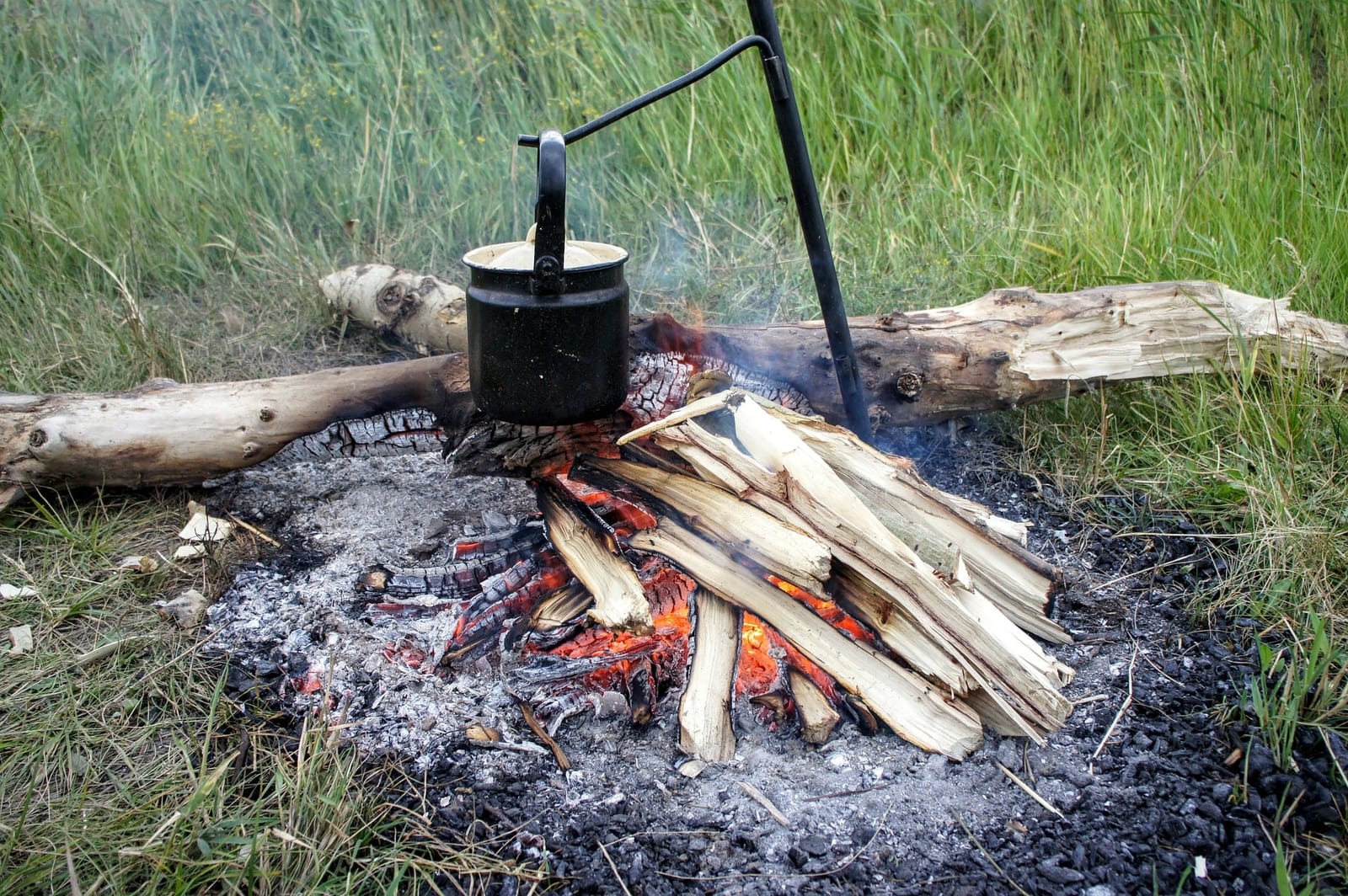
While boiling water on a gas stove is inexpensive and requires no electricity, it presents distinct disadvantages in today’s fast-paced environment:
- Substantial Safety Hazards: Boiling a large kettle of water typically takes 10 to 15 minutes. Stepping away to answer an email or take a phone call can lead to forgetting the stove entirely, causing melted kettles, smoke-filled rooms, or devastating kitchen fires.
- Low Thermal Efficiency and Sweltering Heat: With open flames, a substantial portion of thermal energy spills around the edges of the kettle directly into ambient air, yielding an actual thermal efficiency of only 40% to 50%. Boiling water over an open flame during scorching summer days turns the kitchen into a sauna.
The Game-Changing Advantages of Fast Electric Kettles
In contrast, the high-wattage electric kettle serves as the optimal minimalist kitchen solution through simple, direct, and efficient electrothermal conversion:
- Maximum Time-Saving & Thermal Efficiency:
Electric kettles typically operate at 1000W to 1200W, with heating elements directly bonded beneath the stainless steel base. Bringing a full 1.5 to 1.7-liter kettle of room-temperature water to a rolling boil usually takes just 3 to 5 minutes, achieving thermal efficiency of over 90%. - Zero Standby Power: Auto Shut-Off Post Boil:
Featuring bimetallic steam-sensing thermostats, electric kettles trip with a crisp click the moment steam rises, instantly cutting off all electrical current. There is zero recurring standby heating expense—you boil only what you need. - Completely Transparent & Effortless Hygiene:
Zero hidden tubing! Open the lid, and you find a seamless, food-grade 304 or 316 stainless steel interior chamber. If white mineral scale appears over time, simply add a spoonful of food-grade citric acid or white vinegar, boil with water, and let sit for 30 minutes. A quick rinse leaves it shining like brand new.
Solving Hot Water Anxiety: The “Electricity-Free Insulation Golden Triangle”
The most common question from people accustomed to electric water dispensers is: “If I switch to an electric kettle, what if I suddenly want hot or warm water? Do I have to wait 5 minutes every single time?”
A slight shift in mindset reveals that in modern daily drinking habits, more than 80% of the water we consume is room temperature or mildly warm. True boiling water at 95°C is only required for specific occasions like brewing tea, making instant noodles, or pouring drip coffee.
The electricity-free insulation workflow we implement in the studio is remarkably simple:
[Boil a kettle of water]
       │
       ├─► Pour hot water into [Vacuum Insulated Thermos Carafe] ──► Enjoy 70°C–85°C electricity-free hot water all day (tea, coffee)
       │
       └─► Let remaining water cool and pour into [Clear Water Pitcher] ──► Main source of room-temperature water all day
                                            │
                                            ▼
[Warm Water Blend]: Thermos hot water + Pitcher room-temp water (mixed in seconds)- Hot Water on Standby: Spend 3 minutes in the morning boiling a kettle, then pour it directly into a high-grade 1.5- to 2-liter vacuum-insulated stainless steel thermal carafe (such as Thermos, Zojirushi, or Tiger). Requiring zero plug-in electricity, a quality thermal carafe retains water temperatures between 70°C and 80°C for 12 to 24 hours.
- Room-Temperature Water on Tap: Once the remaining boiled water cools, pour it into a glass pitcher placed on your desk or counter for effortless, all-day hydration.
- Warm Water in Seconds: Craving soothing warm water at 45°C to 50°C? Pour one-third hot water from the thermos carafe into your cup, top it off with two-thirds room-temperature water from the pitcher, swirl gently, and you have instantly blended golden-ratio warm water with no waiting required!
Conclusion
Bidding farewell to bulky, grime-collecting old water boilers in favor of a sleek electric kettle paired with an unpowered vacuum thermos carafe and room-temperature pitcher instantly frees up prime kitchen counter space while banishing an insidious power vampire from your home.
With just a slight adjustment to your hydration routine, you can enjoy clean, pure water while embracing a safer, more energy-efficient, and elevated minimalist lifestyle!
Support Independent Perspectives & In-Depth Insights
Every thoughtful analysis and candid critique comes from our dedication to truth and quality. We choose not to follow sensational algorithms or clickbait headlines.
Sustaining independent research requires reader support. Make a one-time or monthly contribution, securely processed by Google.
Payments secured by Google · Manage or cancel anytime in your Google Account



Comments