
When looking to purchase a camera drone (Unmanned Aerial Vehicle, UAV) to capture aerial vistas, understanding core hardware and software specifications is essential to picking the right model.
While formally designated as Unmanned Aerial Vehicles (UAVs), “Drone” remains the universally recognized consumer term.
Currently, the undisputed leader in consumer drones is China’s DJI Innovations, commanding roughly 70% of global market share. Their lineup ranges from the entry-level coding toy Tello to the professional cinematography platform Inspire 2, virtually dominating every segment of the market.
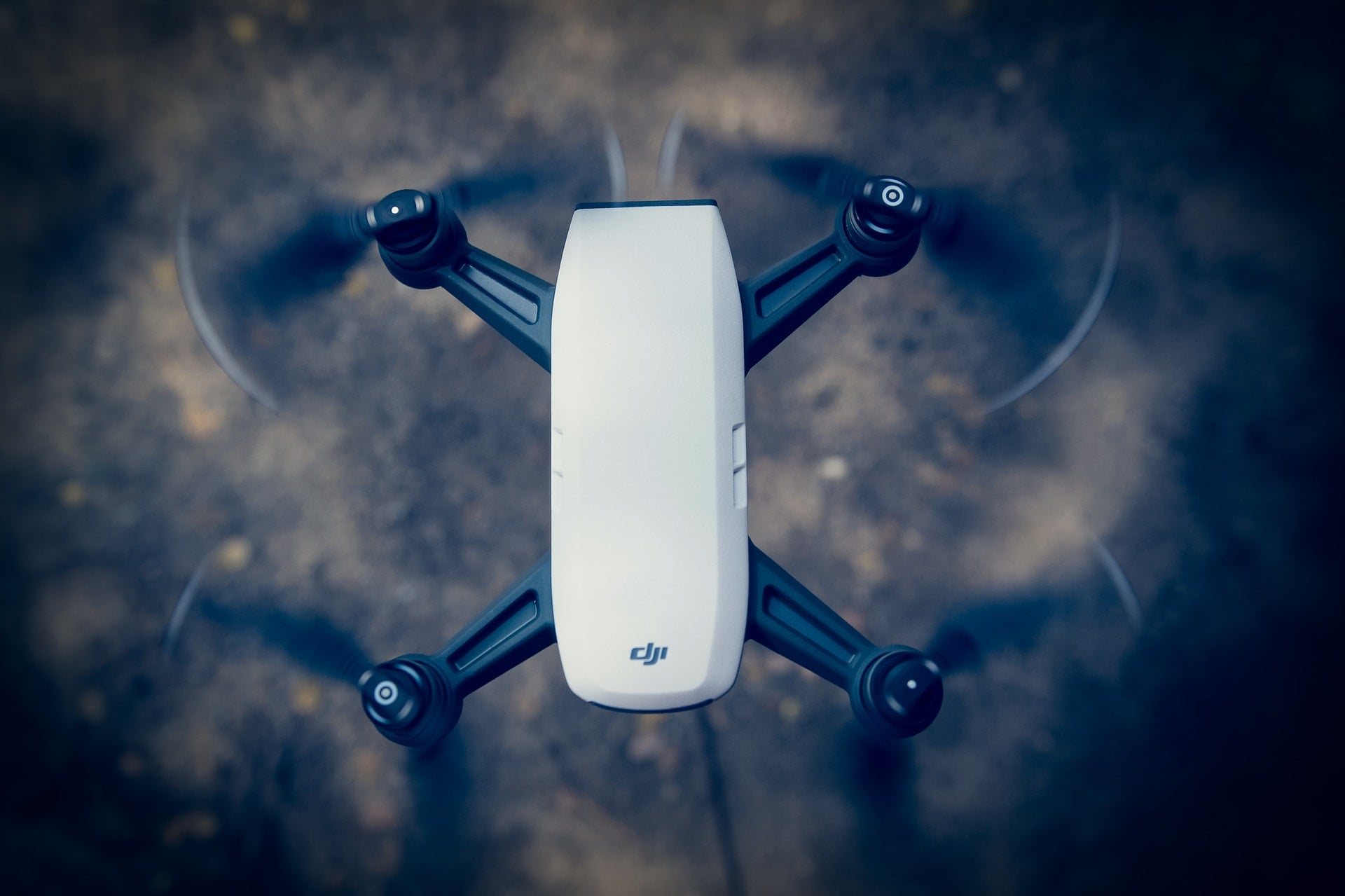 DJI Phantom series quadcopter in flight.
On the other side, GoPro entered the market with the Karma drone. While its flight performance and sensor suite cannot match DJI’s dedicated technology, it appealed strongly to existing GoPro action camera owners: by purchasing the Karma drone frame, owners could mount their existing GoPro cameras, cutting total system costs considerably.
Furthermore, Karma featured a clever modular ecosystem: its 3-axis motorized gimbal could be detached from the aircraft and clipped into the included handheld Karma Grip, turning it into a dedicated handheld electronic stabilizer. Upgrading your camera in subsequent years directly upgraded the drone’s imaging capabilities without replacing the airframe.
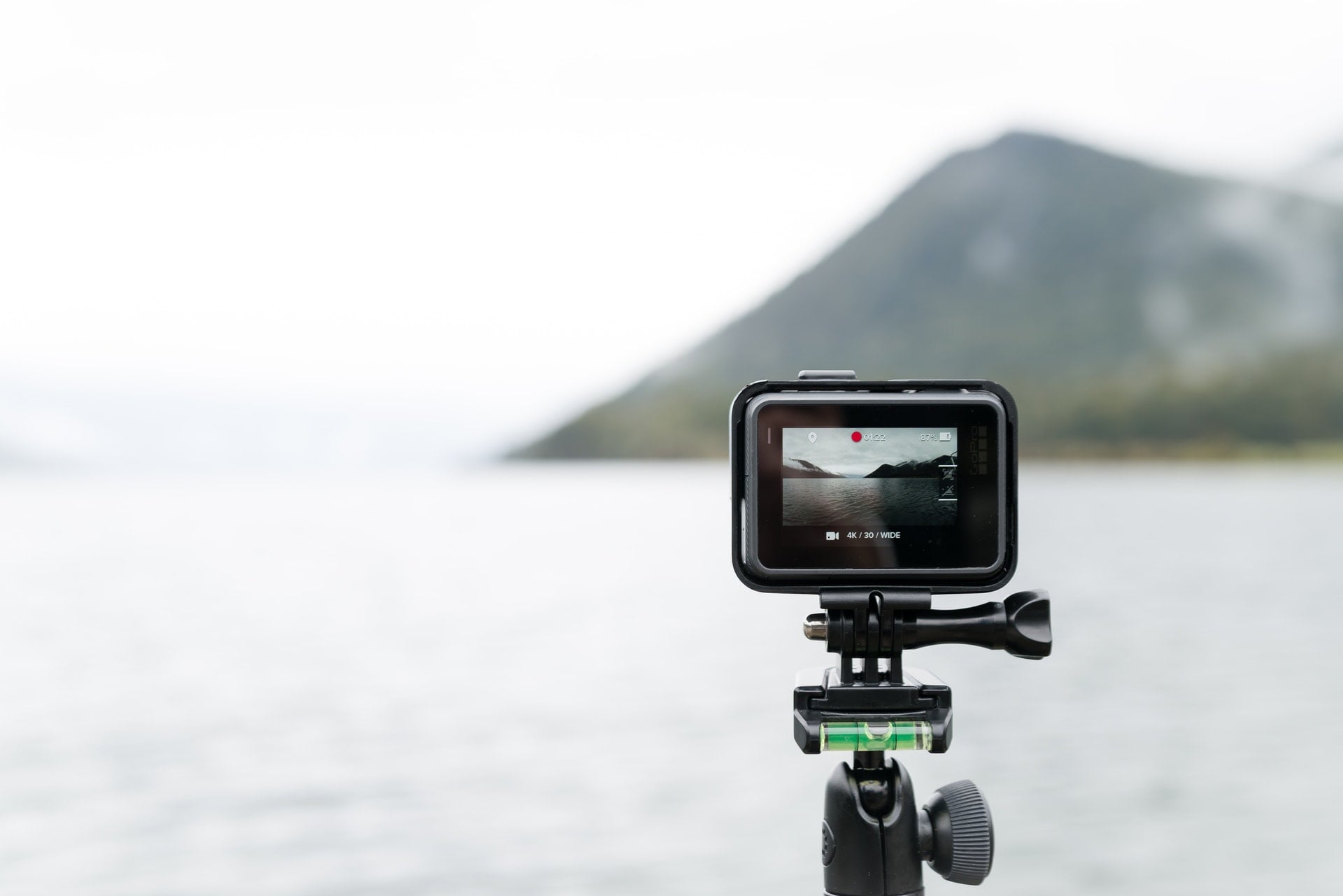
Whether you are evaluating DJI aircraft, GoPro Karma, or alternatives like 3DR, here are the vital hardware and software criteria to assess:
- GPS and One-Key Return-to-Home (RTH): A critical safety net. When flying long distances or losing line of sight, reliable automated return prevents costly loss or flyaways. Recent Karma firmware updates also support RTH.
- Flight Safety & Redundancy: Beyond stable flight controllers, check for safety geofencing, propeller guards, and low-battery auto-landing. Crashing a drone from high altitude poses serious risks to bystanders on the ground.
- Obstacle Avoidance Sensors: Quality camera drones incorporate downward vision positioning, forward binocular sensors, and sonar ranging to detect obstacles and prevent wall collisions.
- Camera and Gimbal Quality: Evaluate both video recording and stills capabilities, noting optical stabilization across fixed hovering and high-speed motion maneuvers.
- Battery Life and Cost: Battery capacity, airframe weight, real-world flight duration, and the replacement cost of extra batteries must be factored into your budget, as aerial outings require at least two to three spare packs.
- Wireless Transmission Link: Assess transmission range, latency, and whether control relies on dedicated RF controllers or basic smartphone Wi-Fi links, which are prone to signal dropouts.
- Flight Stability: The drone must maintain position in moderate winds without drifting uncontrollably. Unstable aircraft endanger people and ruin video capture.
Given current market offerings, DJI remains the most mature and dependable choice for dedicated aerial photography. The decision primarily comes down to budget constraints and form factor preference.
While GoPro Karma’s modular 3-in-1 versatility is tempting, its flight reliability risks make DJI the safer investment for serious flyers.
Related Reference
- DJI Innovations Store:
- Tello: Entry-level educational micro-drone with Scratch programming support.
- Mavic Air / Pro: Compact foldable drones designed for travel portability.
- Phantom 4: Renowned workhorse balancing wind resistance, range, and image fidelity.
- Inspire 2: Designed for high-end film production with interchangeable Zenmuse X7 gimbal systems.
- GoPro Karma:
- Modular frame package bundled with Hero6 Black.
- Second-hand units on eBay or Amazon can offer budget-friendly entry, provided seller histories and crash records are thoroughly checked.
Support Independent Perspectives & In-Depth Insights
Every thoughtful analysis and candid critique comes from our dedication to truth and quality. We choose not to follow sensational algorithms or clickbait headlines.
Sustaining independent research requires reader support. Make a one-time or monthly contribution, securely processed by Google.
Payments secured by Google · Manage or cancel anytime in your Google Account

Comments