

Travel plans: that singular obsession over which couples laugh, weep, bond, and quarrel.
A meticulously crafted itinerary turns you into a superstar tour guide showered with praise and hugs; a disastrous one leaves you reduced to miserable dust.
When I travel, I rarely follow a rigid, fully mapped-out itinerary—I much prefer taking things as they come.
It is not that I lack the skill to organize or plan; rather, it is an inexplicable, visceral distaste for over-scheduling.
While I never stop travel companions from drawing up itineraries—and in fact, I am quite cooperative—don’t expect me to comb through other people’s travel blogs to dictate every waking minute of my trip.
Especially after experiencing both blissfully serendipitous journeys and utterly miserable, micromanaged trips, I have come to believe the single best use for an itinerary booklet is as a trivet for hot soup pots.
For example, once while traveling overseas, upon hearing that a dear friend happened to be in the same country (roughly three times the length of Taiwan away), I scrapped my schedule entirely. I spent three days hopping across different regional buses and trains chasing after her. We only managed to share a brief visit before her tour group had to depart, yet the sheer excitement of reuniting in an unfamiliar corner of the globe made it completely unforgettable.
The Purpose of Travel
What do we seek when we travel, if not genuine joy?
Gathering and synthesizing information has been my forte since student days, often to my classmates’ great benefit. Over time, however, I realized that once I finished devouring all the guidebooks, blogs, and transit charts to draft an exhaustive plan, the raw thrill and sense of wonder were already half gone.
Moreover, the vast majority of travel write-ups online are simply personal takeaways from "ordinary people" just like you and me. I firmly believe nobody knows how to enjoy a place better than you do, because you are unique.
Strict itineraries drain the magic—that is my personal verdict.
With only one exception!
When traveling with a group, I will sketch out a rudimentary framework. That basic framework usually boils down to just three components: lodging (which I still typically book only a day or two in advance, or even upon arrival), primary transit options, and key landmark locations (purely to avoid crisscrossing backtracking).
The purpose of that minimal structure isn’t to guarantee a frictionless tour; it exists solely to grant travel companions peace of mind. By “group,” I mean a gathering of more than four people.
If your travel buddies are easygoing souls who embrace spontaneity, you will enjoy a relaxed, effortless vacation. After all, the old proverb that “plans can never keep up with changes” is painfully true—countless travelers end up bickering in foreign lands over minor disruptions to their rigid schedules.
The companion I dread most is someone who claims to love spontaneous travel, yet secretly harbors an obsessive need for control.
With someone like that, the moment you land, they pull an inch-thick stack of printouts from their backpack and begin barking marching orders. Or they insist everyone drive an hour out of the way just to eat at a noodle stall hyped by some blogger—only for the food to be atrocious.
Or worse, herding the entire party to the 5th floor of a department store to hunt down one specific souvenir, then rushing across town to the 3rd floor of another mall for another specific item, repeating this errand-running loop multiple times… What a nightmare! I have genuinely endured this firsthand. (Inner voice: Take a deep breath, brother.)
Memorable instances where I actually sat down to plan an itinerary beforehand are exceedingly rare. Years ago, while working at an intellectual property law firm, my boss noticed my passion for travel and tasked me with planning the annual company retreat.
Back then, I designed a tongue-in-cheek employee preference survey to poll colleagues across departments—only for my boss to immediately dismiss it as a waste of time (though I still insisted department heads collect their teams’ responses).
On another occasion, my friend Wan-chen asked me to help look up fun spots for her family’s trip to Miaoli. I ended up outlining a concise two-day getaway proposal for them, hoping they would have a blast (even though her parents ultimately called all the shots anyway).
Furthermore, in May 2014, six friends and I booked budget flights on Peach Aviation for a five-day getaway to Okinawa, Japan.
At the time, I even prepared a structured Google Sheets template, the 20140511 Okinawa Travel Plan. For anyone who appreciates structured travel templates, that format can serve as a handy reference when drafting short-term trip itineraries.
Yet regardless of how extensively you research popular sightseeing spots, nothing compares to asking locals on the street where they like to hang out to uncover real hidden treasures.
No matter how tightly you coordinate bus timetables, local customs might surprise you when scheduled departures mysteriously evaporate (though Japan is usually punctual, locals still know secret regional routes unknown to tourists).
If you ask me whether you truly need a travel plan, my answer will always be a question: "What do you want to get out of it? Sightseeing, or travel?"
If what you desire is pampered luxury and predictable comfort, then by all means, draft an itinerary—or simply stay put in the same five-star resort for the entire duration.
If you wish to behold sights that tourist herds never see and experience life in its richest dimensions, toss aside your self-important itinerary, because rigid plans can never keep pace with the wonderful serendipity of an open road.
Would you turn down a warm, impromptu dinner invitation from a rural farming family—or pass on staying an extra evening in their village—just to catch a pre-booked bus? Even if staying would completely upend your meticulously crafted schedule?
If a typhoon disrupts your itinerary, would you stubbornly force your way through pre-planned stops, wasting precious days that could have been spent relaxing comfortably elsewhere?
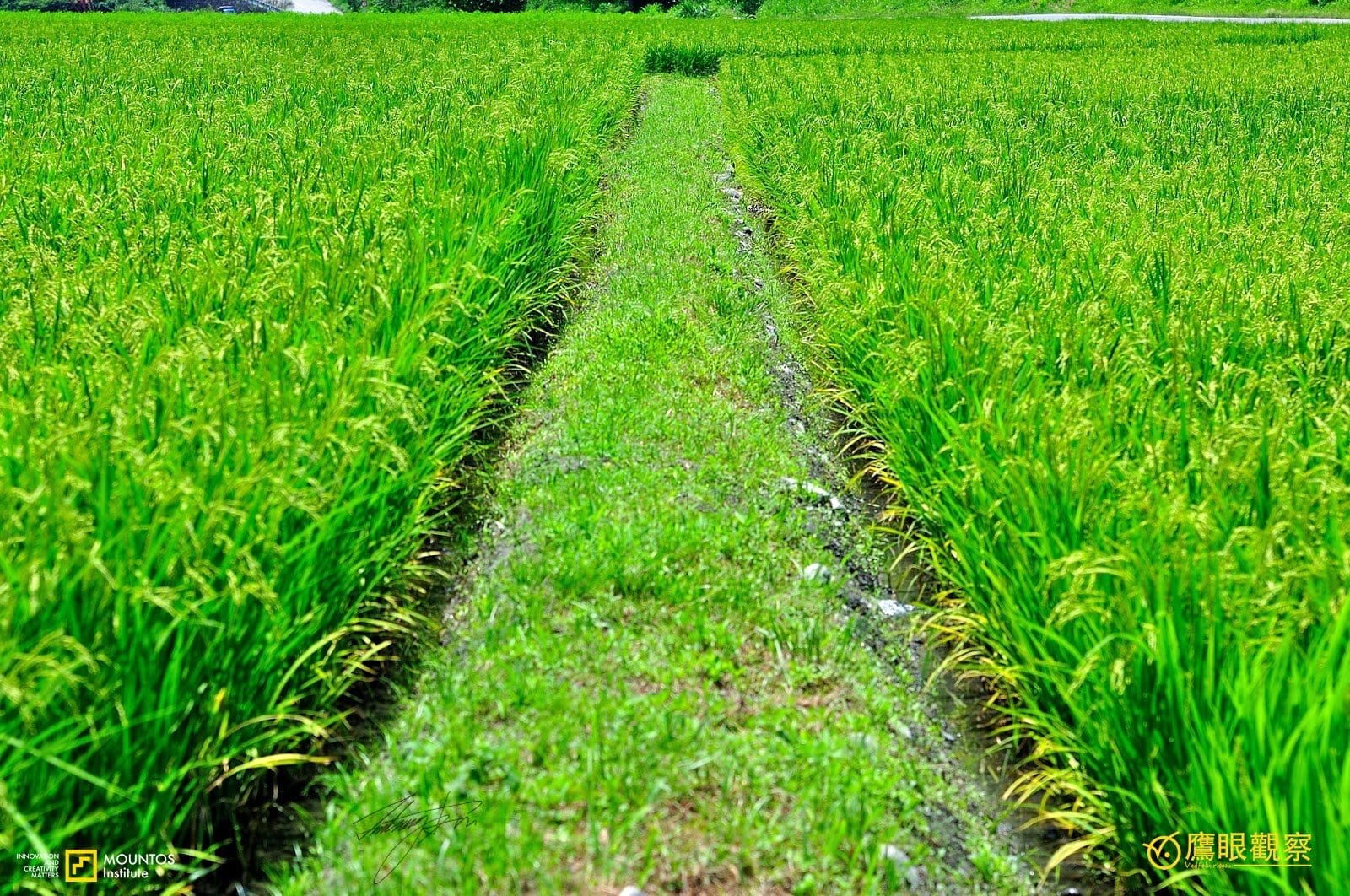 Different roads reveal different vistas (Photo by Jinliang Lin)
Whether you need a travel plan isn’t always something one person alone decides. A journey with my partner opened my eyes to this reality.
She had always believed she preferred spontaneous trips. Yet during a trip to Penghu, it became immediately clear that deep down, she relied heavily on the security of a plan—whether tangible or unspoken.
It is difficult to capture the distinction in words, but the absence of an outline deprived her of reassurance. This brings us back to the difference between sightseeing and traveling.
She was seeking a sightseeing tour where she could observe the scenery; I was seeking a journey where I could continually step into the scenery—an extension of living, an adventure as natural and instinctive as breathing.
Of course, life isn’t always glamorous (gazing into the distance).
Ultimately, the question circles back: What do you truly seek from a trip?
And for myself, all I know is what I want…
 I never want to travel alone again
References
- Packing Checklist: Pre-trip preparation guide for domestic and international travel, hiking, camping, and outdoor outings.
- Travel Tutorial: Essential Google Maps custom travel guides (hotels, food, transit, and scenic landmarks).
- Travel Tools: Employee company retreat survey form.
- Two-Day Itinerary: Miaoli Flying Cow Ranch Attractions & Route Planning.
- Japan Travel: Anticipating our May Okinawa getaway with Peach Aviation.
Support Independent Perspectives & In-Depth Insights
Every thoughtful analysis and candid critique comes from our dedication to truth and quality. We choose not to follow sensational algorithms or clickbait headlines.
Sustaining independent research requires reader support. Make a one-time or monthly contribution, securely processed by Google.
Payments secured by Google · Manage or cancel anytime in your Google Account



Comments