
Disaster Overview
At approximately 7:45 PM on the evening of January 18, 2026, the southern Spanish autonomous community of Andalusia suffered the nation’s deadliest railway catastrophe in more than a decade.
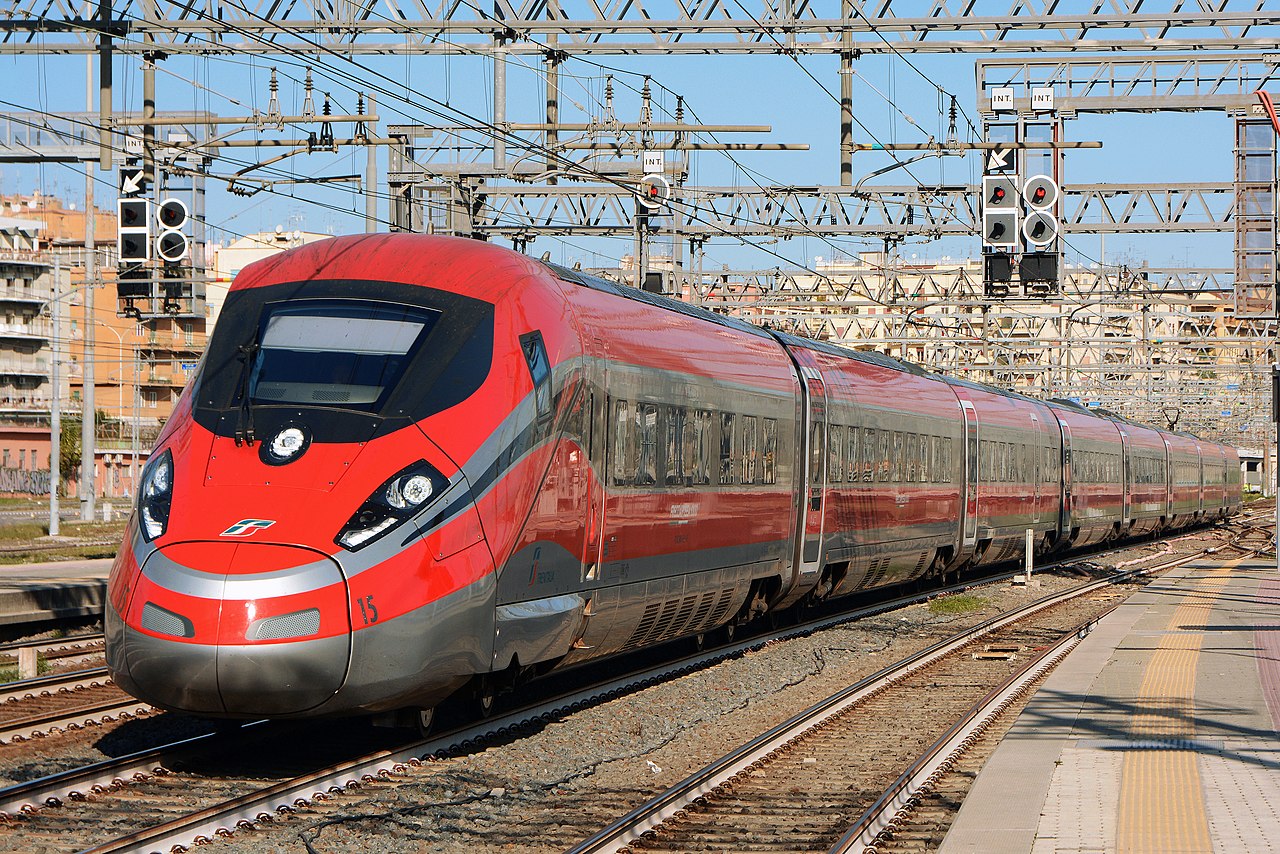
A Frecciarossa 1000 high-speed train (Class S109, manufactured by Japan’s Hitachi Rail) operated by private railway carrier Iryo derailed near Adamuz in the province of Córdoba, encroaching onto the adjacent opposing track and colliding violently with an oncoming Alvia train (Class S120) operated by state-owned carrier Renfe.
As of current reporting, this catastrophic derailment and collision has resulted in 40 confirmed fatalities and more than 150 injuries.
The Fatal 20 Seconds: Anatomy of the Collision
The disaster unfolded along the high-speed trunk corridor linking Madrid and Andalusia. The Iryo S109 train, carrying over 300 passengers, was traveling northbound from Málaga to Madrid. As the train traversed the Adamuz section, its rear carriages suddenly lost guidance, derailed, and jackknifed across the opposing tracks.
A mere 20 seconds later, the Renfe S120 train traveling southbound from Madrid toward Huelva encountered the derailed cars across its path with insufficient braking distance. The immense kinetic impact caused the leading two carriages of the S120 to derail and plunge down a four-meter embankment, forming the catastrophic epicenter of passenger casualties.
Core Investigation: The Broken “Fishplate” Joint
Spain’s Transport Minister Óscar Puente emphasized that the accident exhibited highly unusual technical characteristics. Key focal points of the official inquiry include:
- Critical Physical Evidence: Investigators discovered that a steel rail joint “fishplate” connecting track sections suffered severe mechanical wear and structural fracture, creating a track gap wide enough to derail high-speed wheel assemblies.
- Infrastructure Controversy: The incident occurred on a level, straight track segment that had undergone a comprehensive 700-million-euro modernization completed just months earlier in May 2025.
- Human Error Excluded: Official telemetry confirmed that both trains operated within safety limits (approximately 205 km/h and 110 km/h respectively) and that automated signaling and ATP systems functioned normally, ruling out driver error or overspeeding.
Comparison of Involved Trains
| Specification Dimension | Iryo Train (Initial Derailment) | Renfe Train (Impacted) |
|---|---|---|
| Model Designation | Frecciarossa 1000 (Class S109) | Alvia Class 120 (Class S120) |
| Primary Manufacturers | Hitachi Rail (Japan) / Alstom | CAF (Spain) / Alstom |
| Technical Attributes | Ultra-high-speed distributed traction (Operating 360 km/h) | Automatic variable-gauge bogies (Standard / Iberian gauge) |
| Fleet Status | Built in 2022; passed inspection 3 days before crash | Core operational workhorse of Spanish state railways |
Background & Early Warnings
Spain’s train drivers’ union (SEMAF) disclosed that it had sent formal correspondence to transport authorities in August 2025 warning of track irregularities and uneven leveling along this exact route. Whether these safety warnings were dismissed will serve as a pivotal focus of administrative culpability inquiries.
Ongoing Inquiries
The Railway Accident Investigation Commission (CIAF) has launched a comprehensive inquiry, with a full technical report expected within a month. Investigators are determining whether the broken fishplate succumbed to metal fatigue or improper installation procedures during the recent corridor overhaul.
Support Independent Perspectives & In-Depth Insights
Every thoughtful analysis and candid critique comes from our dedication to truth and quality. We choose not to follow sensational algorithms or clickbait headlines.
Sustaining independent research requires reader support. Make a one-time or monthly contribution, securely processed by Google.
Payments secured by Google · Manage or cancel anytime in your Google Account


Comments