
In an era of heightened awareness surrounding food safety and clean eating, the term “natural yeast” has ignited a lasting passion across the baking and culinary worlds.
Before rolling up our sleeves, however, let’s demystify a common marketing pitch: artisan bakeries often claim they use “100% natural yeast” to justify premium prices, but from a biological standpoint, every single yeast strain on Earth capable of fermenting dough is intrinsically natural.
Commercial instant dry yeast is produced in industrial facilities by isolating, purifying, and dehydrating the single most vigorous strains selected from nature. Its advantages are predictable reliability, rapid fermentation, and near-zero failure rates. In contrast, the wild yeast starters we culture at home consist of a symbiotic colony of diverse yeasts and lactic acid bacteria collected from the air and fruit skins.
Steamed buns, baozi, or sourdough loaves crafted with wild yeast boast subtle wine-like aromas, gentle complex acidity, remarkable moisture retention, and open crumb structures—depths of flavor that single-strain commercial yeasts simply cannot match.
Here is a comprehensive, step-by-step walkthrough detailing how to culture wild yeast water from organic raisins from scratch, maintain a vigorous sourdough starter, and master traditional brown sugar steamed buns!
Part 1: Culturing the Foundation—Raisin Yeast Water
Summer temperatures between 28°C and 32°C (82°F–90°F) provide the golden window for propagating yeast. With clean, oil-free utensils and wholesome ingredients, establishing your own thriving yeast culture at home is remarkably simple.
1. Equipment and Ingredients
- Organic, Oil-Free Raisins: 60 g (make sure they are uncoated with vegetable oils and free of chemical preservatives)
- Boiled and Cooled Water: 250 g (avoid chlorinated tap water, as chlorine suppresses delicate microbial growth)
- Demerara or Brown Sugar: 50 g
- Sterilized Glass Jar: 750 ml to 1,000 ml capacity (scalded with boiling water and air-dried or wiped clean with fresh paper towels)
2. The 7-Day Fermentation SOP
- Initial Packing: Add the raisins, cooled water, and sugar into your clean glass jar. Gently swirl until the sugar completely dissolves. Cover the rim with plastic wrap and poke a few micro-vent holes with a fork (or twist the lid on loosely so fermentation gases can escape), then place the jar in a shaded, well-ventilated spot indoors.
- Twice-Daily Gentle Swirling: Every morning and evening, gently swirl the jar to keep floating raisins submerged. This prevents surface mold from developing and introduces fresh oxygen to stimulate growth.
- Observing Bubble Activity: Around Day 3 or 4, delicate carbon dioxide bubbles will begin rising to the surface, and the plumped raisins will float upward.
- Harvesting the Yeast Water: By Day 6 or 7, vigorous bubbling peaks, releasing a sweet, wine-like aroma whenever unsealed. Strain out the raisins and collect the golden effervescent liquid—this is your prized wild yeast water! (If it smells putrid or foul, or if white, green, or black furry mold appears on the surface, unwanted pathogens have invaded. Discard immediately, re-sterilize your tools, and restart.)
Part 2: Building a Flour Levain (Mother Starter)
Freshly strained yeast water has not yet reached peak lifting power. Cultivating it into an active levain with flour builds robust fermentation strength:
1. First Flour Feed
Combine the strained yeast water with 100 g of high-gluten bread flour in a clean jar, stirring thoroughly until no dry flour remains. Within 2 to 4 hours, the batter will bubble energetically, expanding to roughly double its original volume. Over the following 6 to 8 hours, activity will gradually slow—a completely normal cycle.
2. Daily Feeding Routine
Once established, feed your starter once or twice daily (e.g., 8:00 AM and 8:00 PM):
- Each Feed: 2 tablespoons bread flour + 1.5 tablespoons cooled boiled water + 1/2 teaspoon sugar, stirred until smooth.
3. The Vital Rule: Discarding Half Regularly
Remember: Every 2 to 3 days, always discard (or bake with) half of the starter before adding fresh flour and water. Because yeast populations multiply exponentially, maintaining an expanding volume without discarding dilutes available nutrients, quickly causing the colony to exhaust its fuel and weaken. The discarded portion can be repurposed immediately into delicious pancakes, crackers, or steamed buns!
4. Cold Dormancy Storage
If your baking routine is limited to weekends, store your active starter sealed in the refrigerator (4°C–7°C) once it has doubled in size after feeding. A day before baking, retrieve it from the fridge, allow it to warm up for 2 to 4 hours, and give it one refreshing feed. Once vigorous again, scoop out what your recipe needs and return the remaining culture back to cold storage.
Part 3: Step-by-Step Recipe—Brown Sugar Steamed Buns
With an energetic wild levain in hand, making traditional Chinese steamed buns becomes pure joy:
1. Golden Ratio Formula
- Active Wild Yeast Starter: 3 to 4 tablespoons (approx. 80–100 g)
- All-Purpose Flour: 600 g
- Cooled Boiled Water: approx. 260–300 ml (adjust gradually based on flour absorption until the dough comes together cleanly without sticking)
- Brown Sugar: 2 to 3 tablespoons (adjust sweetness to taste)
- Fine Salt: 1 teaspoon (strengthens gluten network and balances sweetness)
2. Method
- Kneading: Mix flour, brown sugar, salt, and starter together. Gradually incorporate water, kneading thoroughly until the dough turns smooth, supple, and elastic.
- Bulk Fermentation:
Wild yeast ferments at a gentler, slower pace than commercial instant yeast.
- Summer (room temperature): approx. 12 to 18 hours;
- Winter (cooler temperatures): approx. 18 to 24 hours (or prepare the dough the night before and let it slowly proof overnight at room temperature until doubled in bulk).
- Degassing and Shaping: Punch down the proofed dough to expel large gas pockets. Divide and roll into portions for baozi wrappers, or roll the sheet tightly into a log and cut into uniform brown sugar mantou buns.
- Final Proof and Steaming: Arrange buns on steamer parchment and allow them to rest for 15 to 20 minutes (they should feel puffy and spring back slowly when lightly pressed). Start with cold water in the steamer base. Bring to a rolling boil over high heat, then adjust to medium and steam for 15 minutes. Do not uncover immediately after turning off the heat; let the steamer sit undisturbed for 3 minutes to equalize internal temperature. Uncover gradually—this prevents delicate bun skins from wrinkling or collapsing due to sudden thermal shock!
Part 4: Fruit Selection Tips and Pitfalls to Avoid
Beyond raisins, almost all unpeeled fruits—such as apples, red grapes, and cherry tomatoes—serve as wonderful hosts for wild yeast. However, heed one critical caveat:
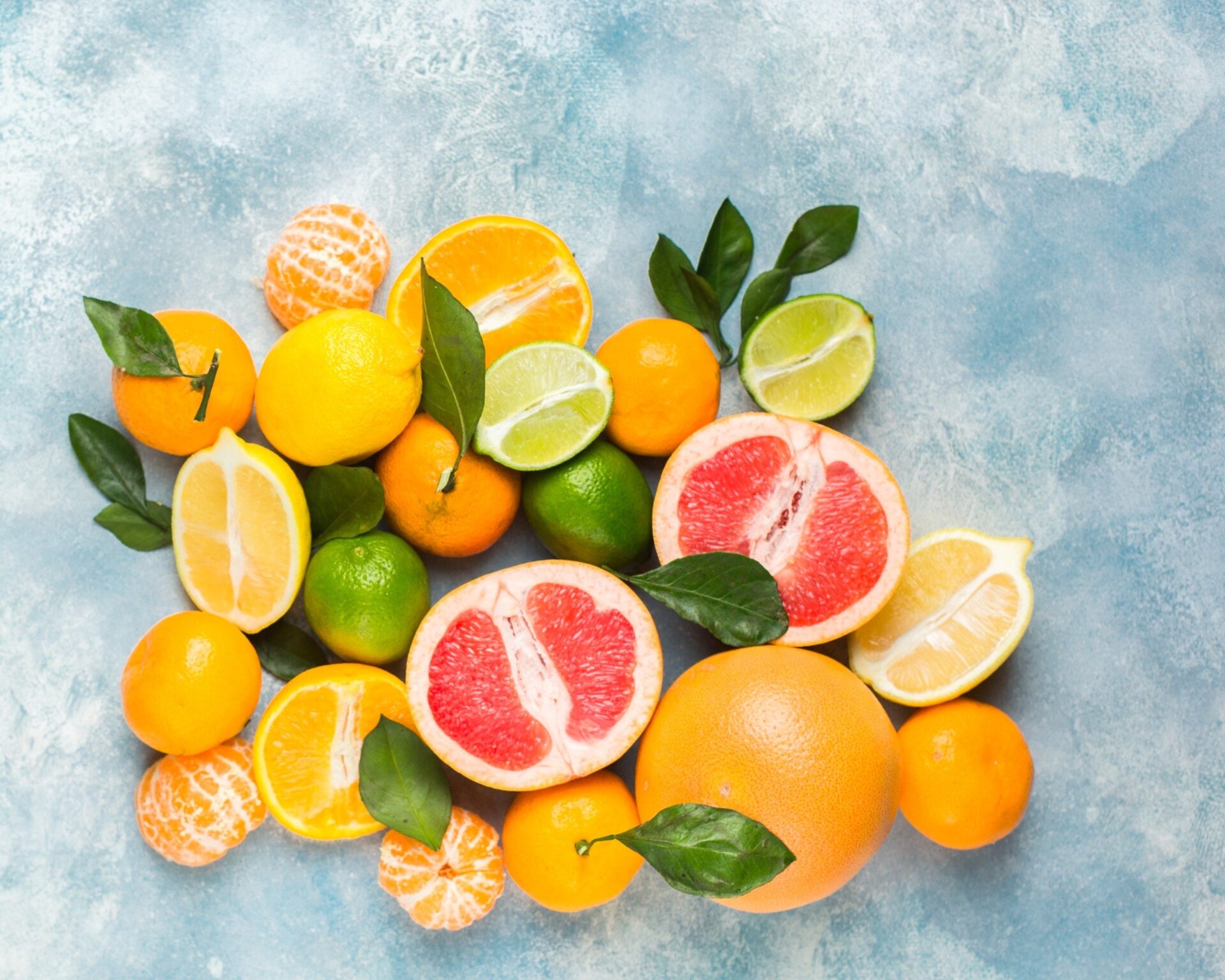
Important Warning: Tropical fruits such as papaya, pineapple, and kiwi contain powerful proteolytic enzymes (like papain and bromelain). These enzymes aggressively break down gluten protein strands in wheat flour, turning dough into an unworkable puddle incapable of holding structure. Never use them to culture baking yeast!
Conclusion
Nurturing wild yeast feels like tending to a tiny living garden inside your kitchen.
Waking up each morning to greet vibrant bubbling action and intoxicating aromas inside your jar turns baking into a grounding ritual in an otherwise frantic world. Try culturing your own jar of natural yeast, and let time work its quiet magic to reward your loved ones with warm, wholesome, handcrafted steamed buns!
Support Independent Perspectives & In-Depth Insights
Every thoughtful analysis and candid critique comes from our dedication to truth and quality. We choose not to follow sensational algorithms or clickbait headlines.
Sustaining independent research requires reader support. Make a one-time or monthly contribution, securely processed by Google.
Payments secured by Google · Manage or cancel anytime in your Google Account



Comments