
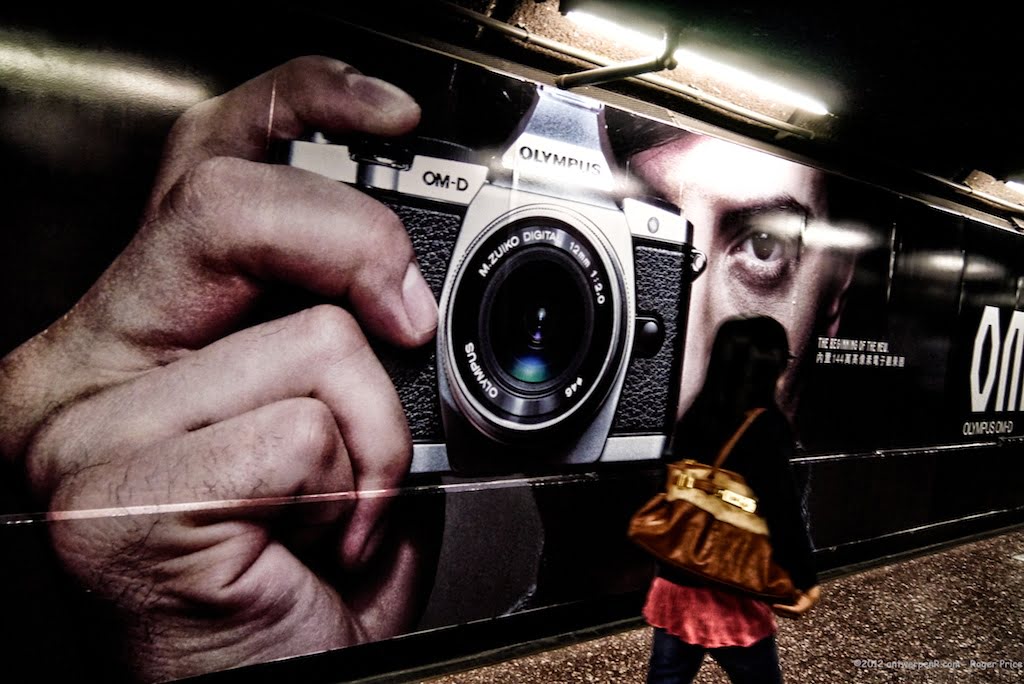
Shooting images at an astronomical ISO 25,600—sounds impressive, doesn’t it?
In the analog film era, a roll of ISO 100 film cost around 100 NTD, an ISO 800 roll cost roughly 200 NTD, and ISO 1,600 reached 400 NTD. If you extrapolated that arithmetic progression, a hypothetical roll of ISO 25,600 film would have run 6,400 NTD, making each single exposure cost nearly 200 NTD!
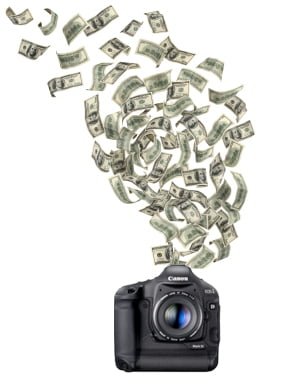
Under that logic, if your brand-new digital camera can shoot at ISO 25,600, snapping just a hundred frames would seemingly recover your camera investment. Even if you were wielding an elite flagship body like the Nikon D4 series, burning through the digital equivalent of 22 rolls would supposedly pay for the camera body (ah, recalling the wallet-draining horrors of buying film back in the day).
Unfortunately, reality is far less idyllic. High ISO sensitivity is always purchased at the direct expense of image quality.
Take my Nikon D810 DSLR as an example. While positioned as an enthusiast-to-professional body boasting a native ISO range of 64 to 12,800—and expanding from 32 down to 51,200 in High Sensitivity modes—in real-world practice, ISO 800 is already the ceiling of what I consider acceptable. Pushing beyond that threshold introduces noticeable degradation to fine detail, micro-contrast, and color rendering.
Whether shooting in a studio setup or on location outdoors, I strive to keep the sensitivity pinned to its native baseline of ISO 64 to maximize image fidelity (which naturally demands much stricter lighting discipline). Of course, when capturing the moment trumps pristine detail and missing the shot entirely is the only other alternative, extreme ISO values have their place. Perhaps that is the true purpose of chasing astronomical sensitivity figures.
Reflecting on the classic film era, slide film (positive) and color negative film were prized not only for their wide exposure latitude and organic color reproduction, but also because their dynamic response to light is analog. If your eye perceives 10 distinct tonal gradations in shadow-to-highlight transitions, slide film could resolve 100 nuanced tones. That organic micro-contrast is something consumer-to-midrange digital sensors struggle to replicate—unless you step up to medium format behemoths like the Phase One XF 100MP or Hasselblad H5D Multi-Shot systems.
Furthermore, even with standard ISO 100 film, photographers could "**push**" process in the darkroom, instructing lab technicians to develop the film at higher sensitivities. While film grain coarsened, modern digital editing software today even celebrates prominent grain structures as a sought-after aesthetic in digital darkroom workflows.
Support Independent Perspectives & In-Depth Insights
Every thoughtful analysis and candid critique comes from our dedication to truth and quality. We choose not to follow sensational algorithms or clickbait headlines.
Sustaining independent research requires reader support. Make a one-time or monthly contribution, securely processed by Google.
Payments secured by Google · Manage or cancel anytime in your Google Account

Comments