
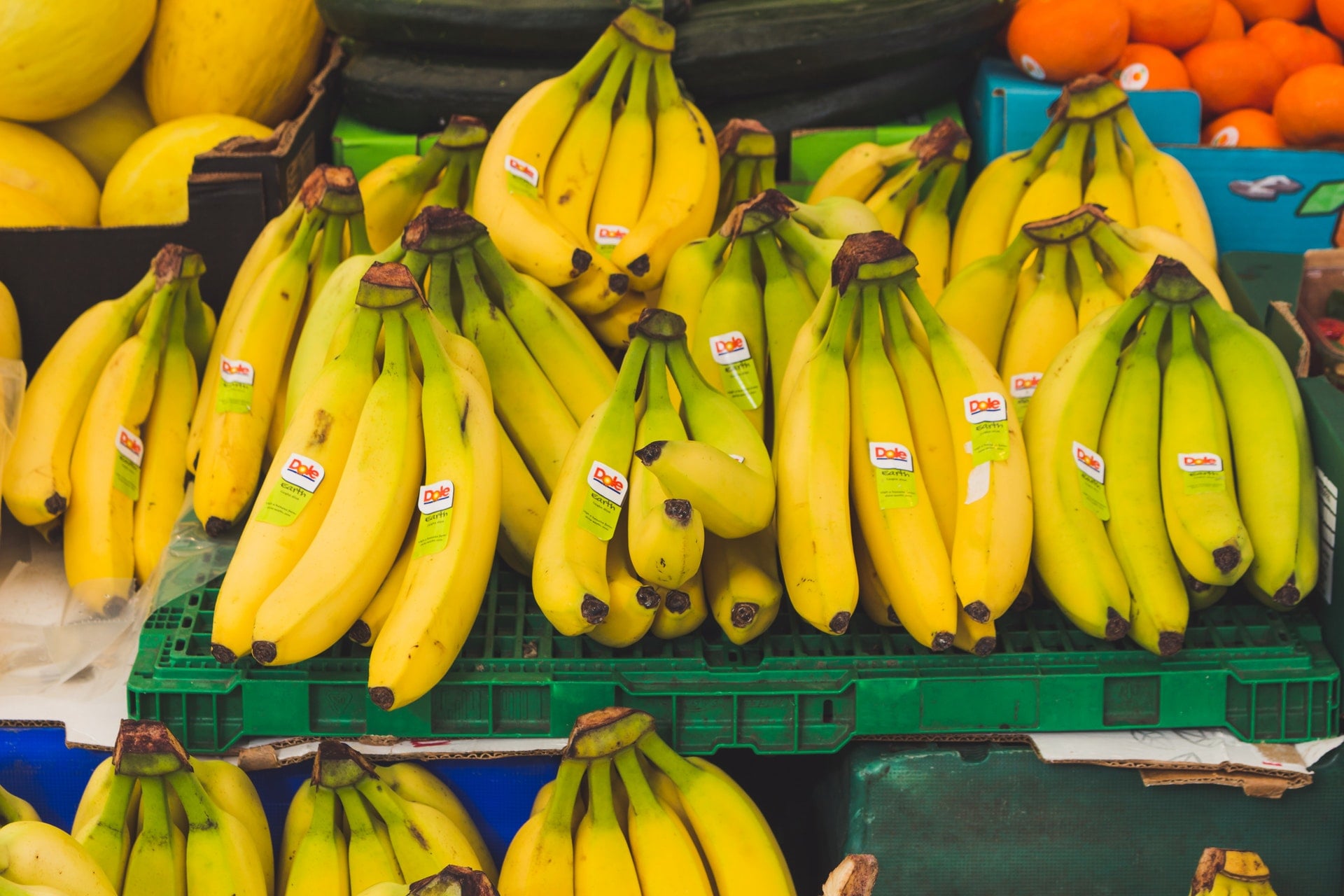
In an era where escalating climate change and extreme weather events threaten global food security and carbon-reduction targets, breakthroughs in biotechnology are reshaping traditional agriculture at an unprecedented pace.
In spring 2025, the UK-based agricultural biotechnology startup Tropic announced a major commercial milestone for the global fresh produce industry: 「non-browning gene-edited bananas」. Using precision CRISPR-Cas9 gene editing, the research team successfully resolved the natural biochemical challenge where banana flesh rapidly turns dark and unappealing upon exposure to ambient air. Following this breakthrough, the company also unveiled a complementary variety — long-life green bananas engineered to significantly retard ethylene ripening, extending ocean-freight shelf life by weeks without cold chain loss.
How does this revolutionary genetic technology work? Can it genuinely serve as a green solution to slash millions of tons of global food waste, or does it risk unforeseen ecological ripple effects on nature’s delicate evolutionary balance?
Unmasking the Culprit Behind Black Spots: What Are 「Non-Browning Bananas」?
Bananas are among the most consumed staple fruits on Earth, with global annual production surpassing 150 million metric tons. Currently, international export markets are almost exclusively monopolized by a single cultivar group: the Cavendish banana.
However, Cavendish bananas suffer from a notorious commercial weakness: the moment the peel is lightly bruised or the peeled fruit is exposed to ambient air for even a couple of hours, the surface quickly breaks out in unsightly brownish-black discoloration.
This discoloration is driven by an enzymatic oxidation reaction catalyzed by Polyphenol Oxidase (PPO):
- When plant cell walls are damaged and come into contact with oxygen, PPO oxidizes colorless phenolic compounds into catechols, which rapidly polymerize into dark insoluble melanins.
- While enzymatic browning does not diminish the fruit’s nutritional content or natural sweetness, retail grocery chains and consumers treat browned fruit as unmarketable waste.
- According to United Nations Food and Agriculture Organization (FAO) assessments, over 60% of exported bananas are discarded along shipping routes and retail shelves due to superficial skin bruising or post-peel browning, representing a staggering waste of agricultural water, land, and energy resources.
By fully sequencing the Cavendish genome, Tropic’s research team deployed next-generation CRISPR-Cas9 gene-editing tools to precisely target and 「knock out」 the specific cluster of genes responsible for expressing polyphenol oxidase.
Key Distinction: Gene Editing ≠ Traditional Genetic Modification (GMO)
Traditional genetic modification (GMO) involves inserting foreign genes from unrelated organisms (such as insecticidal genes from bacteria) into the host genome. In contrast, CRISPR gene editing functions like a precision molecular word processor: it makes microscopic deletions or targeted tweaks solely within the banana’s native DNA sequence, introducing zero foreign genetic material. Controlled trials demonstrate that while conventional bananas turn black within 12 hours of slicing, gene-edited bananas retain their fresh, golden flesh color indefinitely.
The Secret Weapon Transforming Maritime Logistics: 10 Extra Days for Green Bananas
Beyond curbing flesh browning, Tropic turned its focus toward the major bottleneck in cross-border ocean logistics: ethylene regulation.
Once green bananas are harvested in tropical plantations, endogenous enzyme cascades synthesize trace amounts of the gaseous plant hormone ethylene, initiating an irreversible ripening cascade: firm starches are rapidly converted into simple sugars, pectin softens, and the peel shifts from green to yellow. Once ethylene triggers, the clock cannot be turned back.
To prevent bananas from overripening during transoceanic cargo voyages, the fruit industry currently relies on energy-intensive, ultra-low-temperature refrigerated reefers, complemented by chemical ethylene inhibitors. Tropic targeted the enzyme-coding genes that regulate endogenous ethylene synthesis in green bananas, dramatically slowing their self-induced ripening velocity:
- The newly developed green bananas can extend their fresh commercial window by at least 10 additional days under standard ambient storage.
- This allows growers across major exporter nations (such as the Philippines, Colombia, Honduras, and Ecuador) to widen harvest windows and enables ocean shippers to utilize slower, cost-effective, and fuel-efficient maritime routes, slashing cold-chain energy consumption and synthetic chemical dependencies.
This gene-edited banana has secured non-regulated agricultural approvals from the United States Department of Agriculture (USDA), Canada, the Philippines, and Colombia, with broader international market rollouts underway in 2025.
Technological Benefits vs. Ecological Concerns
While this agricultural breakthrough opens exciting sustainability horizons, it has also sparked thoughtful debate among scientists and environmental advocates:
| Dimension | Breakthrough Advantages of Gene-Edited Bananas | Concerns from Scientists and Environmental Advocates |
|---|---|---|
| Food Waste & Carbon Footprint | Projected to reduce banana supply chain losses by at least 25%, eliminating immense methane emissions from landfill decomposition (equivalent to taking 2 million combustion vehicles off the road annually). | Robust traceability and cold-chain monitoring protocols remain essential to ensure prolonged shelf life does not mask underlying opportunistic fungal proliferation. |
| Economics & Smallholder Farmers | Longer shelf stability slashes retail grocery spoilage, increases premium export yields, and boosts foreign exchange earnings for tropical agricultural nations. | Patented seedling fees could be cost-prohibitive. Without equitable access models, corporate plantations could widen wealth disparities against resource-poor smallholder farmers. |
| Plant Defense & Disease Resistance | Minimizes reliance on post-harvest fungicidal sprays, reducing chemical residues on consumer fruit. | Polyphenol oxidase plays a defensive role in plant evolution against fungal pathogens and insect pests. Whether completely silencing PPO compromises the plant’s baseline immune defense against Tropical Race 4 (TR4) Panama disease requires rigorous long-term field validation. |
| Consumer Acceptance | Fresh appearance remains visually appealing; sliced bananas for baking, salads, and lunchboxes stay pristine without lemon juice baths. | In regulatory jurisdictions with conservative biotech policies (such as the European Union), lingering consumer skepticism toward genetic alterations requires transparent, evidence-based science communication. |
Conclusion: Balancing Innovation and Ecological Wisdom
Tropic’s gene-edited banana represents a landmark milestone for 21st-century 「climate-smart agriculture」. It demonstrates that cutting-edge molecular bioscience is not restricted to human therapeutics; it can generate tangible, megaton-scale carbon reduction and waste-mitigation benefits within everyday global food supply chains.
Yet biotechnology remains a double-edged sword. As we celebrate extended shelf life, the international scientific community must maintain vigilance, monitoring the long-term field stability of edited crops and ensuring that patent monopolies do not undermine agricultural biodiversity. Only by balancing bold innovation with humble respect for natural ecology can this banana truly become a beacon of sustainable agricultural progress.
Support Independent Perspectives & In-Depth Insights
Every thoughtful analysis and candid critique comes from our dedication to truth and quality. We choose not to follow sensational algorithms or clickbait headlines.
Sustaining independent research requires reader support. Make a one-time or monthly contribution, securely processed by Google.
Payments secured by Google · Manage or cancel anytime in your Google Account




Comments