
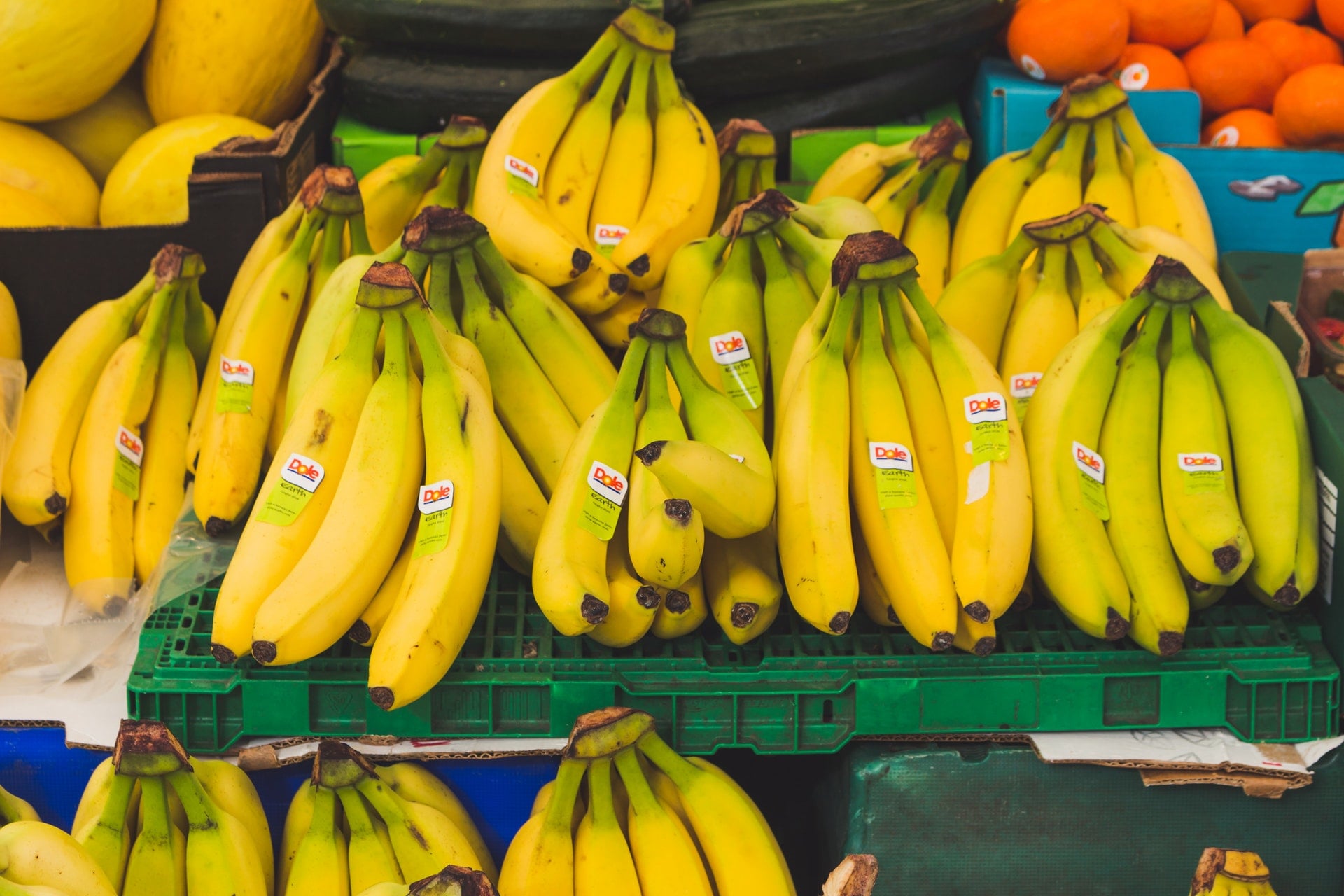
Lifehacker published an article titled Keep Bananas Fresh Longer by Separating Them and Wrapping the Stems in Plastic Wrap, sharing a clever trick to extend the shelf life of bananas through two simple steps:
- Separate each banana from the bunch individually; and
- Wrap the crown (stem) of each banana tightly with plastic cling wrap.
In Taiwan, renowned as the “Fruit Kingdom,” knowing how to keep fruit fresh is practically common sense. The principle applies not just to bananas, but to a wide array of everyday vegetables and fruits. After all, the Chinese word for cling wrap literally translates to “freshness-preserving wrap.”
For example, when saving a leftover cut carrot while cooking, wrapping the exposed cut end tightly in plastic wrap prevents moisture loss—much like applying a hydrating facial sheet mask at night to keep your skin from drying out (sips hot tea).
The original post also highlights that bananas naturally emit a gas called “ethylene,” a plant hormone that triggers growth, ripening, and eventual senescence in fruits. Separating bananas minimizes the localized concentration of ethylene gas between them, while wrapping the stems slows ethylene release, keeping bananas firm and fresh for significantly longer.
Speaking of bananas, my family has our own traditional way of handling them. My maternal grandmother owned an entire banana orchard, so every visit meant returning home with multiple huge bunches. Bananas are filling, and eating too many at once isn’t great, so my mother always stashed the surplus into the freezer.
Once chilled, because bananas don’t freeze into solid ice bricks, we regularly enjoyed cold, creamy, naturally soft fruit popsicles (though right now it’s winter! Please don’t tell me to hurry up and eat them just to clear freezer space!).
As an aside, the role of ethylene in ripening has long been mastered by commercial agriculture. Many distributors use this property to harvest fruit while still firm and unripened, later exposing it to artificial ethylene gas to time the ripening perfectly for supermarket shelves, ensuring year-round availability.
However, artificially ripened produce rarely matches the exquisite flavor and sweetness of naturally ripened fruits. Choosing locally grown, in-season produce remains the healthiest, most flavorful, and safest choice.
Support Independent Perspectives & In-Depth Insights
Every thoughtful analysis and candid critique comes from our dedication to truth and quality. We choose not to follow sensational algorithms or clickbait headlines.
Sustaining independent research requires reader support. Make a one-time or monthly contribution, securely processed by Google.
Payments secured by Google · Manage or cancel anytime in your Google Account



Comments