

Font copyright infringement cases have surged across startup, advertising, and e-commerce circles in recent years. Many entrepreneurs assume that ancient calligraphy, historical block-prints, or free online downloads can be freely commercialized on logos, packaging, and YouTube thumbnails without legal exposure.
The trajectory of the famous KangXi Dictionary Font (康熙字典體) illustrates the subtle distinction between public domain literary characters and modern digital font software copyrights.
The KangXi Dictionary Paradox: Ancient Characters, Modern Software
The historical Kangxi Dictionary was commissioned in the 49th year of the Kangxi Emperor’s reign and officially published in 1716. While the original Qing dynasty woodblock letterforms reside in the public domain, the digital font file (.ttf / .otf) widely used today was created through bitmap vector tracing and outline software engineering by Chinese type designer厉向晨 (Wenyue Technology).
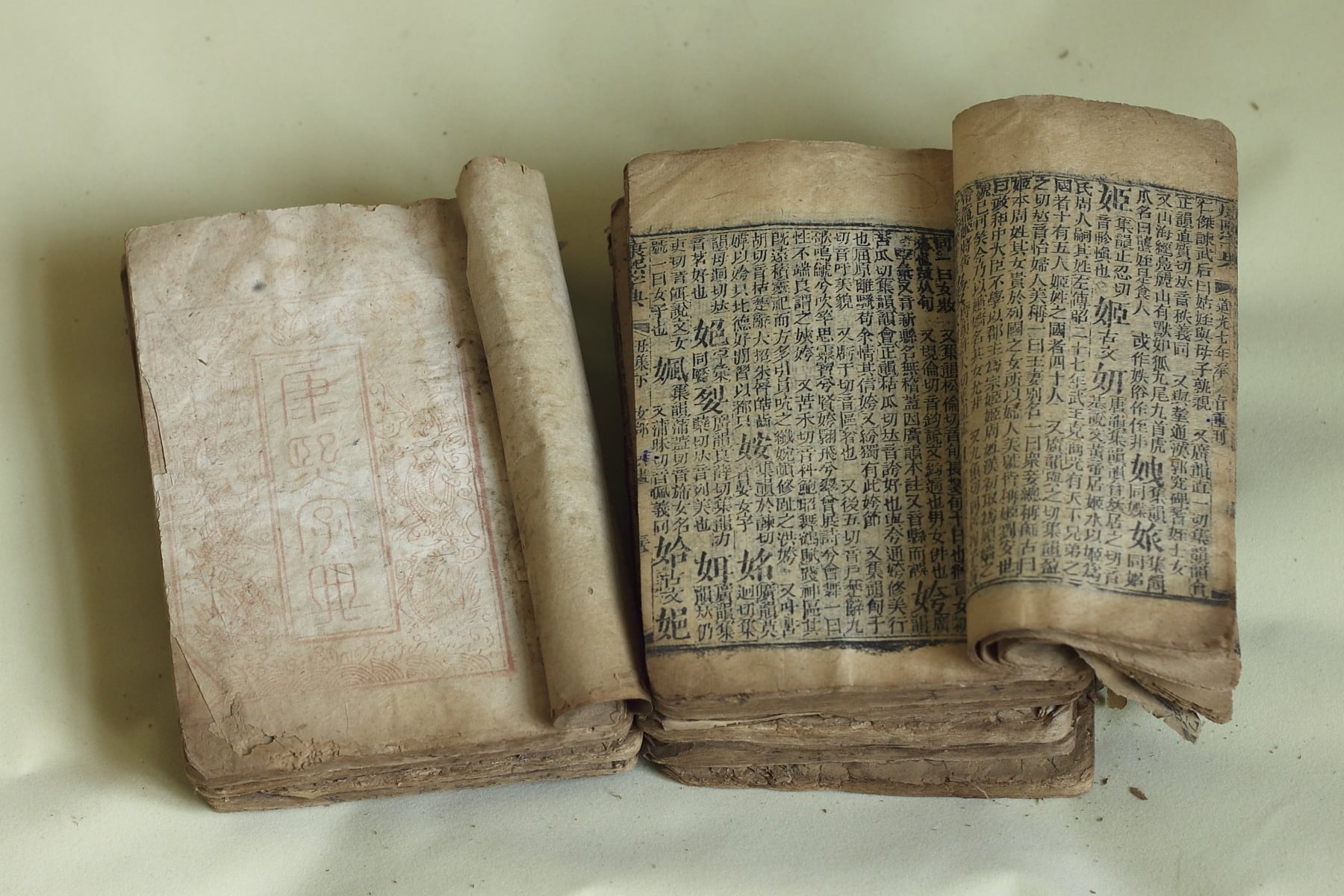
Under international intellectual property law, while individual historical glyph concepts cannot be monopolized, the underlying digital vector instructions and font software code enjoy independent copyright protection.
Using unlicensed digital font files on commercial products, video titles, or advertisements exposes businesses to statutory damages once a product achieves commercial success.
Why Font Infringement Traps Are So Prevalent
- Ubiquitous Free Downloads: Font files circulate freely across design forums, leading junior designers to assume “free to download” equals “free for commercial branding.”
- Tiered Licensing Complexity: Font foundries distinguish between Personal Use, Desktop Print, Webfont Pageviews, Mobile App Embedding, and Broadcast Video licenses. A standard desktop license rarely permits logo trademarking or mass retail packaging.
- Delayed Enforcement: Copyright owners and type foundries often monitor market use quietly, issuing cease-and-desist letters and high-dollar damages claims only after a brand achieves substantial revenue.
Major Commercial Type Foundries
Traditional Chinese (正體中文) Foundries
- DynaComware (威鋒數位 / 華康字型): Premier Taiwanese foundry behind classic Ming, Gothic, and display typefaces.
- Arphic Technology (文鼎字型): Established Taiwanese type foundry known for corporate typography and embedded systems.
- Justfont: Pioneering Taiwanese digital foundry and webfont distributor (creators of jf open huninn and JinXuan).
- Monotype Imaging (蒙納字型): Global typography multinational representing thousands of international Latin and CJK fonts.
Simplified Chinese Foundries
- FounderType (北大方正): China’s largest legacy font developer.
- Hanyi Fonts (漢儀字庫): Major designer of commercial branding typefaces.
- SinoType (常州華文): Enterprise typographic developer behind core system font implementations.
Practical Risk Mitigation for Businesses
- Verify Commercial Licenses Upfront: Audit all branding assets, product packaging, and corporate slide decks before commercial launch.
- Prioritize Permissive Open-Source Fonts: Lean on robust SIL Open Font License (OFL) families—such as Google’s Noto Sans / Noto Serif (Source Han Sans / Source Han Serif 思源黑體 / 思源宋體)—for safe, unencumbered commercial deployment.
- Require Indemnification in Design Contracts: Ensure external agencies and freelance designers contractually warrant that all fonts utilized in deliverables are lawfully licensed for commercial deployment.
Support Independent Perspectives & In-Depth Insights
Every thoughtful analysis and candid critique comes from our dedication to truth and quality. We choose not to follow sensational algorithms or clickbait headlines.
Sustaining independent research requires reader support. Make a one-time or monthly contribution, securely processed by Google.
Payments secured by Google · Manage or cancel anytime in your Google Account



Comments