

The Centers for Disease Control (Taiwan CDC) under the Ministry of Health and Welfare recently announced that due to the persistent rise in yellow fever cases across Brazil and the expanding spread of the epidemic, the travel health notice for yellow fever in Brazil has been designated as Level 1: Watch.
Taiwan CDC advises travelers planning visits to Brazil in the near future to seek vaccination consultation at one of the 26 designated travel medicine clinics across the country [1] at least 10 days before departure, and to adopt rigorous mosquito bite prevention measures while in Brazil to avoid infection.
International surveillance data indicates that as of January 30, 2017, Brazil had reported a cumulative total of 568 suspected yellow fever cases, including 107 confirmed cases and 113 deaths. Minas Gerais accounted for nearly 90% of cases, while infections have spread to additional states. The World Health Organization (WHO) stated that due to human and animal movements alongside low vaccine coverage in certain areas, the epidemic is expected to expand with high transmission risk.
Currently, southern and southwestern municipalities of Bahia State, Espírito Santo State (excluding the urban center of Vitória), and northern areas of Rio de Janeiro State have been designated as newly classified risk zones. Travelers visiting these destinations are strongly urged to receive the yellow fever vaccine.
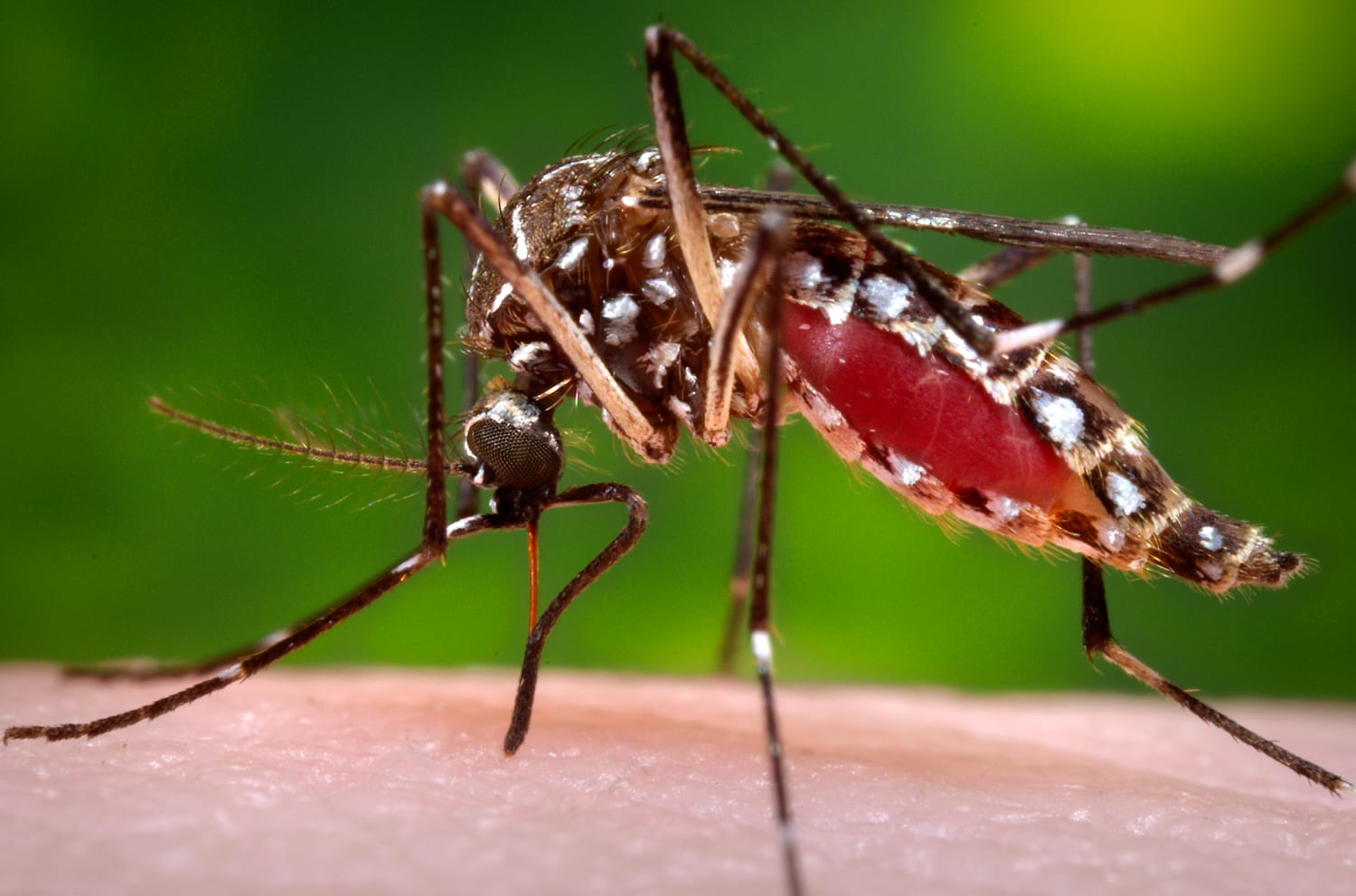
Yellow fever is transmitted through mosquito bites with an incubation period of 3 to 6 days. Typical clinical symptoms include sudden-onset chills, headache, back pain, generalized muscle ache, loss of appetite, nausea, and vomiting. Some patients enter a toxic phase several hours to a day later, presenting with fever, jaundice, proteinuria, and hemorrhagic symptoms—such as nosebleeds, bleeding gums, vomiting blood, or melena (black stool)—which can even progress to acute liver or kidney failure leading to anuria. No specific antiviral drug exists to treat yellow fever; vaccination and mosquito bite avoidance remain the most effective preventive measures.
Taiwan CDC advises individuals traveling to endemic areas to visit a travel medicine clinic 2 to 4 weeks before departure for consultation and immunization. During your stay, practice protective measures such as using Ministry-approved insect repellents, staying in accommodations equipped with screen windows and doors, and wearing light-colored, long-sleeved clothing and pants.
Arriving travelers who experience suspected symptoms must notify airport quarantine personnel immediately. If feeling unwell after returning home, seek prompt medical attention and inform the physician of your travel and exposure history to facilitate timely diagnosis and treatment. For more information, visit the "**[International Travel and Health](http://www.cdc.gov.tw)**" section on the Taiwan CDC portal or call the toll-free epidemic prevention hotline at 1922 (or 0800-001922).
- List of 26 designated travel medicine clinics providing international vaccinations (covering Taiwan, Penghu, Kinmen, and Matsu).
Support Independent Perspectives & In-Depth Insights
Every thoughtful analysis and candid critique comes from our dedication to truth and quality. We choose not to follow sensational algorithms or clickbait headlines.
Sustaining independent research requires reader support. Make a one-time or monthly contribution, securely processed by Google.
Payments secured by Google · Manage or cancel anytime in your Google Account

Comments