
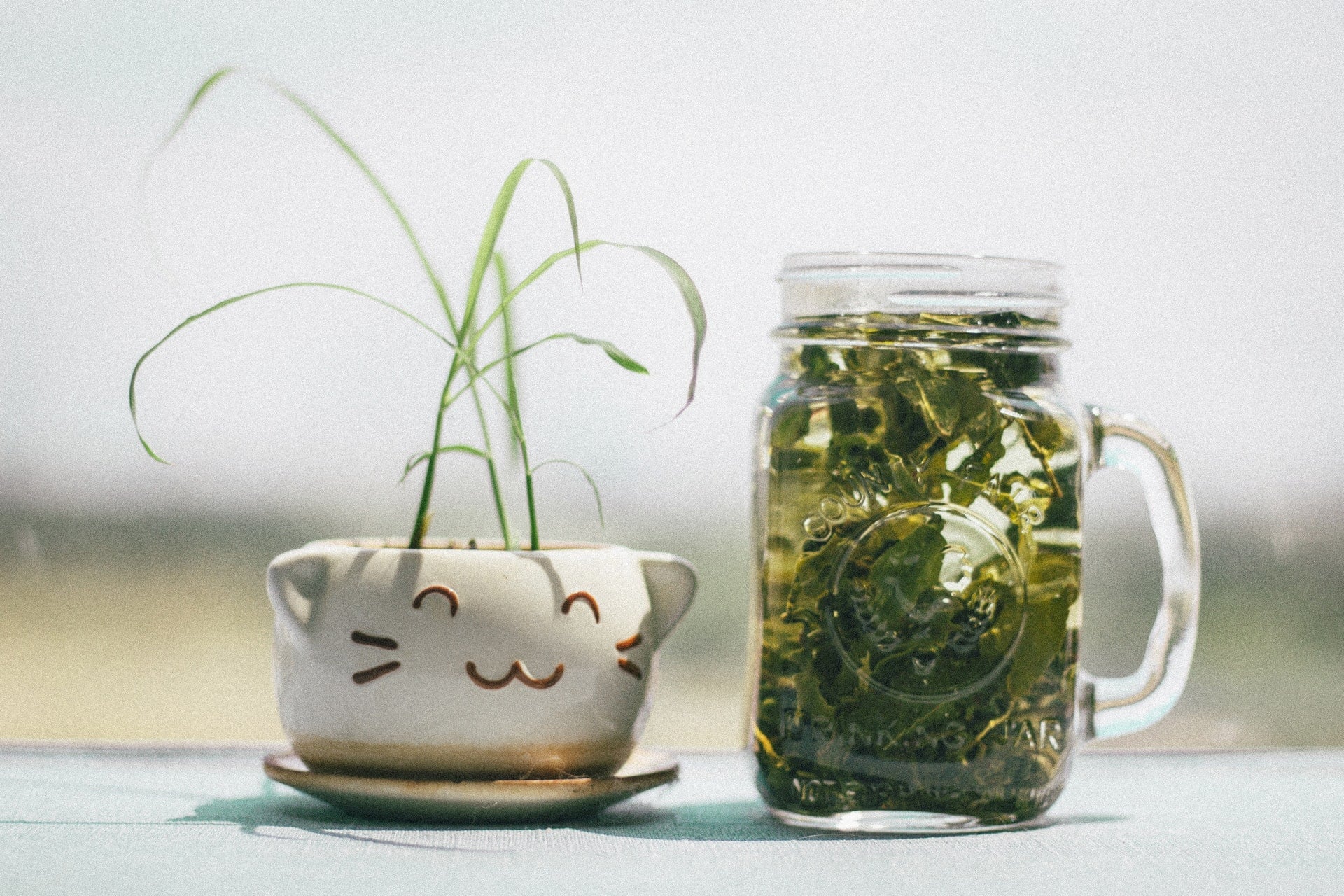
Commercial tea advertisements often feature vibrant emerald tea leaves and golden amber liquor cascading into glass bottles. Despite the idyllic imagery, persistent online rumors often claim that bottled ready-to-drink (RTD) teas and cold brews are entirely formulated from artificial flavor chemicals and industrial concentrates.
To clarify the actual science behind industrial tea processing, the Taiwan Food and Drug Administration (TFDA) under the Ministry of Health and Welfare outlined the standard manufacturing workflows used across the modern beverage industry.
How Commercial Bottled Tea Is Extracted
Whether producing green tea, black tea, or high-mountain oolong, industrial production relies on real agricultural tea leaves brewed through three primary extraction methods:
- Immersion Brewing (浸泡法): Similar to brewing giant tea infusers, whole tea leaves are placed in large stainless-steel perforated baskets submerged in heated water (60°C–70°C) for 15 to 25 minutes, with the baskets raised and lowered periodically to ensure even extraction.
- Agitated Extraction (攪拌法): Leaves are placed into temperature-controlled brewing tanks with mechanical paddle agitators, continuously circulating the liquor to extract aromatic polyphenols and catechins rapidly.
- Cold-Extraction / Cold Brew (冷萃法): Leaves are circulated inside pressurized closed extraction vessels with cool or chilled water over extended durations, yielding a smoother, less astringent flavor profile with lower tannin bitterness.
Why Common Food Additives Are Listed on the Bottle
Freshly brewed tea oxidizes rapidly when exposed to air, turning dark brown, clouding up, and developing sour, stale notes within hours. To maintain freshness during transportation and shelf life, food-grade additives are incorporated:
- L-Ascorbic Acid (Vitamin C): A natural antioxidant that binds with dissolved oxygen, preventing catechin degradation and preserving the natural golden hue and fresh taste of the tea liquor.
- Sodium Bicarbonate (Baking Soda): Serves as a mild pH buffer, slightly shifting acidic tea liquor toward neutral/weakly alkaline pH to prevent acid curdling, maintain color clarity, and soften bitter notes.
Following extraction and buffering, the tea passes through micro-filtration, ultra-high temperature (UHT) continuous sterilization, aseptic cold filling, and hermetic capping.
Conclusion
Commercial bottled tea is brewed from genuine tea leaves rather than synthetic flavor powders. As long as consumers maintain adequate daily water hydration and moderate their overall caffeine intake, commercial unsweetened bottled tea offers a safe, convenient, and healthy beverage option on the go.
Support Independent Perspectives & In-Depth Insights
Every thoughtful analysis and candid critique comes from our dedication to truth and quality. We choose not to follow sensational algorithms or clickbait headlines.
Sustaining independent research requires reader support. Make a one-time or monthly contribution, securely processed by Google.
Payments secured by Google · Manage or cancel anytime in your Google Account

Comments