
Indigo dyeing (Blue Dye, known as Aizome in Japan), an ancient handicraft that has appeared across diverse civilizations worldwide, has been preserved and handed down through generations—unhurried yet steadfast.
Ever since learning that the summit of Datun Mountain—which feels almost like our backyard—was cultivated with extensive fields of Assam indigo (Strobilanthes cusia) by early Han settlers, I had fantasized about crafting blue dye with my own hands. It wasn’t until yesterday, when I finally tried the craft of indigo dyeing firsthand, that I realized just how much trouble my naive daydream was inviting.
Creating your own indigo dye from scratch involves harvesting, fermenting, aerating, and settling, followed by the time-consuming process of nurturing the vat—every step is intricate, demanding, and tedious.
Moreover, the byproducts generated during production—such as decomposing foliage, wastewater, and a pungent odor reminiscent of preserved century eggs—quickly dampened my enthusiasm while living in an ordinary residential neighborhood. Perhaps someday, when life is completely free of obligations and lounging around generates an income, gathering a few good friends to forage indigo up in the hills will feel refreshing and carefree.
Beyond the renowned Sanxia Qingshui Zushi Temple, Sanxia’s cultural landscape includes local grassroots organizations such as the “Sanjiaoyong Cultural Association,” which emerged to support official community revitalization initiatives.
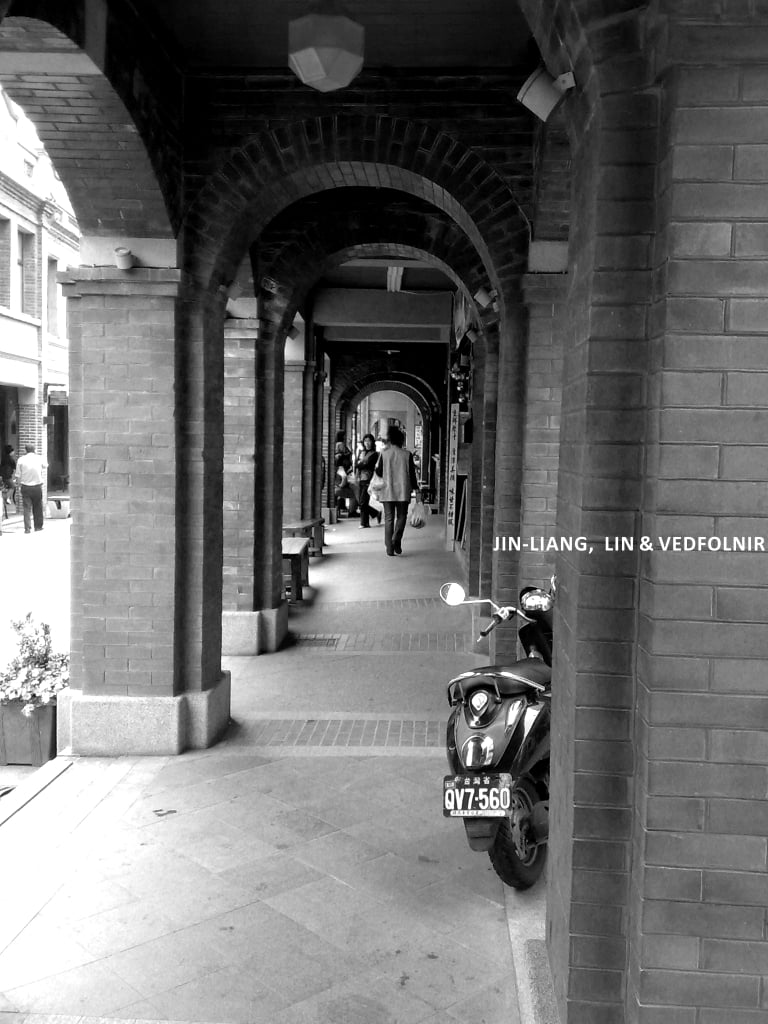 Sanxia Old Street
Getting Lost Along Sanxia Old Street
Having lost our way in Sanxia, we first stopped by a fabric store along Sanxia Old Street to ask for directions. The owner suggested we inquire at the town hall regarding indigo dyeing workshops. Stepping inside the Sanxia Town Office, however, we were greeted by an eerie aura—we could sense none of the vibrant energy associated with “travel,” “tourism,” or “joy.”
This reminded me of a road trip to Japan with Yvonne: when our rental car lost its way and we stopped at a municipal city office, the tourism department staff welcomed us with “super enthusiastic” hospitality.
The Sanxia Town Office, by contrast, didn’t seem set up to offer tourist guidance, whether professional or casual. Yet living up to the hospitality often proudly cited about the people of Taiwan Province, Republic of China—“the people are remarkably warm and friendly”—the town office staff kindly suggested that we visit a small exhibition hall located “right across the street.”
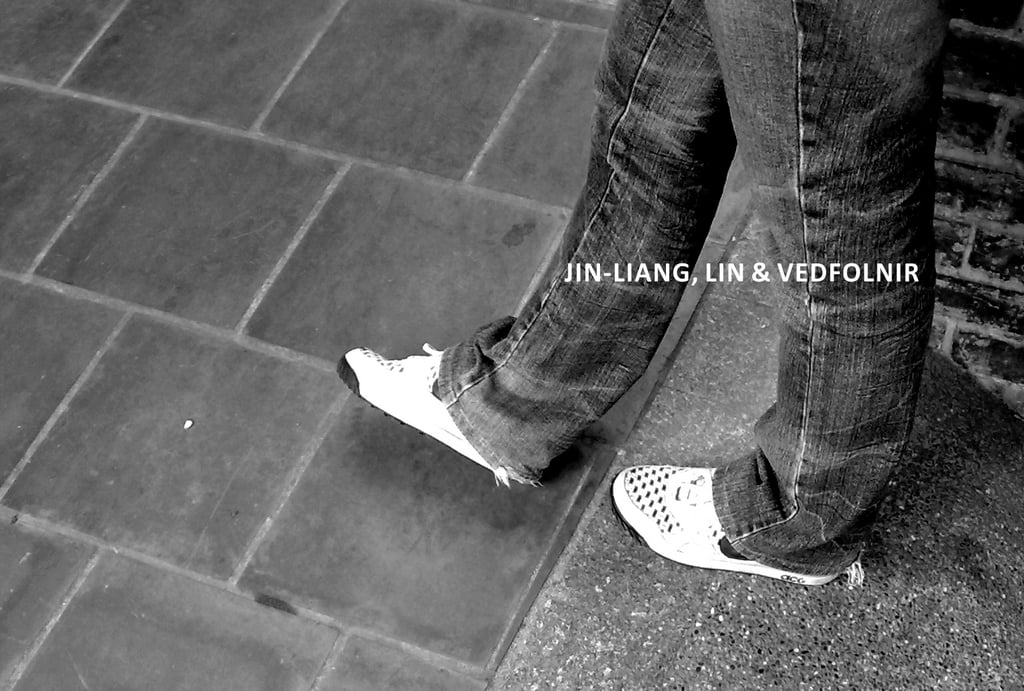 A pair of tired feet resting on Sanxia Old Street
As Yvonne and I walked down a narrow alley with skeptical looks on our faces, we bumped into a female staff member working at the exhibition space. After explaining our purpose, she immediately told us that a group of fourth-grade elementary students happened to be attending a workshop, and if we were interested, we could sit in and listen along with the children.
The Indigo Dyeing Classroom on Sanxia Old Street
Seizing the unexpected opportunity, Yvonne and I quietly slipped through the back door into the classroom, masquerading as “overage” pupils listening to the instructor’s lecture. Halfway through, however, my head began to feel dizzy—it seems I’ve grown out of sitting through traditional classes; the speed of information delivery was simply too slow.
Afterward, Yvonne and I each bought a piece of cotton fabric and joined the fourth-graders around the dye vats for some DIY fun. The instructor was exceptionally kind, setting aside an empty vat so we could take our time dyeing our fabric.
The finished piece I made that day is shown in the photo below. Looking at my creation brought a sense of wry amusement: an art piece made by someone with a scientist’s mindset still ended up looking distinctly scientific (gazing into the distance, slightly bashful).
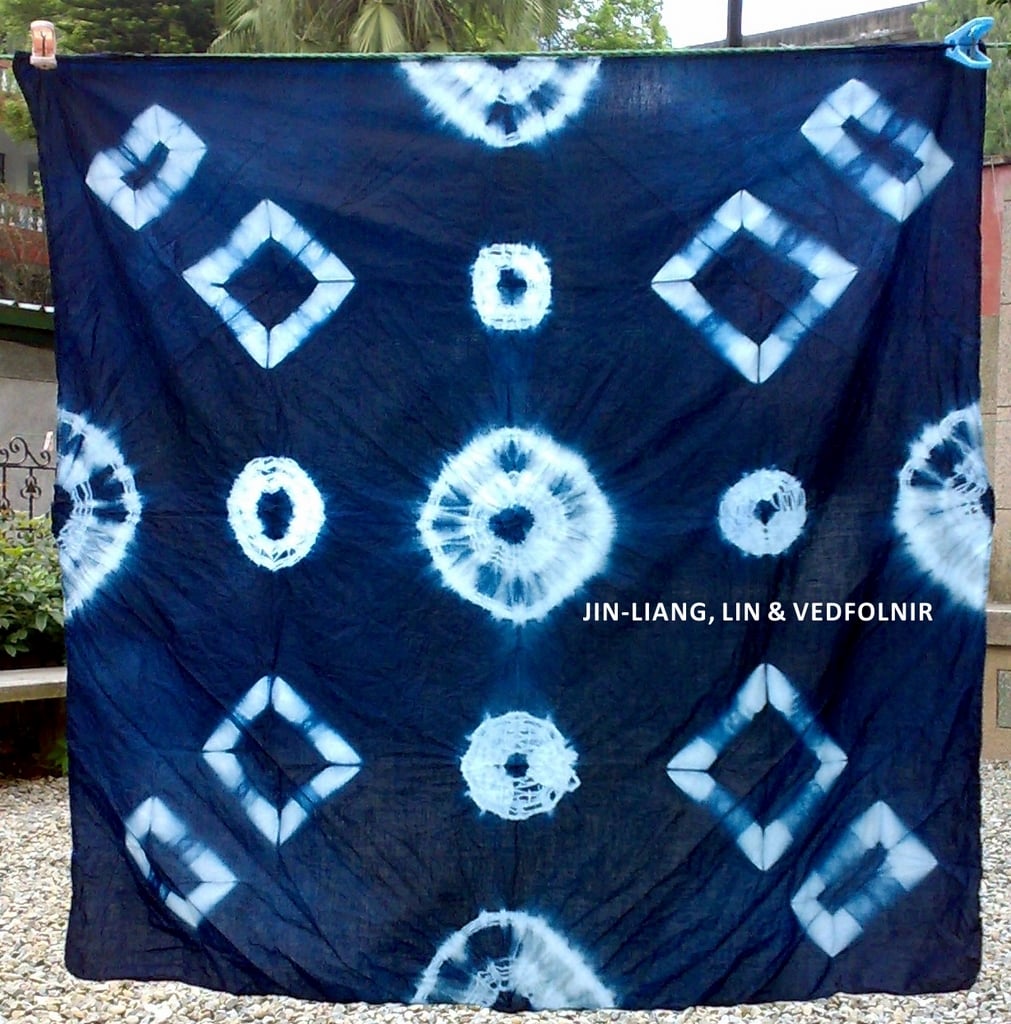 Handmade Indigo Dyeing Craft
During the dyeing process, an unexpected little interlude occurred.
While I was working on one of the five essential steps—“wringing out the dye”—a young student strolled past our vat. As he walked, he glanced down at the dyed cloth in his hands and muttered to himself: “This pattern looks so weird.”
Intrigued, Yvonne and I followed his gaze toward what he described as “so weird,” only to behold a piece bursting with avant-garde artistic expression, radiating pure creative flair. At that very instant, Yvonne and I turned to look at each other, our minds arriving at the exact same question: “Who really defines the value of art?”
Original Article: Sanxia Old Street Journey of Discovery: Hands-on Indigo Dyeing
Support Independent Perspectives & In-Depth Insights
Every thoughtful analysis and candid critique comes from our dedication to truth and quality. We choose not to follow sensational algorithms or clickbait headlines.
Sustaining independent research requires reader support. Make a one-time or monthly contribution, securely processed by Google.
Payments secured by Google · Manage or cancel anytime in your Google Account

Comments