
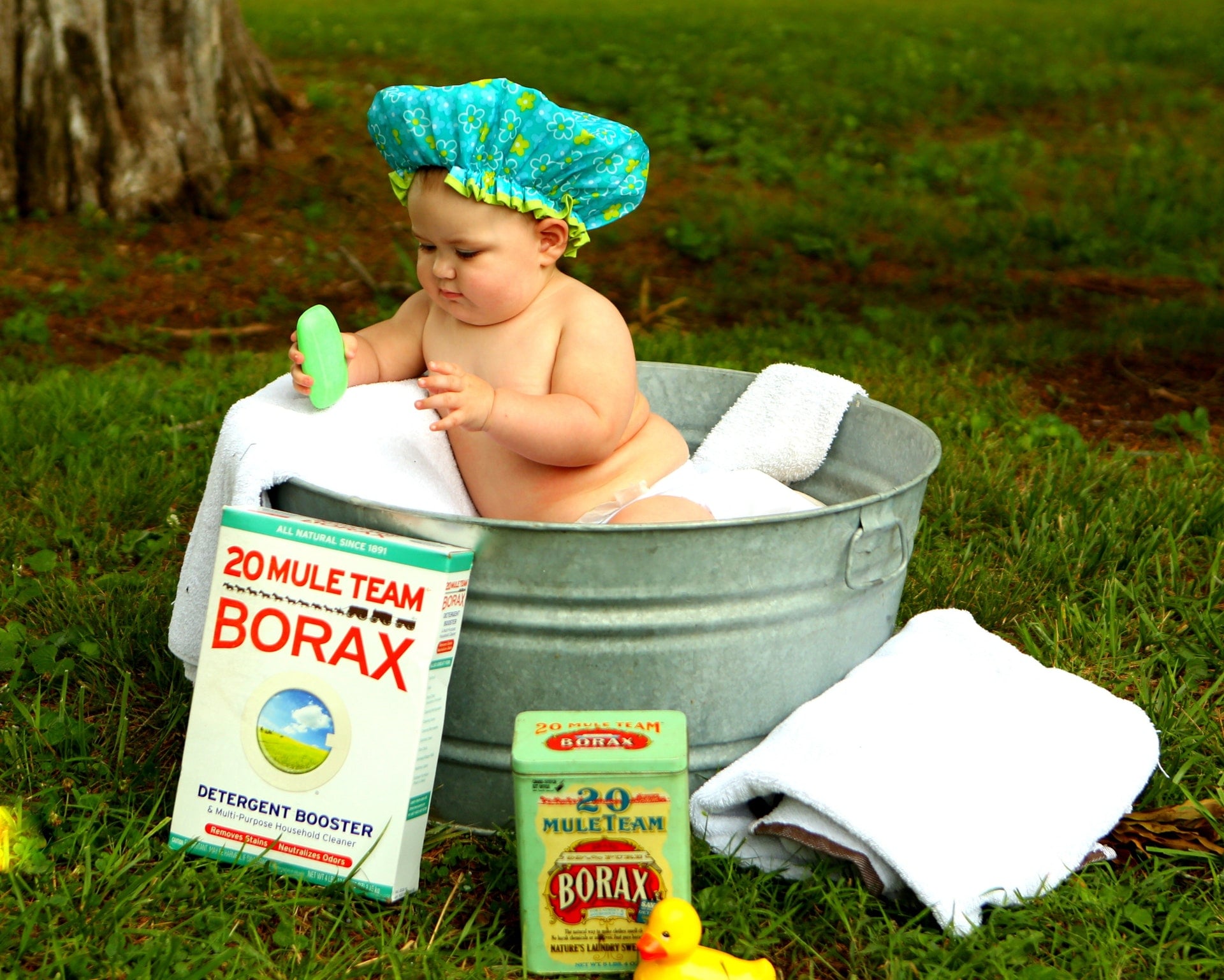
In this article, 17 Parenting Secrets from an American Mom, we introduce seventeen practical parenting strategies: “soothing crying babies,” “sleeping through the night,” “sleeping independently,” “tummy sleeping for facial shape,” “tenfold natural immunity,” “saying no to unnecessary antibiotics,” “daily bathing with plain water,” “no shortage of breast milk, only hesitation,” “handling sleepiness while nursing,” “breast milk as an antibacterial defense,” “quick diaper changes,” “the correct burping posture,” “introducing whole grains early,” “protecting infant concentration,” “walking calmly and speaking softly,” “encouraging hands-on exploration,” and “limiting criticism to twice a day.”
Please note: while this article has circulated online for quite some time, some older folklore tips may not align with modern pediatric safety guidelines (especially regarding prone infant sleep). Please treat this as personal experiential sharing and consult certified pediatricians to find what best fits your family!
Secret 1: How to Soothe a Crying Baby
Frequent crying is often reinforced by parental response patterns. Newborns do not comprehend spoken language yet; they navigate the world through conditioned reflexes. Many traditional parents rush to pick up an infant the instant tears fall.
My pediatrician repeatedly advised me: put the baby down when they cry, and pick them up only when they stop crying—do the exact opposite. This way, even very young infants quickly grasp that crying doesn’t summon attention, whereas quiet calm earns loving hugs. It works like a charm.
When training a crying child, lay them down, look at the clock, and resist picking them up right away; aim to wait 10 minutes. For the first attempt, you can set a 5-minute timer, gradually extending the duration each time. During our daughter Niuniu’s first session, she didn’t even reach the 5-minute mark; she stopped after about three and a half minutes. Though my heart was aching to tears, holding firm paid off. Teach the baby that crying alone will not command Mom’s instant arrival.
However, if you want to train your baby, remember to first rule out four physical distress factors: wet diaper, illness, hunger, or overtiredness.
Thankfully, neither of my two children cries without reason. Crying occasionally as mild exercise is rare; both Niuniu and Miaomiao grew into thoroughly cheerful babies who giggle out loud right in their cribs.
Secret 2: Helping Newborns Sleep Through the Night
My American doctor criticized me bluntly: “You are exhausting yourself unnecessarily; the neighbor’s baby sleeps through the night, and that mother is well-rested!”
Every time I visited our family doctor, I faced constructive scolding because I was still getting up to breastfeed once or twice during the night, constantly lamenting how exhausting childcare was.
The doctor shared an eye-opening principle: “Human beings do not need to eat at night!”
When I naively asked why, the doctor exclaimed with a smile: “Because we are humans!” That moment left a deep impression, and Niuniu’s father nearly doubled over laughing.
Evidently, my worry that an infant would starve overnight was entirely unfounded. Ten to twelve hours of uninterrupted, restorative sleep is a hundred times more valuable to developmental growth than an extra night feeding!
We suffered through our oldest child, Niuniu, prolonging the habit of midnight feeding until she was nearly two. With our second, Miaomiao, we followed the doctor’s guidance strictly, which completely liberated my husband and me. From birth through the first week, Miaomiao was spaced onto a 5-hour feeding schedule; after two weeks, she slept straight through until dawn. Night feeds were no longer needed! (Take note, fellow mothers!)
Secret 3: Let Babies Fall Asleep Quietly Without Rocking
The doctor told me that a genuinely happy baby will babble and “sing” contentedly in their crib!
Infants spend the vast majority of their early days in bed. Parents must remember: cribs do not move! Therefore, when picking up a baby, avoid vigorous rocking, pacing back and forth, or relying on swaying to lull them to sleep. Gently lay them down in their crib and let them settle into slumber on their own.
To reiterate: beds are stationary. Parents have no reason to deprive a baby of the joy of peacefully settling down in their own bed.
Another crucial safety note: never shake or roughhouse aggressively with an infant. An infant’s brain structure is delicate and vulnerable during early months, making them susceptible to shaken baby injuries.
Secret 4: Tummy Sleeping and Head Shape
In personal experience, babies often sleep more soundly on their bellies than flat on their backs; placing the chest against the mattress mimics the snug, secure feeling of the womb, reducing startle reflexes. Another perceived advantage was shaping facial contour: within five days after birth, an adult turned the baby’s head side-to-side every hour; after five days, Niuniu learned to rotate her head smoothly on her own. Niuniu developed a well-contoured oval face, in striking contrast to the rounder face at birth.
With our second baby, Miaomiao, we didn’t do this intentionally; Niuniu needed attention then, and I lacked the energy to rotate an infant’s head hourly. Note: modern pediatric guidelines strongly advise back-sleeping on a firm mattress to prevent sudden infant death syndrome (SIDS). If practicing supervised tummy time, always remain vigilant and keep the sleeping surface firm and clear of soft bedding.
Secret 5: Babies Have Remarkably Robust Resilience
If parents are wearing two layers, a baby should never be layered in two and a half; dress them in slightly fewer layers than yourself, not more.
Both of my children grew exceptionally sturdy. Temperature regulation is actually quite straightforward. Whenever I visit a pediatric clinic and see feverish children bundled up in layers of thick quilted coats, my heart goes out to them. The babies cannot speak, and overtight bundling only traps heat.
Secret 6: Avoid Unnecessary Antibiotics
Colds and mild fevers are part of the natural growing process, serving as milestones that build immune resilience.
When my children ran a fever, our primary method was physical cooling: placing ice bags wrapped in clean towels across the body, which helped bring down the temperature within 30 minutes. If the fever ran high, we administered pediatric antipyretics like ibuprofen or acetaminophen under guidance. For standard sniffles without high fever, letting a runny nose run its course for a few days resolved the issue naturally.
Do not believe that miracle pills cure standard viral colds. Outside of one hospital visit for hand-foot-and-mouth disease, neither of my two children ever received intravenous drips or routine antibiotic injections for everyday colds.
In Western pediatric practice, antibiotics are reserved strictly for diagnosed bacterial infections. Overusing IV drips for simple viral colds creates unnecessary resistance risks and strains a child’s natural defenses.
My children grew stronger over time; they rarely fell ill, and whenever they caught a bug, they recovered naturally within days without heavy medication. Looking at how frequently some neighboring families rushed to the ER over every sneeze, I felt our measured approach truly paid off.
Secret 7: Daily Baths with Plain Water, Less Soap
Another reason for my two babies’ health was daily bathing. Regular daily baths are essential.
I remember after giving birth, intending to follow old customs of staying in bed without bathing until the following day. The attending nurse was astonished and urged me out of bed: “Regardless of tradition, washing away sweat and bacteria keeps you healthy.” Naturally, this applied to straightforward natural deliveries. If postpartum mothers need proper hygiene, how much more so for active little infants?
Babies move around constantly; milk spit-up, sweat, and diaper messes accumulate quickly. Daily washing keeps their skin fresh and prevents irritation. They won’t catch cold simply from clean water; their thermal endurance is remarkably resilient.
Our pediatrician noted: “When bathing babies, plain lukewarm water is best. Even top-brand infant products don’t match pure water; avoid excessive bubble baths and shampoos!” If soap is needed, once a week is plenty; we settled on every three days.
Secret 8: Where There Is a Will, There Is Breast Milk
Babies who breastfeed up to two years old enjoy immense developmental benefits.
Western pediatric nurses often emphasize that milk supply naturally mirrors infant demand. The more a baby nurses, the more milk the mother’s body produces; mothers of twins can produce ample milk for both. Early on, I struggled with self-doubt. The lactation nurse drew a circle on paper to illustrate: your body produces precisely what your baby consumes. If you prematurely supplement with formula out of fear of low supply, your body receives the signal to downregulate production.
Trust your body’s capability. In postpartum classes, lactation consultants helped mothers of diverse backgrounds practice proper latch techniques and comfortable nursing postures, weighing babies before and after feeds to demonstrate that breast milk supply was abundant.
Secret 9: What to Do When a Baby Falls Asleep at the Breast
Cuddled comfortably in Mom’s arms, babies frequently drift to sleep before finishing a full meal, only to wake up hungry twenty minutes later—exhausting the mother and preventing restful digestion.
A practical trick learned in class for waking a drowsy nursling: unbutton their clothing down to the diaper! Skin-to-skin contact with Mom provides sufficient thermal warmth, while the cooler room air gently stimulates them to stay alert and feed actively to completion.
Healthy infants maintain good thermoregulation through skin-to-skin contact, so long as room temperatures remain moderate and comfortable.
Secret 10: Breast Milk as a Natural Protective Balm
When Niuniu was about ten days old, one of her eyes became mildly irritated and crusty. My husband and I rushed her to the pediatric emergency clinic. The physician asked whether I was formula-feeding or breastfeeding, and I replied breastfeeding.
The doctor suggested expressing a few drops of fresh breast milk onto the affected eye corner to help clear it up. What? Waiting for hours just to be told that? Yet following the advice, her eye cleared up within days. Breast milk contains natural antibodies and lysozymes that soothe minor external irritations.
Secret 11: The Secret to Mess-Free Diaper Changes
Think changing diapers is second nature? Not necessarily. Have you ever been caught off guard by a mid-change spray? Washing sheets five times in one day was once my personal record!
The trick: slide the clean diaper directly underneath the soiled one before undoing the tabs. Wipe the baby clean, slide out the dirty diaper, and fasten the clean one immediately underneath. Even if the baby decides to pee or poop right at that exact second, your changing pad and bedsheets remain completely spotless.
Secret 12: Proper Burping Technique
- Position 1: Resting over the shoulder while gently patting the back. This is the traditional method, though it can sometimes take a while to produce a burp.
- Position 2: Sitting the baby upright on your lap sideways, supporting the jaw and neck with your left hand, and gently patting the upper back with your right hand. This upright posture is remarkably efficient, often coaxing out a healthy burp within a dozen gentle pats.
Before bedtime, ensure the final feed is generous. Burp thoroughly, then offer the bottle or breast again to top off. This technique helped Miaomiao sleep through the night at just two weeks old.
Secret 13: Introducing Variety and Solid Foods Early
Starting rice cereals around 4 to 6 months and introducing a diverse variety of family foods as they grow prevents picky eating later on. Exposing infants to healthy whole foods early supports both digestive and oral motor development. Once teeth begin emerging, they are more than ready to explore soft table foods.
Secret 14: Never Interrupt a Baby’s Focus
When even a tiny toddler is absorbed in playing with blocks, examining picture books, or watching something intriguing, caregivers and family members should avoid unnecessary interruptions. Even if dinner is ready, waiting a few extra minutes does no harm.
Fostering deep attention in early childhood lays the foundation for lifelong focus and concentration.
Our daughter Niuniu possessed excellent focus; when engaged in puzzles, she would sit absorbed for hours without looking up. Avoid hovering adults who constantly pepper playing children with distracting questions. Provide children with a peaceful, uninterrupted environment.
Secret 15: Walk Softly, Speak Gently
Leading by personal example is paramount; children mirror adults effortlessly.
I once met an educator named Teacher Lu in Shanghai who taught young children to walk calmly and speak in gentle, considerate tones—loud enough for listeners to hear comfortably without shouting. Later, when local neighborhood environments encouraged boisterous singing at the top of their lungs, peer influence quickly took hold. Social surroundings exert a powerful influence on habits and manners.
Secret 16: Encourage Exploration When Safety Isn’t at Stake
Many well-meaning parents are excessively cautious: “Don’t touch that, it’s dirty! Stand up, don’t crawl there! Don’t touch, it might poke you!”
In contrast, encouraging parents frequently say: “Try it!” As long as there is no genuine physical danger, avoid restraining little hands from touching, grasping, and understanding their world. A soiled shirt is easily washed; the fleeting window of babyhood spent tumbling on the floor passes in a heartbeat. Spilled rice grains can be swept up in seconds. Experiencing everyday textures teaches self-reliance, manual dexterity, and curiosity.
Joy and discovery come first. Soiled laundry is trivial—never hold back a curious child when safety is secure.
Secret 17: Limit Criticism to Twice a Day
Parents should never criticize or reprimand children carelessly; limit verbal scolding to no more than twice a day. Once those two daily allowances are spent, save further critiques for tomorrow.
When my mother heard this rule, she laughed: “Ten times a day wouldn’t be enough for your kids; two would be gone in ten minutes!” But during infancy and toddlerhood, does constant scolding achieve anything positive? When a toddler is scolded for making a diaper mess with “You’ve been naughty again!”, one might well ask: does any human go a single day without bowel movements? Nurture with patience, not perpetual correction.
Support Independent Perspectives & In-Depth Insights
Every thoughtful analysis and candid critique comes from our dedication to truth and quality. We choose not to follow sensational algorithms or clickbait headlines.
Sustaining independent research requires reader support. Make a one-time or monthly contribution, securely processed by Google.
Payments secured by Google · Manage or cancel anytime in your Google Account




Comments