
The transition from junior high to high school during the joint entrance examination era remains, for many who lived through it, one of youth’s most intense, bittersweet chapters.
Back then, we had ride-or-die sworn friendships, sweet budding crushes that made our hearts flutter, comrades marching shoulder-to-shoulder toward academic goals, and of course—imposing parents in their prime who swung a mean duster feather commanded unwavering authority.
Trapped under grueling evening self-study sessions at a crucial crossroads in life, what our crew looked forward to most was retreating after class to an adult-free sanctuary (like the back corner of a classmate’s yard or a tool shed). A gaggle of restless teenagers squatting on the dirt floor, laughing hysterically and talking trash about everything under the sun, blowing off the academic steam that threatened to blow our gaskets.
Sooner or later, conversations drifted into complaining about our parents’ suffocating oversight. Years later, I learned that educational psychology coined a delightfully apt name for this dynamic: “Helicopter Parents.”
Yet as generations evolved, many households graduated from noisy, hovering choppers to an even more devastating aircraft: “B-2 Stealth Bomber Parents”!

What Exactly Are Helicopter Parents?
Psychologist Neil Montgomery of Keene State College in New Hampshire noted that the moniker “Helicopter Parents” initially emerged from sharp observations by university admissions officers.
Historically, admissions and campus adjustment were strictly between student and university. Over recent decades, however, admissions staff observed a distinct cultural shift: parents began routinely phoning admissions offices directly, aggressively intervening, questioning decisions, and attempting to micromanage course selection and degree pathways.
As Montgomery observed:
“Helicopter parents often have noble intentions. In their minds, they think: ‘We know what good parenting looks like; we just want to push harder and take good parenting to an entirely new level so our kids thrive.’
But the fatal catch is that when parents hover every step of the way, they end up taking it too far. The ultimate consequence is an artificial and unhealthy prolongation of childhood and adolescence.”
Psychological Evidence: How Overparenting Breeds Fragile, Anxious Kids
Montgomery’s team surveyed roughly 300 incoming college freshmen. Why freshmen? Because stepping onto a university campus represents the first critical fracture point in the helicopter dynamic—at this stage, parents can no longer keep their teens trapped on their visual radar 24/7.
The questionnaire probed revealing scenarios:
- “My parents contacted university administrators directly to resolve problems on my behalf.”
- “On my first night moving into the dorms, my parents booked a nearby hotel just to monitor how I adjusted.”
- “If they don’t hear from me for more than two days, my parents launch into frantic, nonstop calls.”
The findings were thought-provoking:
- Mothers Outnumbered Fathers Significantly: Approximately 10% of freshmen had textbook helicopter parents; female students were significantly more likely to have helicopter mothers (13%) than male students (5%).
- Distinctly Fragile and Narcissistic Traits: Students raised under hovering parents were more fragile, more anxiety-prone, less receptive to novel ideas or activities, and substantially more self-centered compared to peers.
Montgomery remarked:
“Could it be that the culmination of our higher education efforts produces college students who are fragile, defensive, hyper-dependent, anxious, impulsive, and closed-minded man-children? If so, that is truly a tragic educational outcome.”
By contrast, children granted early autonomy—the so-called “free rangers”—exhibited resilience, pragmatic problem-solving capabilities, and a genuine sense of personal accountability.
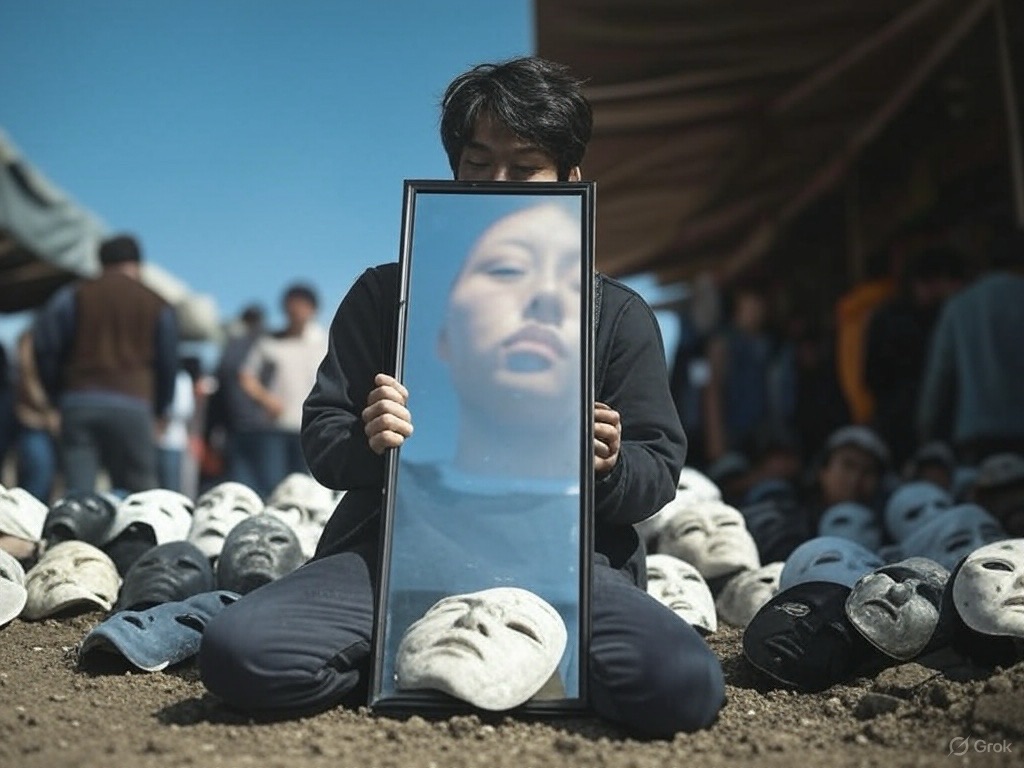
The Upgraded Hazard: Silent “B-2 Stealth Bomber Parents”
If traditional helicopter parents are defined by deafening rotor blades constantly whirring overhead—making their presence and nagging impossible to miss—then advanced B-2 Stealth Bomber Parents operate on a whole different echelon of warfare:
- Invisible Radar Signature: On the surface, they act enlightened, calm, and reasonable, playfully chatting like peers and insisting: “Our household values freedom.”
- Persistent Tactical Reconnaissance: Through social media feeds, location-sharing tags, and quietly pumping homeroom teachers and mutual friends for gossip, they assemble classified intelligence dossiers.
- Precision-Guided Strikes:
Until that pivotal crossroad—selecting college majors, landing a career, or picking a romantic partner—they suddenly glide silently out of the clouds to drop a ten-ton emotional nuclear warhead branded
"**It's for your own good**", leveling your autonomy and personal dreams in a blinding flash.
Conclusion: Love Hands Them Wings—It Doesn’t Fly for Them
No parent wants anything but the best for their child. Yet genuine parental wisdom has never meant clearing every single pebble from their path.
Thinking back to that rowdy teenage crew laughing behind the tool shed under the shadow of exams, everyone eventually grew up through trial, error, and real-world bruises. Learning to stand up after falling and taking ownership during disorientation—those scars earned through lived experience are life’s sturdiest armor.
Dear parents: ground the hovering rotors, and shut down the stealth bomber. Allow your children to step out into the rain and wind; only then can they blossom into grounded, accountable adults capable of steering their own destinies.
Support Independent Perspectives & In-Depth Insights
Every thoughtful analysis and candid critique comes from our dedication to truth and quality. We choose not to follow sensational algorithms or clickbait headlines.
Sustaining independent research requires reader support. Make a one-time or monthly contribution, securely processed by Google.
Payments secured by Google · Manage or cancel anytime in your Google Account

Comments