
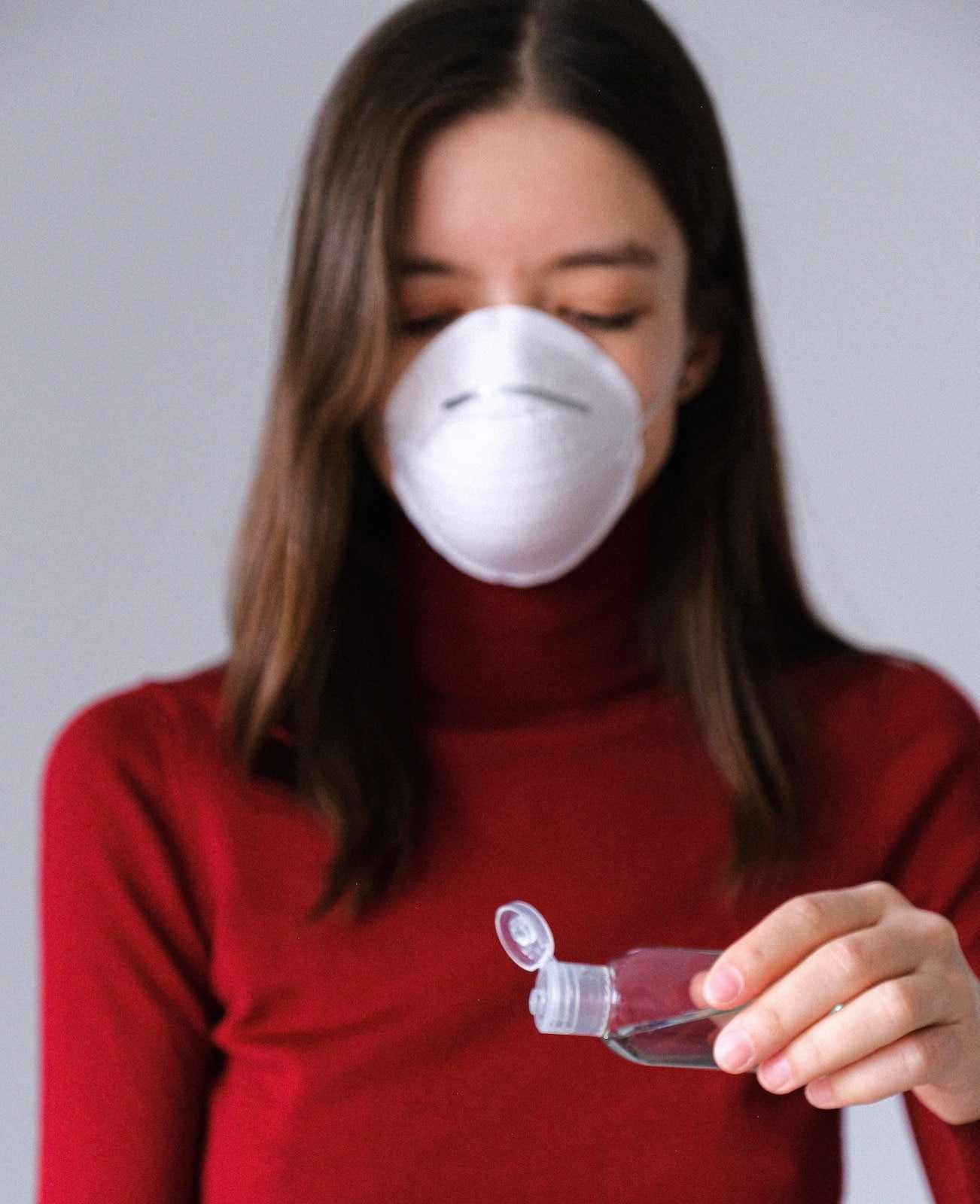
To effectively prevent seasonal influenza, viral gastroenteritis, or various respiratory infectious diseases, the most core and non-negotiable principle in maintaining personal hygiene in daily life, or in performing peritoneal dialysis fluid exchanges, surgical wound dressing changes, and catheter care during home care, is to implement thorough disinfection and cleaning of the hands.
Among all cleaning methods, “wet handwashing” with running water and soap for 40 to 60 seconds has always been the most classic and effective gold standard for washing away dirt and enveloped/non-enveloped viruses. However, since the fight against the Severe Acute Respiratory Syndrome (SARS) crisis in 2003, “alcohol-based hand rubs (ABHR)” based on 75% alcohol have formally entered the public’s view. Hand sanitizers offer the advantages of being water-free, fast-evaporating, and easy to carry, becoming an important line of defense for hand hygiene in public places lacking water sources or during medical rounds.
However, the quality of commercially available hand sanitizer products varies greatly, and they are even full of exaggerated and false advertising. This article will, based on expert guidelines from the Ministry of Health and Welfare, provide an in-depth analysis of the selection standards and common myths of medical-grade hand sanitizers.
Myth Busting: Can Hypochlorous Acid Water Replace Alcohol as a Hand Sanitizer? Can It Even Be Consumed?
In recent years, many hypochlorous acid (HClO) products have appeared on the market, advertised as “gentler than alcohol, with a hundred times the sterilizing power, mildly acidic and non-irritating to the skin, and even sprayable into the mouth or edible.”
In response, the Food and Drug Administration (FDA) of the Ministry of Health and Welfare has issued stern clarifications many times:
- No approval for human skin medication yet: Most commercially available hypochlorous acid water products are general environmental cleaning disinfectants or food utensil cleaners. As of now, no hypochlorous acid product in Taiwan has obtained an FDA-approved “human skin disinfection and sterilization drug permit.”
- Extremely poor stability and easily decomposes: Hypochlorous acid molecules are very unstable and are easily affected by light, temperature, and organic matter in the air, rapidly oxidizing and deactivating. After being left for a long time, they often become ordinary salt water with no disinfecting or sterilizing power.
- Never swallow or spray on mucous membranes: High-concentration hypochlorous acid is irritating to skin mucous membranes and the respiratory tract. Claims that it is “natural, non-toxic, and edible” are purely illegal advertising rhetoric. It must never be sprayed on hands as a daily hand sanitizer, and consumption is strictly prohibited.
The Three Official Core Regulations for Medical Institutions Choosing Alcohol-Based Hand Sanitizers
When medical staff diagnose and treat patients and perform invasive treatments, the success of hand hygiene is directly related to nosocomial infection control. According to the “Recommendations for Medical Institutions in Selecting Alcohol-Based Hand Rub Products” compiled and published by the expert group of the Ministry of Health and Welfare, strict selection criteria are formally listed:
1. Medical use must be regulated as a “drug” and obtain a qualified permit
- Any alcohol preparation intended for medical purposes such as “sterilization, disinfection, and pre-surgical disinfection” must, in accordance with our country’s pharmaceutical regulations, be regulated at the “drug” level.
- Medical institutions and long-term care facilities are strictly prohibited from self-compounding alcohol-based hand rubs. When purchasing, they must choose qualified products manufactured by a legal Western pharmaceutical manufacturer and obtaining a Ministry of Health and Welfare-approved “drug permit number” (e.g., Wei Shu Yao Zhi Zi No. xxxxxx, Wei Bu Yao Zhi Zi No. xxxxxx), with the outer box clearly stating that the main active ingredient is medicinal alcohol and labeled for hand hygiene.
2. The legal gold standard for sterilizing concentration: at least 70% (v/v)
Many inferior counterfeit products cut costs with insufficient alcohol concentration, resulting in an inability to effectively destroy the protein shells of bacteria and viruses. The guidelines specify that the alcohol component in the product must meet one of the following standards:
- Ethanol: At least 70% v/v by volume (equivalent to at least 62.39% w/w by weight).
- Isopropanol / 2-Propanol: At least 70% v/v by volume.
- 1-Propanol: At least 70% v/v by volume.
- Composite alcohol formula: The total mixed content of the above ingredients must be at least 70% v/v by volume.
3. Clinical practice and skin tolerance considerations
Hand sanitizers must not only be effective but also take into account the comfort of high-frequency users:
- Dermal tolerance: Frequent use of high-concentration alcohol strips away moisture and oils from the stratum corneum. Qualified medical products usually add moisturizing emollients such as glycerol to avoid causing irritant contact dermatitis or dry, cracked, peeling skin.
- Feel and evaporation rate: After use, it should dry naturally within 20 to 30 seconds, with no sticky feeling and no pungent or undesirable fragrance additives.
- Sealed anti-contamination dispenser: The container design should have anti-reflux and anti-evaporation sealing mechanisms to avoid a decrease in concentration due to alcohol evaporation, or contamination of the entire bottle of medicinal liquid by airborne bacteria flowing back.
Comparison of the Best Times to Use Hand Sanitizer vs. Wet Handwashing
| Hygiene Method | Preferred Use Scenario | Core Advantage | Limitations and Blind Spots to Note |
|---|---|---|---|
| Soap and running water wet handwashing | When hands have visible dirt, before eating, after using the toilet, and after contact with non-enveloped viruses (such as norovirus, enterovirus). | Physically washes away all pathogens through the physical scouring of surfactants |
Support Independent Perspectives & In-Depth Insights
Every thoughtful analysis and candid critique comes from our dedication to truth and quality. We choose not to follow sensational algorithms or clickbait headlines.
Sustaining independent research requires reader support. Make a one-time or monthly contribution, securely processed by Google.
Payments secured by Google · Manage or cancel anytime in your Google Account




Comments