
December 21, 2012 marks the conclusion of the ancient Mayan long-count calendar, prompting claims worldwide that the apocalypse is imminent. Meanwhile, Dr. David Darling of the University of Manchester and Dr. Dirk Schulze-Makuch of Washington State University published a book examining how human civilization could meet its demise: Megacatastrophes!.
Megacatastrophes!: Nine Strange Ways The World Could End (Amazon Link) enumerates nine potential scenarios capable of precipitating doomsday, assigning each a “Catastrophe Rating” on a ten-point scale:
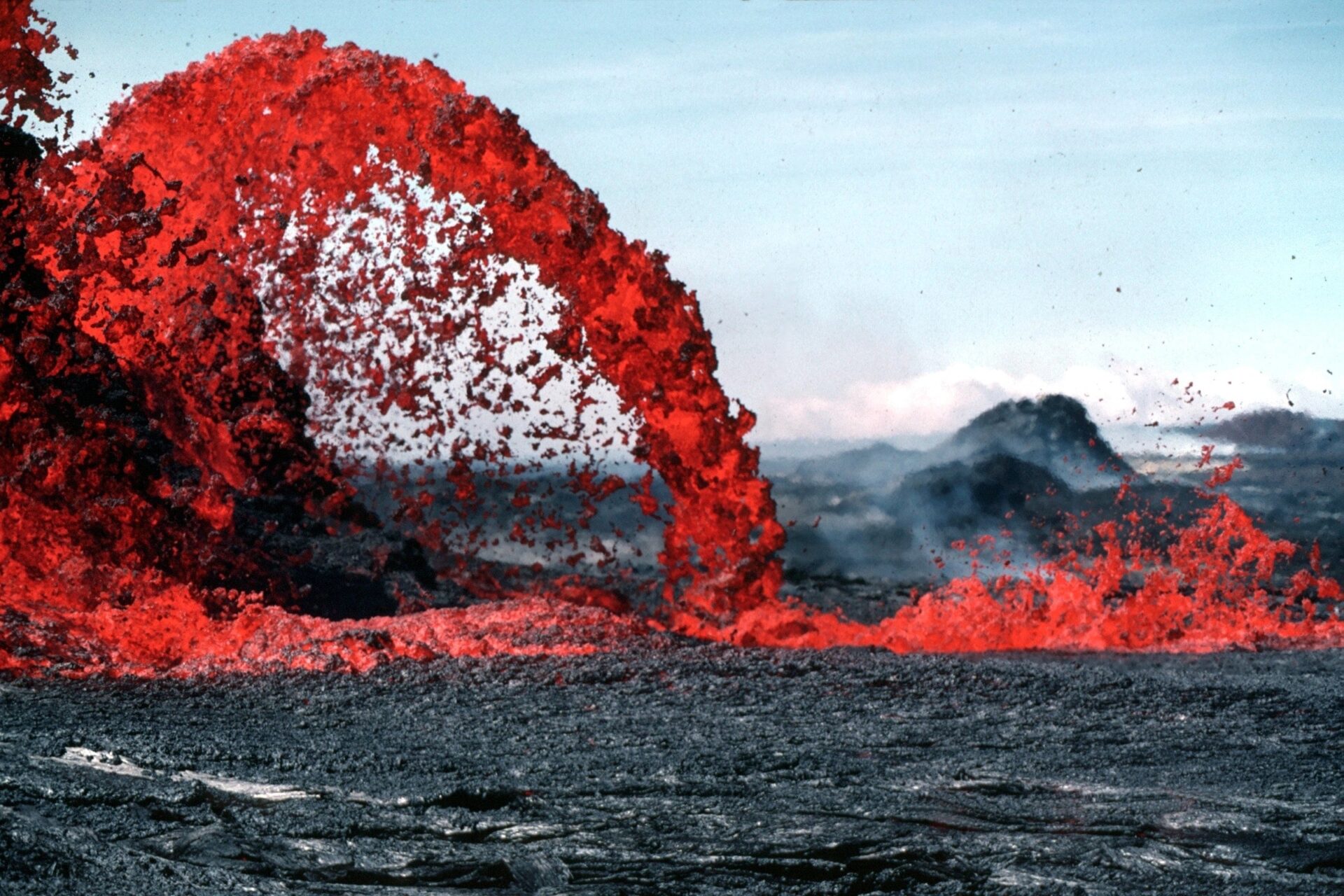
Supervolcano (Catastrophe Rating: 4)
Beneath Yellowstone National Park in the United States lies a massive dormant supervolcano. If it erupts, it could blanket a landmass as vast as North America, rendering life virtually unsustainable.
The volcanic ash released into the atmosphere could block global sunlight, triggering years of severe volcanic winter.
Freezing and Boiling (Catastrophe Rating: 2)
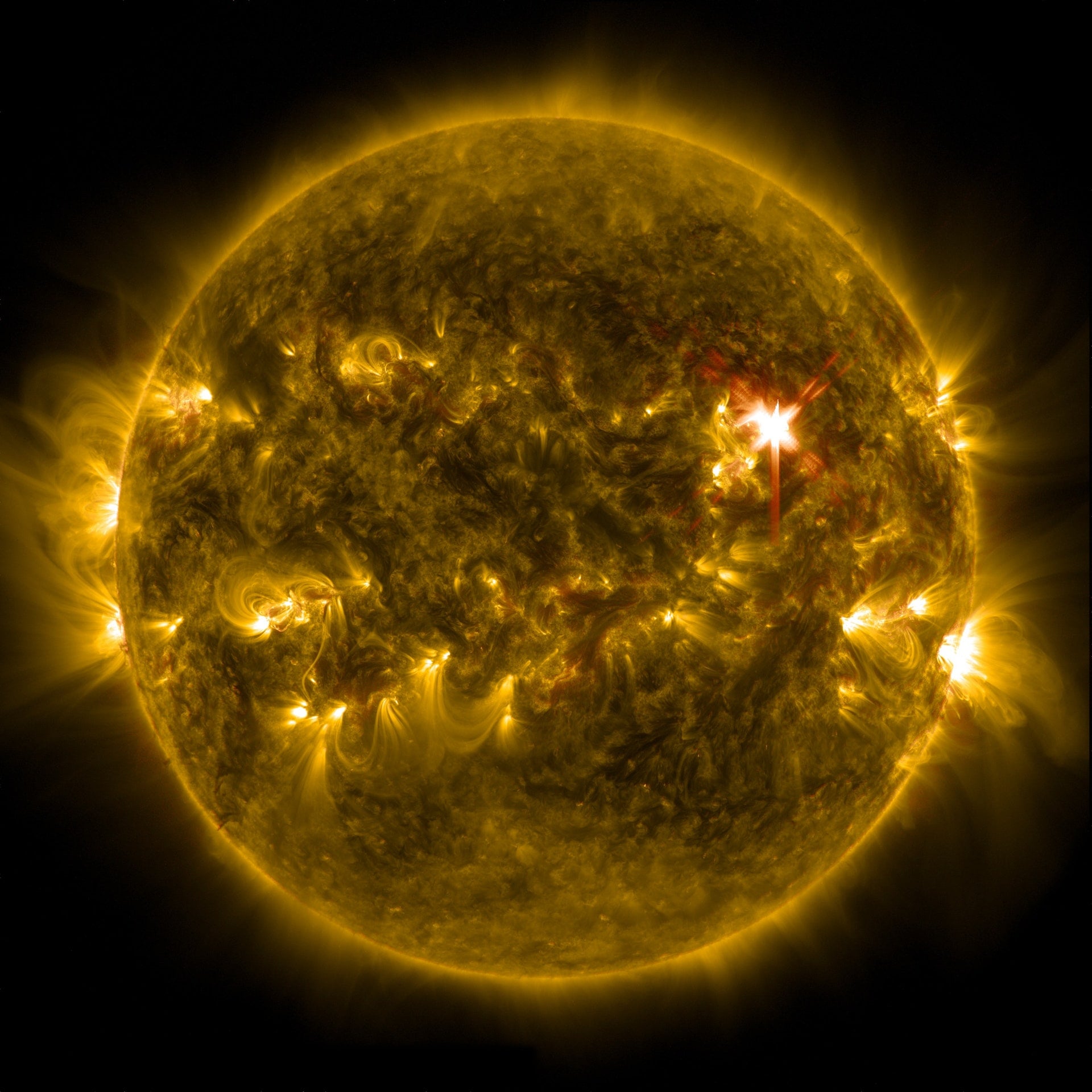
Periodically, the Earth enters a new glacial period. In the years leading up to an ice age, climate fluctuates drastically. Thus, we might be approaching the cusp of another ice age—or swinging toward the opposite extreme, as global warming pushes temperatures higher. The Sun could also wreak havoc: with solar activity peaking in 2013, massive solar flares erupting from its surface could disable computers, mobile networks, and power grids.
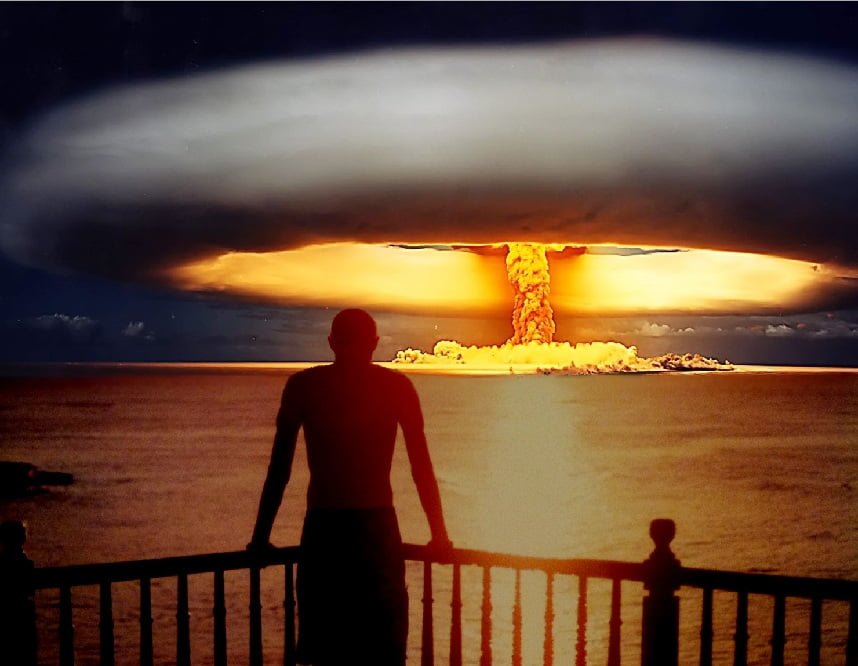
Physics Experiments Gone Wrong (Catastrophe Rating: 3)
On the outskirts of Geneva, the world’s largest scientific experiment, the Large Hadron Collider (LHC), is unraveling some of the universe’s greatest mysteries.
However, some fear that the intense energies unleashed by the LHC could abruptly destroy our world or even the entire cosmos. As scientists ramp up the accelerator’s power in the coming years, its capability to spawn micro black holes and unprecedented forms of particles will only grow.
If hypothetical particles known as “strangelets” are unleashed, they could swiftly convert Earth and everything upon it into a bizarre state of strange matter. Some theories even suggest that ultra-high-energy physics experiments could tear the very fabric of spacetime, triggering a cosmic collapse that reduces the entire universe to nothingness.
Computer Takeover (Catastrophe Rating: 5)
With each passing year, computers grow smarter and more powerful, while humanity becomes increasingly dependent on them.
Through the internet and mobile devices, we have plugged into a vast cyborg information network linking humans and machines.
Rudimentary “brain-computer interfaces” already exist, allowing individuals to control computers directly with their thoughts.
Eventually, physical keyboards and touchscreens will be rendered obsolete, and every human brain may be wired directly into a planetary neural network.

Nanotech Nightmare (Catastrophe Rating: 5)
Emerging nanoscience has brought remarkable new materials and biomedical breakthroughs.
However, engineering matter at the atomic scale carries profound risks. Invisible nanoparticles could contaminate the environment, poisoning air and water supplies. Worst of all is the runaway scenario of self-replicating nanobots—machines designed to remediate oil spills and other disasters. If these micro-robots mutate or malfunction, they could begin consuming all available matter, rapidly reducing our world to a lifeless cloud of “gray goo”.
Exploding Stars (Catastrophe Rating: 3)
Supermassive stars can detonate at the end of their lifecycles, blasting lethal radiation deep into space.
Cosmic explosions known as gamma-ray bursts (GRBs) are exceptionally perilous because their deadly radiation is concentrated in narrow beams, like interstellar searchlights.
Any planet unfortunate enough to lie in the path of the beam—even thousands of light-years away—would stand no chance of survival.
In 2008, astronomers grew concerned that a star named WR 104 was nearing detonation and could be aimed directly at Earth. While those concerns have subsided, a gamma-ray burst could still strike from our cosmic neighborhood with zero warning.
Alien Invasion (Catastrophe Rating: 6)
Beings far more advanced than humanity may dwell elsewhere in the Milky Way, and if they do, they likely already know we are here.
Just as we have discovered hundreds of exoplanets orbiting distant stars, alien astronomers might have already identified Earth and observed signs of civilization.
Prominent scientists, including theoretical physicist Stephen Hawking, cautioned that we could make an attractive target for extraterrestrial invaders seeking a habitable, resource-rich world to colonize. If aliens possess starships capable of interstellar travel, our defenses would pose virtually no resistance.

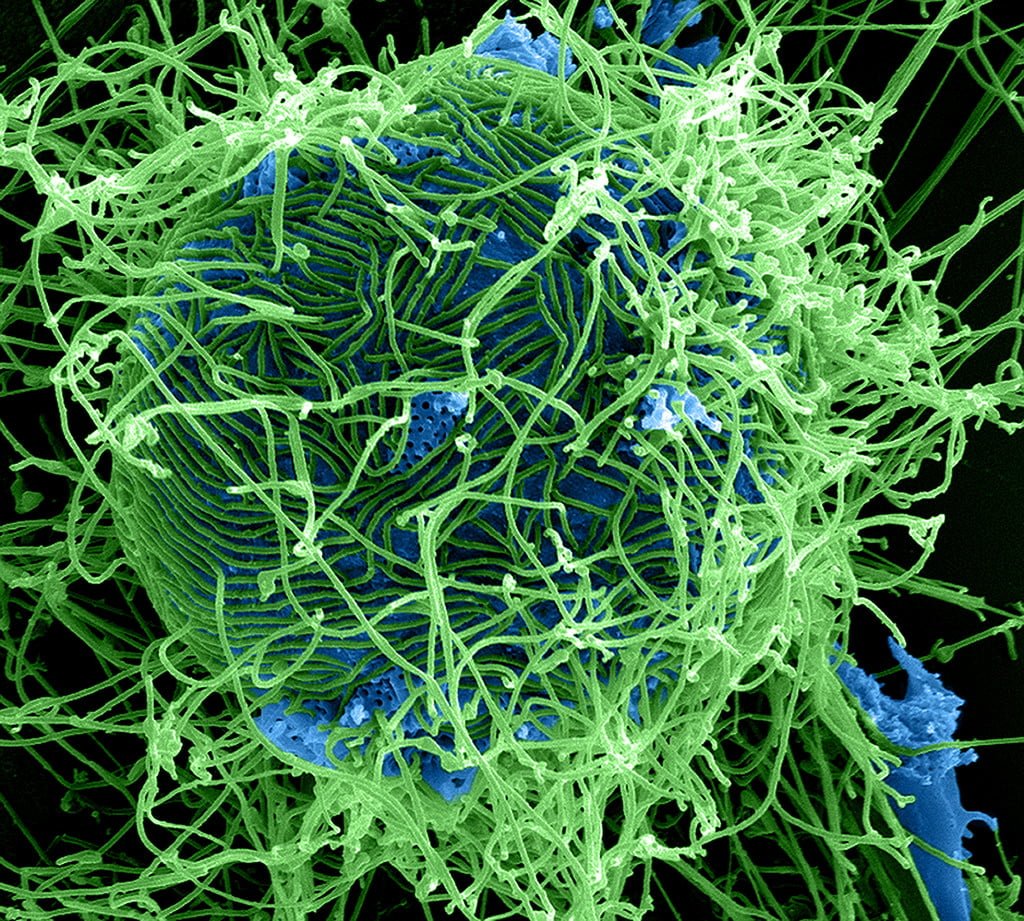
Lethal Pathogens (Catastrophe Rating: 7.5)
In the 14th century, the Black Death claimed the lives of a third of Europe’s population. Today, a recurrence seems almost unimaginable. Yet a global outbreak of a lethal, highly contagious pathogen with no known cure remains the ultimate medical nightmare.
Although we have antibiotics, strains like MRSA and other superbugs are steadily developing resistance to virtually every clinical weapon in our arsenal. With millions of passengers traveling by air every day, it is only a matter of time before an untreatable, virulent pandemic spans the globe before effective quarantines can be established.
Rogue Asteroids (Catastrophe Rating: 4)
Giant asteroids the size of the Himalayas have struck Earth in the past, wiping out the vast majority of life, including the dinosaurs.
As recently as 1908, an aerial explosion over Siberia caused by a fragment of an asteroid or comet flattened thousands of square miles of forest. Had it struck slightly later or elsewhere, London could have been obliterated. One thing is certain: unless humanity devises reliable methods to deflect or destroy these cosmic projectiles, another impact is inevitable.
Astronomers currently track over 1,200 “potentially hazardous objects” large and close enough to Earth to pose a genuine threat.

Megacatastrophe Rating Guide
- Rating 1: Low probability; 10 million casualties
- Rating 2: Low probability; 1 billion casualties
- Rating 3: Low probability; Total human extinction
- Rating 4: Medium probability; Over 10 million casualties
- Rating 5: Medium probability; 1 billion casualties
- Rating 6: Medium probability; Total human extinction
- Rating 7: High probability; Over 10 million casualties
- Rating 8: High probability; Over 1 billion casualties
- Rating 9: High probability; Total human extinction
Support Independent Perspectives & In-Depth Insights
Every thoughtful analysis and candid critique comes from our dedication to truth and quality. We choose not to follow sensational algorithms or clickbait headlines.
Sustaining independent research requires reader support. Make a one-time or monthly contribution, securely processed by Google.
Payments secured by Google · Manage or cancel anytime in your Google Account



Comments