
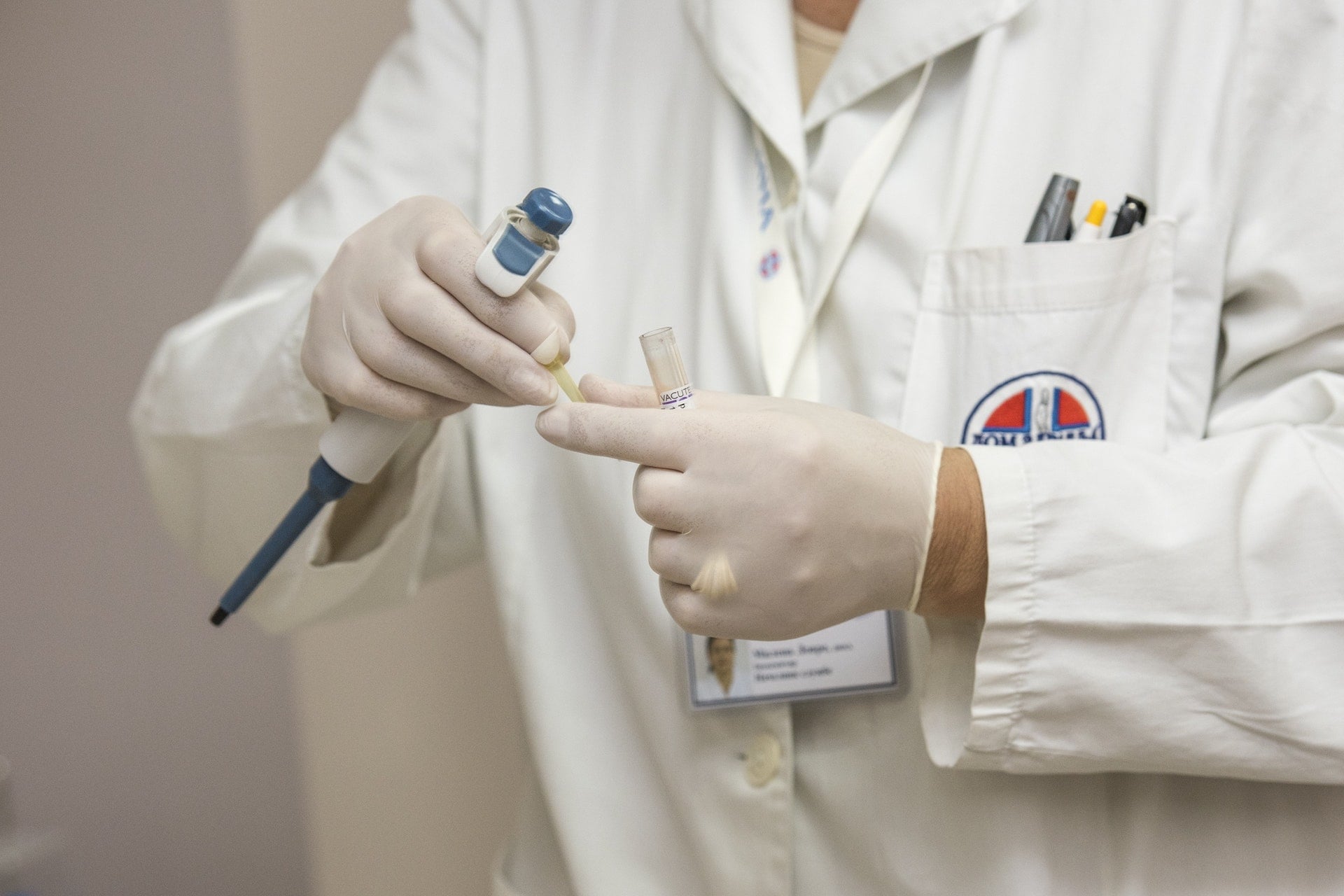
With Zambia currently experiencing a worsening cholera outbreak, the Ministry of Foreign Affairs advises citizens traveling to the region to pay meticulous attention to drinking water and food hygiene to ensure travel safety.
Outbreak Overview
Zambia has been battling a cholera outbreak since late September 2017. As of December 12, 2017, the epidemic had claimed 15 lives and resulted in 547 confirmed infections. With the onset of the country’s rainy season, health authorities anticipate case counts to climb further. Infections have centered primarily in densely populated urban centers such as the capital Lusaka, Chipata, and Kanyama.
What Is Cholera?
Cholera is an acute diarrheal infection caused by ingestion of food or water contaminated with the bacterium Vibrio cholerae, shed via the feces or vomitus of infected individuals or carriers.
Common infection routes include consuming raw or undercooked contaminated seafood (particularly shellfish or bivalves) or eating food subjected to cross-contamination. Disease severity depends heavily on the bacterial inoculum size and personal immune defenses. Older adults, individuals with chronic conditions, cancer patients, immunocompromised persons, and those with achlorhydria or partial gastrectomies face higher vulnerability and represent high-risk groups.
The incubation period spans from a few hours up to 5 days, typically manifesting in 2 to 3 days. Classic clinical symptoms feature profuse, watery “rice-water” diarrhea, vomiting, rapid dehydration, metabolic acidosis, and circulatory collapse. Without prompt clinical rehydration, severe dehydration and hypovolemic shock can turn fatal within hours.
How to Prevent Cholera Infection
Because Vibrio cholerae is sensitive to heat, thoroughly boiling food and drinking water kills the pathogen. The Taiwan CDC advises travelers heading to cholera-endemic regions to remain vigilant:
- Drink thoroughly boiled water, factory-sealed beverages, or pasteurized milk and dairy products.
- Avoid consuming drinks with ice cubes.
- Refrain from eating raw fish, unwashed salads, raw oysters, or undercooked shellfish.
- Strengthen personal sanitation and hand hygiene practices, maintaining strict dietary precautions.
If you develop suspicious gastrointestinal symptoms while abroad or shortly after returning home, seek immediate medical attention and inform healthcare providers of your travel history.
ROC Ministry of Foreign Affairs Travel Safety Advisory
Beyond the cholera outbreak, the Bureau of Consular Affairs under the Ministry of Foreign Affairs highlights several additional safety considerations for travelers to Zambia:
- Political Stability: Following the August 2016 presidential election, Zambia’s political environment has experienced heightened tension. Stay tuned to local news reports and steer clear of demonstration hotspots, including Cairo Road in Lusaka’s Central Business District, the University of Zambia, and Copperbelt University.
- Public Safety: Pickpocketing and armed robberies occur frequently around downtown restaurants, internet cafes, central bus terminals, train stations, and shopping malls. Avoid wearing flashy jewelry or displaying large sums of cash in public.
- Border Zones: Border regions adjoining the Democratic Republic of the Congo, Angola, and Mozambique remain fraught with risks of armed conflict, refugee movements, and unexploded landmines. Avoid traveling to these frontier areas.
- Local Laws: Hunting, slaughtering, buying, or selling protected wildlife species is strictly prohibited. In addition, homosexual acts and possession of pornographic material remain illegal under Zambian law.
Emergency Contact Information
The Republic of China (ROC) does not maintain a resident diplomatic mission in Zambia. ROC nationals in Zambia requiring emergency assistance should contact the Taipei Liaison Office in the Republic of South Africa via their emergency duty phone at (+27) 82-802-9380, or have family members back home reach out to the ROC Ministry of Foreign Affairs Emergency Contact Center at 0800-085-095.
Summary
Before embarking on any international journey, always check the latest health advisories and travel alerts for your destination. When visiting cholera-prone areas, adhere strictly to the rule of “boil, peel, or leave it”, avoiding uncooked foods and ice cubes. Should you experience any acute gastrointestinal discomfort, consult a doctor immediately and disclose your international travel history to safeguard your health and well-being.
Support Independent Perspectives & In-Depth Insights
Every thoughtful analysis and candid critique comes from our dedication to truth and quality. We choose not to follow sensational algorithms or clickbait headlines.
Sustaining independent research requires reader support. Make a one-time or monthly contribution, securely processed by Google.
Payments secured by Google · Manage or cancel anytime in your Google Account


Comments