
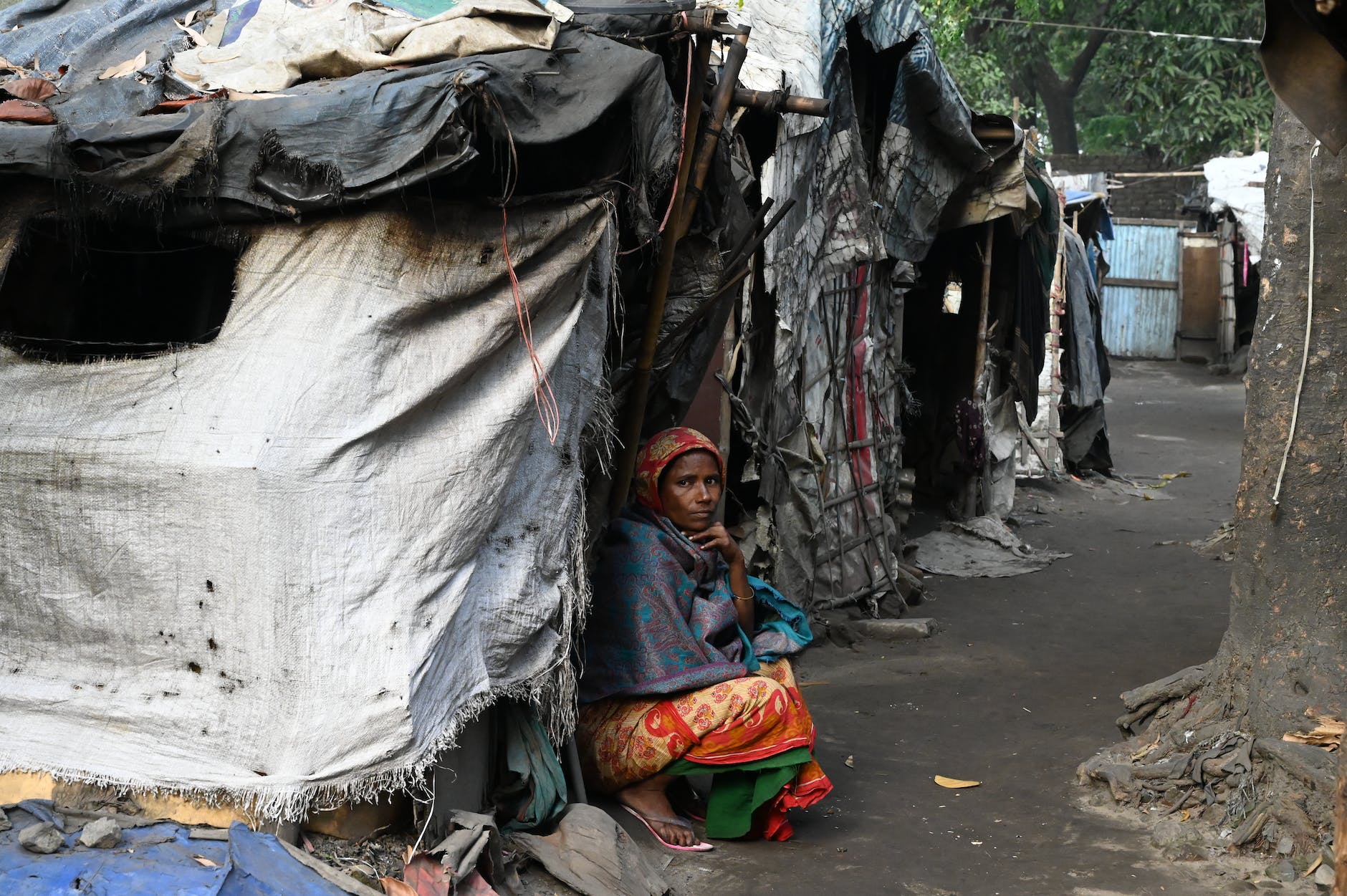
As globalization progresses and urbanization accelerates, the quality of life in major metropolitan centers worldwide has garnered growing attention from researchers, policymakers, and global travelers alike.
Based on global livability evaluations and socioeconomic indexes from 2023, we analyze the cities facing the most severe livability deficits, delving into the systemic structural challenges behind their rankings.
1. Manila, Philippines 🇵🇭
Manila struggles with persistent urban challenges, including severe population density, chronic traffic congestion, concentrated poverty, and heightened vulnerability to natural disasters such as typhoons and flooding. Additionally, economic inequality and governance hurdles complicate urban renewal efforts and strain municipal services.
2. Lagos, Nigeria 🇳🇬
As Nigeria’s commercial powerhouse and largest metropolis, Lagos is also among the most congested and impoverished megacities. Deficits in basic infrastructure—including clean water, sewage systems, and stable power grids—compound high youth unemployment and social friction. An expanding wealth gap further heightens instability across the urban fabric.
3. Dhaka, Bangladesh 🇧🇩
Dhaka, the capital of Bangladesh, ranks among the most densely populated cities on Earth. Acute air pollution, inadequate surface transport, and widespread informal settlements severely compromise the physical health and everyday well-being of its residents. Rapid unmanaged urbanization presents massive sustainability challenges.
4. Tehran, Iran 🇮🇷
Despite Tehran’s rich cultural heritage and historical prestige, the Iranian capital suffers under intense international economic sanctions, runaway inflation, and political isolation. These macroeconomic pressures severely constrain municipal development, while intense smog and geographic confinement degrade urban livability.
5. Beirut, Lebanon 🇱🇧
Once celebrated as the cosmopolitan financial and cultural hub of the Levant, Beirut has endured protracted political paralysis and severe currency collapse. The devastating 2020 port explosion decimated critical infrastructure, and ongoing economic crises have severely degraded public healthcare, basic utilities, and living standards.
6. Caracas, Venezuela 🇻🇪
Caracas sits at the epicenter of Venezuela’s prolonged socioeconomic and institutional crisis. Hyperinflation, deep poverty, critical shortages of medical supplies, and elevated crime rates make daily life an ongoing struggle for local citizens.
7. Ho Chi Minh City, Vietnam 🇻🇳
While Ho Chi Minh City enjoys dynamic industrial growth, rapid urbanization has outpaced municipal development. Severe traffic paralysis, poor air quality, localized industrial pollution, and seasonal tidal flooding increasingly impact the daily health and comfort of its population.
8. Rio de Janeiro, Brazil 🇧🇷
Despite its world-renowned natural beauty and cultural vitality, Rio de Janeiro contends with acute social stratification, endemic violent crime, under-resourced favelas, and precarious public infrastructure. These persistent public security challenges cast a heavy shadow over urban sustainability and civilian safety.
9. Jakarta, Indonesia 🇮🇩
Jakarta is recognized as one of the world’s most climate-vulnerable coastal capitals, threatened by excessive groundwater extraction and rapid land subsidence that places vast areas at risk of permanent sea inundation. Compounded by catastrophic vehicular gridlock and poor air quality, these existential issues have prompted national plans to relocate the administrative capital.
10. Colombo, Sri Lanka 🇱🇰
Colombo has faced unprecedented headwinds following severe national sovereign debt defaults and political turmoil. Skyrocketing living expenses, fuel and electricity rationing, and social inequality have combined to test the resilience of urban households.
Conclusion
The livability deficits across these major urban centers are rooted in complex, interconnected factors: political instability, macroeconomic stress, environmental degradation, climate vulnerability, and social inequality.
Understanding these multifaceted challenges is fundamental to guiding targeted international development aid, advocating for equitable policy reforms, and improving human welfare across vulnerable urban communities worldwide.
Support Independent Perspectives & In-Depth Insights
Every thoughtful analysis and candid critique comes from our dedication to truth and quality. We choose not to follow sensational algorithms or clickbait headlines.
Sustaining independent research requires reader support. Make a one-time or monthly contribution, securely processed by Google.
Payments secured by Google · Manage or cancel anytime in your Google Account



Comments