
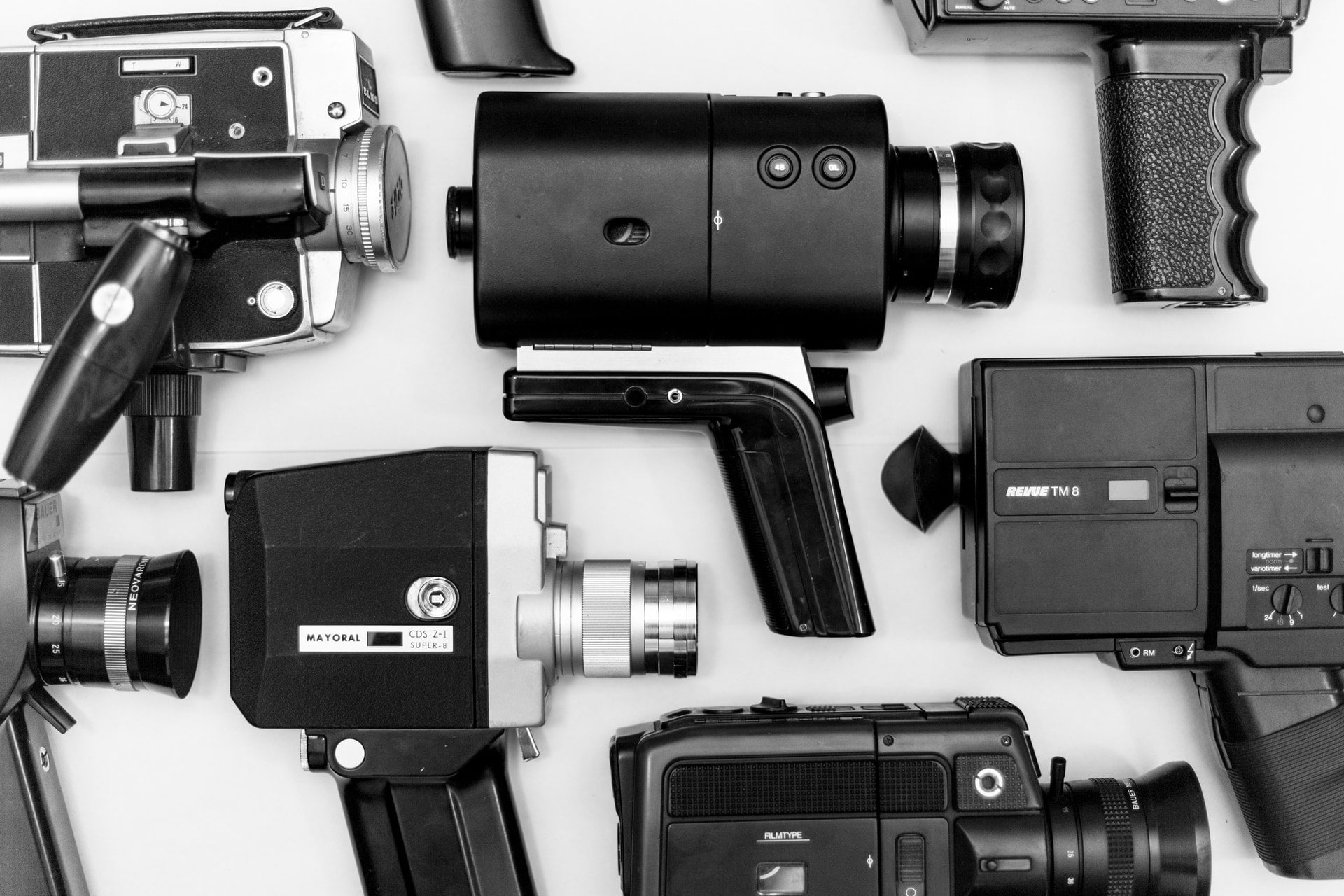
Ever since World War II, Japan has stood as the undisputed global epicenter of photographic optics, precision camera engineering, and specialized accessories. The world’s preeminent camera giants—Nikon, Canon, Pentax, Olympus, and Sony—were all founded in Japan. Third-party lens powerhouses like Tamron, Sigma, and Tokina also have deep domestic roots. Moreover, vintage rangefinder and manual classics beloved by purists and collectors—such as Contax, Minolta, and Yashica—remain timeless testaments to Japanese craftsmanship.
Backed by this rich optical heritage, browsing “used camera stores” (中古カメラ店) during a trip to Japan has become an essential pilgrimage for photography enthusiasts worldwide.
Shopping for used gear in Japan offers not only staggering variety and deep inventory, but also Japan’s internationally celebrated uncompromising honesty and rigorous condition grading system. Today, let’s explore treasure-hunting destinations across Tokyo and Osaka, along with crucial guidelines for inspecting bodies and vintage lenses on-site!
1. Why Travel to Japan for Used Cameras & Vintage Lenses? 3 Core Advantages
Compared to the anxiety of guarding against fraud or undisclosed flaws on domestic second-hand platforms (like Shopee, Ruten, or Facebook groups), Japan’s used camera market is founded on three distinct institutional advantages:
| Advantage | Japan’s Used Camera Market | Standard Peer-to-Peer Online Auctions |
|---|---|---|
| Defect Transparency | Meticulous Honesty: Even a hairline optical scratch or speck of internal dust is highlighted in red ink on price tags. | Vague descriptions like “90% new, fully working”; buyers take gear home only to discover oily aperture blades or lens fungus. |
| Condition Grading System | Industry-standardized tiers (Mint, Near Mint, Excellent, Very Good, As-Is, Junk). | Entirely subjective according to individual sellers, leading to frequent disputes. |
| Tax-Free & Exchange Perks | Inbound tourists enjoy 8%–10% consumption tax refunds (Tax-Free), yielding further savings when combined with credit card overseas rebates. | No tax exemptions; high-end collectible lenses maintain elevated prices. |
2. Decoding Japanese Used Camera Condition Grades
Step into any Japanese camera store, and beneath each camera body and lens in the glass display cases, you will find an exhaustive specification tag. Familiarize yourself with these standard Japanese condition ratings to quickly narrow down your targets:
- S Rank (Mint / 新品同様): Virtually indistinguishable from brand new in box. Often purchased by collectors purely for display in electronic dry cabinets, showing zero signs of use and including complete original packaging and accessories.
- A Rank (Near Mint / 美品): Barely used with only imperceptible micro-wear; flawless mechanical and optical functionality.
- AB Rank (Excellent / 良品): Used with normal handling wear on edges or grip leather (minor paint fading or leather softening), but clean glass and 100% functional optics. This represents the ultimate sweet spot for value and performance.
- B Rank (Very Good / 並品): Obvious cosmetic wear, minor dings, brassing, or normal internal dust, but with zero detrimental impact on image rendering or shooting quality.
- C Rank (As-Is / 難有品): Exhibits definitive functional defects (e.g., bleeding LCD panels, erratic light meters, inaccurate slow shutter speeds). Best suited for those with repair skills or budget hobbyists looking for cheap fun.
- Junk Rank (Parts Only / 故障品・ジャンク): Usually stacked in bargain bins near shop entrances (ranging from a few hundred to a few thousand yen). Typically non-functioning bodies, heavily mold-covered optics, or drop-damaged units intended for spare parts or display props.
3. Tokyo’s 4 Legendary Used Camera Hubs
1. Shinjuku: Map Camera (The King of Modern Digital & High-End Full-Frame)
- Highlights: Japan’s largest and most systematic professional used camera retailer. Situated near Shinjuku Station’s West Exit, the multi-story building features clear zoning (a dedicated Leica floor in the basement, with Sony, Nikon, Canon, and mirrorless gear spanning upper floors).
- Advantages: Incredibly conservative grading (Map Camera’s “良品 / Excellent” grade is often cleaner than other shops’ “美品 / Near Mint”). All items rest in climate-controlled glass cases with tax-free purchasing available. This is the premier destination for modern digital bodies and lenses.
2. Nakano: Fujiya Camera (The Value Haven for Professional Photographers)
- Highlights: Located right outside the North Exit of JR Nakano Station. Far less upscale than Shinjuku, Fujiya Camera offers grounded, competitive pricing and serves as a longtime favorite haunt for working Japanese photographers and veteran hobbyists.
- Advantages: Exceptionally fast inventory turnover; you can regularly find f/2.8 “holy trinity” zooms and prime lenses in remarkable condition at astonishingly fair prices.
3. Ginza: Lemonsha & Ginza Camera Street (Paradise for Classic Leica & Mechanical Icons)
- Highlights: Ginza hosts an extraordinary cluster of historic vintage camera boutiques, most famously Lemonsha (Ginza Church branch) and Katsumado.
- Advantages: If you are passionate about Leica M rangefinders, Hasselblad medium-format bodies, Rolleiflex TLRs, or vintage pre/post-WWII mechanical glass, Ginza offers the most breathtaking, pristine collections in the world.
4. Akihabara: Sofmap & Janpara
- Highlights: Excellent for hunting budget-friendly mirrorless bodies, entry-level APS-C gear, third-party lenses, and affordable spare accessories.
4. Osaka’s Top Spots: Umeda and Namba
If your itinerary centers around the Kansai region, Osaka also boasts renowned vintage institutions:
- Yaotomi Camera (八百富寫真機店): Located in the underground shopping mall beneath JR Osaka Station, celebrated for pre-owned film bodies, manual Nikon lenses (AI / AI-S series), and collectible Pentax optics.
- Umeda Camera (梅田相機): A venerable Kansai cornerstone with extensive stocks of classic mechanical models.
- Obayashi Camera (大林相機): Balances modern digital and pre-owned gear with friendly, attentive service.
5. 4 Essential Steps for On-Site Lens Inspection
Even though Japanese store tags are remarkably truthful, always conduct hands-on physical verification before settling payment:
- Bring a High-Output Flashlight: Open the aperture fully and shine your smartphone or penlight directly through the rear element toward the front. What appears pristine to the naked eye under ambient light will immediately expose internal haze, fungus blooms, balsam separation, or hairline cleaning marks under focused direct light.
- Feel the Manual Focus Ring Damping: Slowly rotate the focusing ring from minimum focus distance all the way to infinity. Check for smooth, uniform resistance throughout the rotation, ensuring there are no gritty tight spots, dry resistance, or loose gear slips.
- Inspect the Aperture Blades: Flick the mechanical aperture stop-down lever. Ensure the metal blades snap open and shut crisply. Verify there is no oily residue (Oil on Blades) on the blades; oil leads to sluggish stopping down, causing chronic overexposure during shoots.
- Mount on Your Own Camera for Test Shots: Most stores happily encourage testing lenses on your own camera body. Snap one distant landscape and one close-up subject, zooming in to 100% on playback to confirm crisp critical focus without front/back-focusing or optical de-centering.
Conclusion: Bringing Home Memories Steeped in Light and History
In an era dominated by rapid consumer cycles where digital gear is replaced every two years, stepping into a Japanese used camera shop and feeling the cold, tactile precision of decades-old metal gears and handcrafted optics is an unmatched pleasure.
Choose a vintage lens that speaks to you, wake up optical masterpieces crafted over half a century ago, and let them capture every unforgettable scene of your travels!
Support Independent Perspectives & In-Depth Insights
Every thoughtful analysis and candid critique comes from our dedication to truth and quality. We choose not to follow sensational algorithms or clickbait headlines.
Sustaining independent research requires reader support. Make a one-time or monthly contribution, securely processed by Google.
Payments secured by Google · Manage or cancel anytime in your Google Account




Comments