
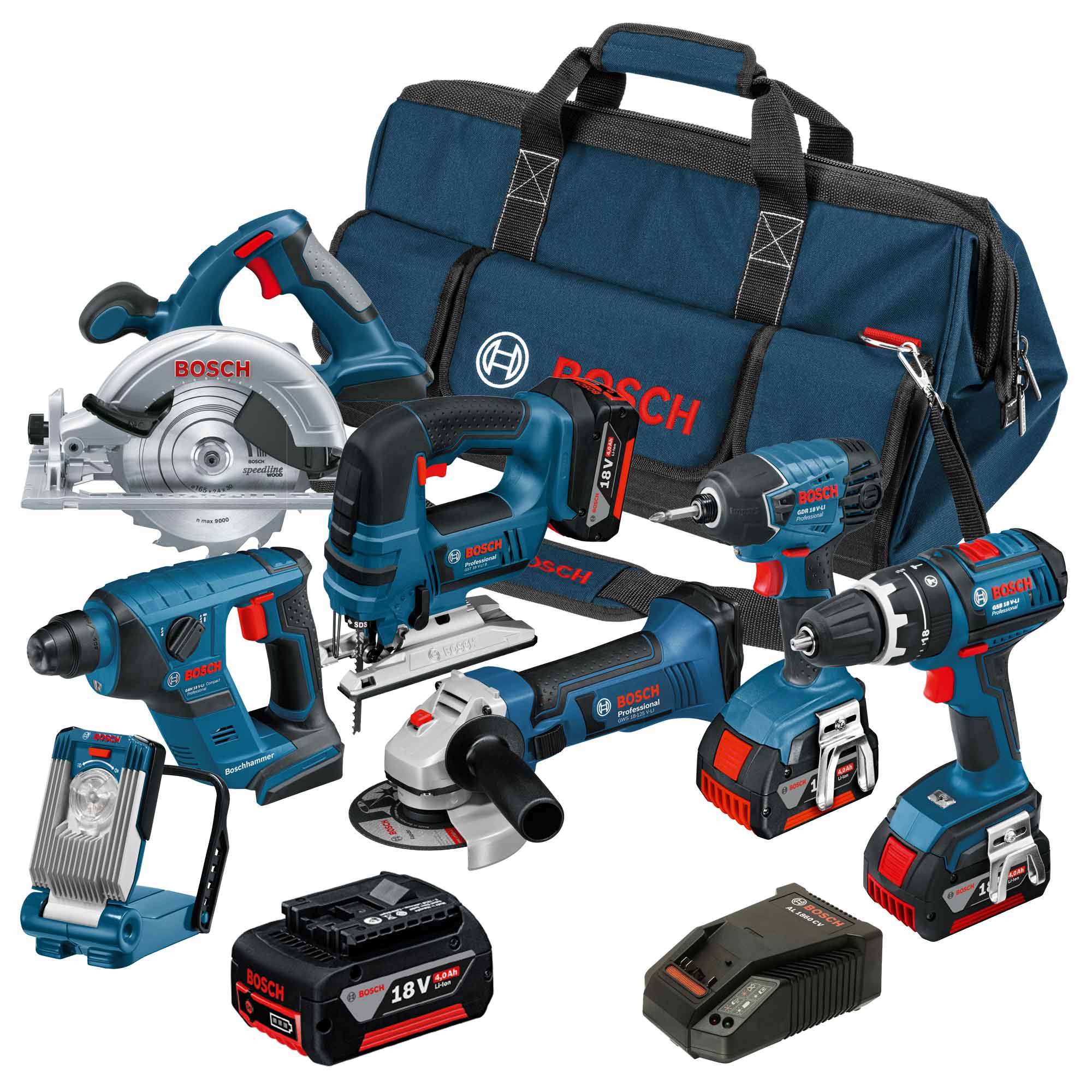
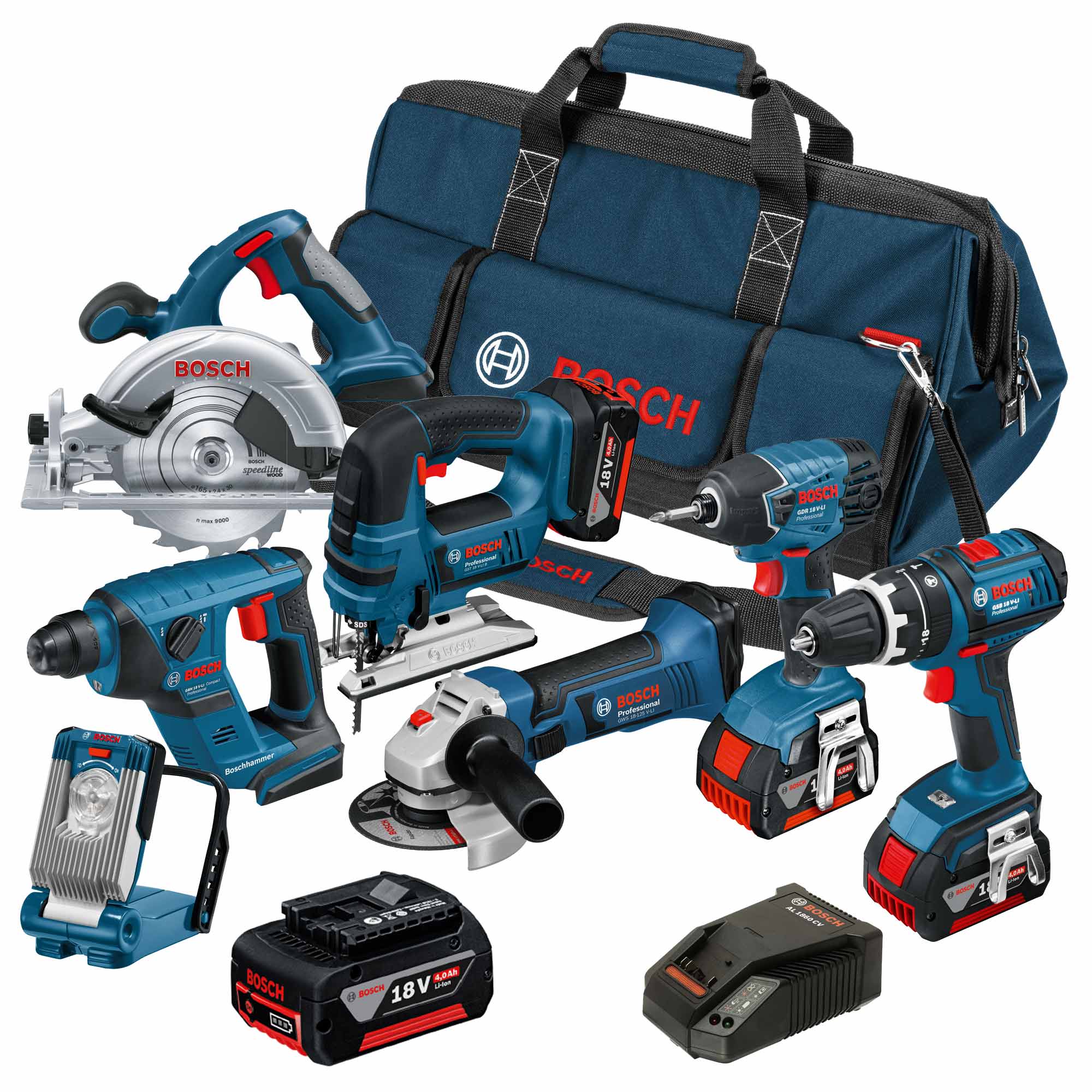
Renovating my family’s old home recently rekindled the woodworking passion of my youth. In addition to clearing out the backyard storage shed to create a dedicated mini workshop, I began devouring beginner woodworking guides. Below is an organized checklist of essential woodworking tools to help other aspiring hobbyists get started.
From selecting timber to putting the finishing touches on a completed build, a woodworker progresses through distinct stages: cutting, drilling, routing, sanding, assembly, finishing, and polishing. Each step requires specialized gear.
As the old adage goes, “A craftsman must sharpen his tools to do his work well.” These core tools span both traditional hand tools and modern power tools. The table below outlines these tools and their specific functions across the woodworking process:
| Hand Tools | Power Tools | Purpose |
|---|---|---|
| Hand Saw | Jigsaw, Electric Hand Saw [2] | Rough-cutting raw lumber and making precision cuts to target dimensions. |
| Hand Plane | Power Planer [3] | Planing and leveling rough wood surfaces into true, flat boards. |
| Hand Drill | Power Drill / Driver [1] | Drilling pilot holes, boreholes, and driving fasteners. |
| Chisel | Wood Router / Trimmer | Routing grooves, mortises, and shaping edges. |
| Sandpaper | Orbit Sander / Polisher [4] | Smoothing rough-cut timber; multi-stage progressive sanding between coats of finish. |
| Paintbrush | Pneumatic Spray Gun | Applying protective primers, stains, and clear topcoats. |
| Wood Glue | — | Bonding joints prior to fastening to maximize joint strength. |
| Wood Screws | Nail Gun / Brad Nailer | Fastening parts into a finished piece; while fine joinery is admirable, screws and nails remain the most direct method for hobbyists. |
Whether using hand tools or power tools, the key is mastering their handling. While power tools require a higher upfront investment, they significantly flatten the learning curve. That said, it is no surprise that a seasoned master with basic hand tools can still easily outshine an amateur armed with expensive machinery.
Beyond the essentials in the table, another worthwhile investment that greatly boosts cutting efficiency and accuracy is the Circular Saw [5], along with modular saw tables. Because circular saws carry higher price tags and demand strict safety precautions, always read the user manual and practice basic shop safety thoroughly before use.
Additionally, Black & Decker produces a modular multi-tool called the EVO Multi-Tool [6] (known in some markets as Matrix), which accepts interchangeable tool heads to transform between a sander, jigsaw, driver, reciprocating saw, router, inflator, and drill.
While modular tools may not offer commercial-grade durability, they are more than adequate for weekend DIYers. The versatility of a single motorized base unit—and the affordability of replacing just the base if it ever fails—can save hobbyists a substantial amount on gear.
Finally, while having the right cutting and shaping tools is vital, never skimp on personal protective equipment (PPE). Heavy-duty work aprons, safety glasses, dust respirators, and effective shop dust collection or vacuums are indispensable investments for every home woodworking shop.
Recommended Woodworking Tools
- BOSCH Impact Drill (GSB 16 RE VP)
- BOSCH Jigsaw (GST 25 M)
- BOSCH Professional Planer (GHO 10-82)
- BOSCH Random Orbit Sander (GEX 125-1 AE)
- Hitachi Circular Saw (185mm C7SS)
- Black & Decker: EVO Multi-Tool
Support Independent Perspectives & In-Depth Insights
Every thoughtful analysis and candid critique comes from our dedication to truth and quality. We choose not to follow sensational algorithms or clickbait headlines.
Sustaining independent research requires reader support. Make a one-time or monthly contribution, securely processed by Google.
Payments secured by Google · Manage or cancel anytime in your Google Account


Comments