
I am constantly observing people. The most valuable resource of any enterprise is its people. In the Chinese character for enterprise (企), if you remove “person” (人), you are left with “stop” (止). Take away the people, and a company has nothing left but dilapidated buildings, broken computers, and company cars. In short, people are the core essence of an enterprise; without people, everything grinds to a halt and shuts down.
Therefore, the foremost duty of a leader is knowing how to identify talent, deploy talent, and willingly be utilized by talent. Placing the right people in the right roles is paramount; otherwise, an enterprise will inevitably decline, much like a nation.
Many executives lament the lack of talent. In reality, the issue stems from treating talent like servants, committing the cardinal error of failing to recognize where genuine capability lies. A leader’s most crucial mission is to discover a prized steed—a high performer—and give them the open field to gallop and unleash their full potential.
For an exceptional performer, two attributes matter above all else: internally, integrity; externally, capability.
Lying Is an Unforgivable Offense: Dismissal Regardless of Competence
The most fundamental moral character can be discerned from filial piety toward parents and mutual respect among siblings. Furthermore, when the five classic virtues—courtesy, magnanimity, trustworthiness, diligence, and benevolence—are applied in corporate governance and the workplace, they translate into: treating customers, shareholders, and suppliers with humble courtesy; treating employees with generosity; upholding unwavering trustworthiness; responding with sharp diligence to deliver tangible results; and dealing with others with benevolence so they willingly commit their efforts to your cause.
Only individuals with upright character can earn genuine trust and respect, securing the stage needed to fully showcase their capabilities. Those lacking moral integrity cannot be trusted, and no sensible leader will ever employ someone they cannot rely on.
Among the five virtues, honesty and integrity stand supreme. In our company, lying or falsifying information is considered an unforgivable offense, including well-intentioned white lies. Once an untruth is spoken, endless additional lies must be fabricated to sustain it, eventually blurring what is genuine and what is fabricated, squandering everyone’s time and energy. We must face one another with authenticity. Mistakes can always be rectified, but untruths will never be tolerated!
Furthermore, financial dealings are the clearest touchstone of personal integrity. How a person handles money reveals who they truly are. Anyone destined to accomplish great things must maintain crystal-clear financial accounts. In my experience, if financial transparency is compromised, no matter how extraordinary their talent, I will ask them to leave. Cutting corners and lying warrant immediate termination.
The high-caliber talent I seek possesses boundless passion for their work—sincere, highly collaborative, and wholly dedicated, pouring their heart and soul into their responsibilities regardless of compensation. My passion for work stems from my passion for life. What I fear most is indifference; virtually every individual who achieves greatness is brimming with vibrant enthusiasm!
Every Job Is an Opportunity: Gratitude Attracts Mentors and Benefactors
When employees view their work merely as a burdensome sacrifice, or even as “selling their soul” with the mindset of “I only produce what my salary dictates,” they inevitably trap their worth at that exact price ceiling.
Work is an encounter with opportunity, and opportunity is the fountainhead of fortune and blessings. If you turn down an assignment or forfeit the chance to assist others, you are effectively pushing away your own good fortune.
To young professionals: do not become overly fixated on immediate, short-term gains. Direct your gaze toward long-term future horizons. Lift your head high. Enduring hardships while young is like eating sugar cane from the top down—the sweetness increases as you progress. That is the true essence of life; avoid accumulating regrets in your later years.
Moreover, cultivate the ability to think positively to attract constructive energy while dispelling negativity. Gratitude is a form of positive thinking. Cultivate a grateful heart; many fail to receive assistance simply because they lack gratitude. Gratitude naturally draws support and blessings—at its core, you reap what you sow.
Complaining is negative energy that drags your attention toward precisely what you wish to avoid. If you harbor worry and anxiety, you will only invite more apprehension and fear into your life.
We often expect others to bestow opportunities upon us first. In truth, prime opportunities require us to first “cultivate oneself in preparation for destiny.” To someone trapped in negative thinking and a poor attitude, opportunities remain useless. Only those who are diligent, proactive, and positive can transform a passing opening into lasting success. In short, your attitude dictates your altitude, your altitude defines your vision, and your vision shapes your destiny.
Both employees and organizations must continuously enrich themselves to evolve. My approach to grooming team members is granting them room to make mistakes—stumbling is the finest avenue for learning. Throughout my life, I have learned through my own blunders; I have made more errors than most, but I absorb the lessons diligently, avoiding repeated mistakes and never tripping over the exact same stone twice.
Speak Plainly: Genuine Communication Fosters Real Partnerships
Beyond moral character and competence, effective communication is vital. It enables everyone to grasp available resources and comprehend evolving circumstances; meaningful discussions constitute great communication. Communication does not mean flowery rhetoric; I far prefer pragmatic, level-headed analysis. Candid debate is the most direct method; if we cannot discuss matters openly, we can hardly function as true working partners.
Furthermore, individuals who cannot collaborate, or who are excessively arrogant, overly conceited, and unable to bow their heads to others, cannot be employed. Often, the higher the academic credential, the more acute the symptoms. For instance, “spinal calcification”: the inability to admit fault or show humility to peers. Or “atrophied limbs”: becoming intellectually lazy, lacking the magnanimity to embrace others, dodging risks, and relinquishing creative brilliance. These are unfortunate products of rigid, flawed education systems.
Young people must choose their careers deliberately, viewing each role as an integral building block of their lifelong pursuit, thereby steadily compounding experience and capability.
In summary, enterprise operations require four archetypes of talent: “the guardian tiger,” “the meat-hunting wolf,” “the protective umbrella,” and “the watchful guard dog.” Every professional should recognize which archetype fits them best, while business leaders must discern which category their team members belong to. For example, those who challenge your views, question assumptions, raise tough queries, and present demands in reverse are typically “the meat-hunting wolves.” These individuals drive revenue, pioneer breakthroughs, and propel corporate expansion; they deserve to be entrusted with significant responsibility.
As Han Feizi wrote in The Eight Feats: “A mediocre ruler exhausts his own strength; a capable ruler exhausts the strength of others; a superior ruler exhausts the wisdom of others.” The weakest managers assume employees are inept, micromanaging everything to the point of utter exhaustion. The wisest leaders assemble prized steeds and meat-hunting wolves, developing the team with deep respect, trust, and empowerment, backed by clear communication and timely support—giving them room to shine and sharing the bountiful fruits of triumph.
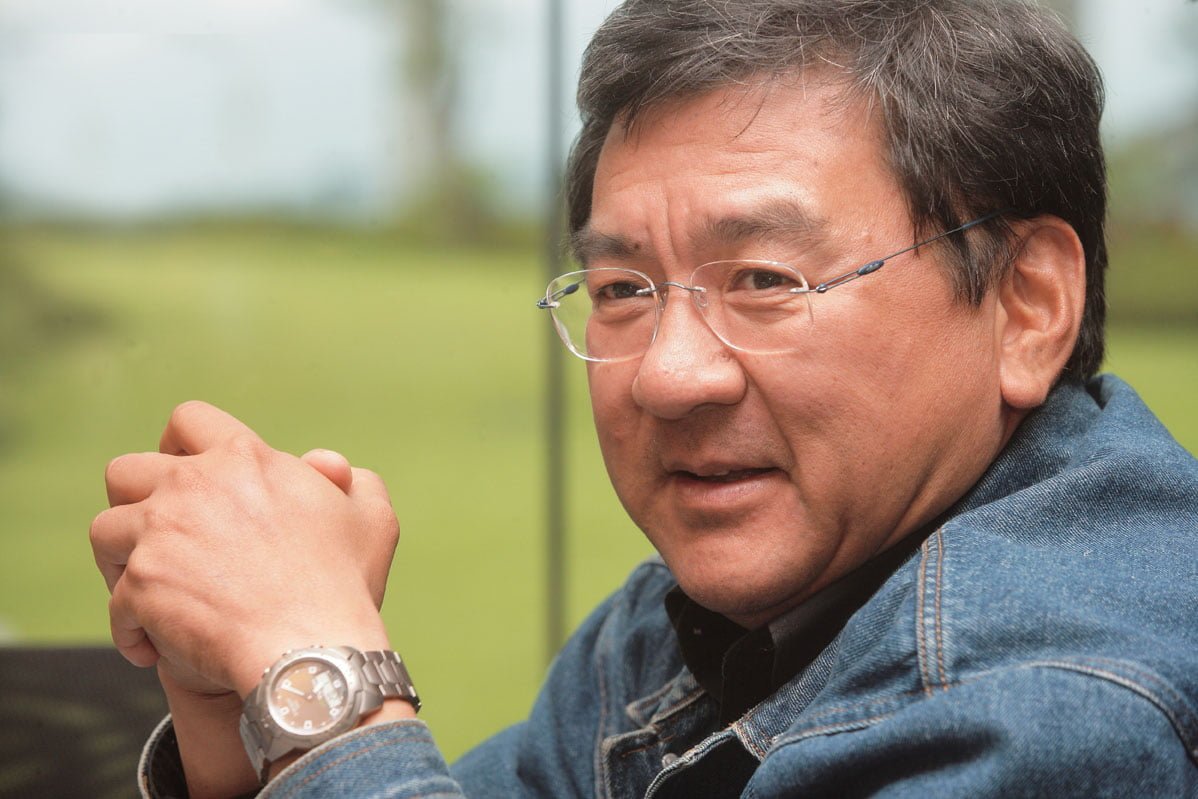
Samuel Yin’s Profile
- Name: Samuel Yin (Yin Yen-liang)
- Born: 1950
- Current Role: Chairman and CEO of Ruentex Group
- Experience: Head of Ruentex Industries, Professor in the Department of Civil Engineering at National Taiwan University
- Education: Ph.D. in Business Administration, National Chengchi University
- Pet Peeves & Red Flags:
- Frequent job-hopping, wandering like an unstable nomad without commitment.
- Smooth-talking flatterers who guess leadership whims; fundamentally untrustworthy.
- Inability to collaborate, excessive pride, and refusal to show humility.
Support Independent Perspectives & In-Depth Insights
Every thoughtful analysis and candid critique comes from our dedication to truth and quality. We choose not to follow sensational algorithms or clickbait headlines.
Sustaining independent research requires reader support. Make a one-time or monthly contribution, securely processed by Google.
Payments secured by Google · Manage or cancel anytime in your Google Account




Comments