
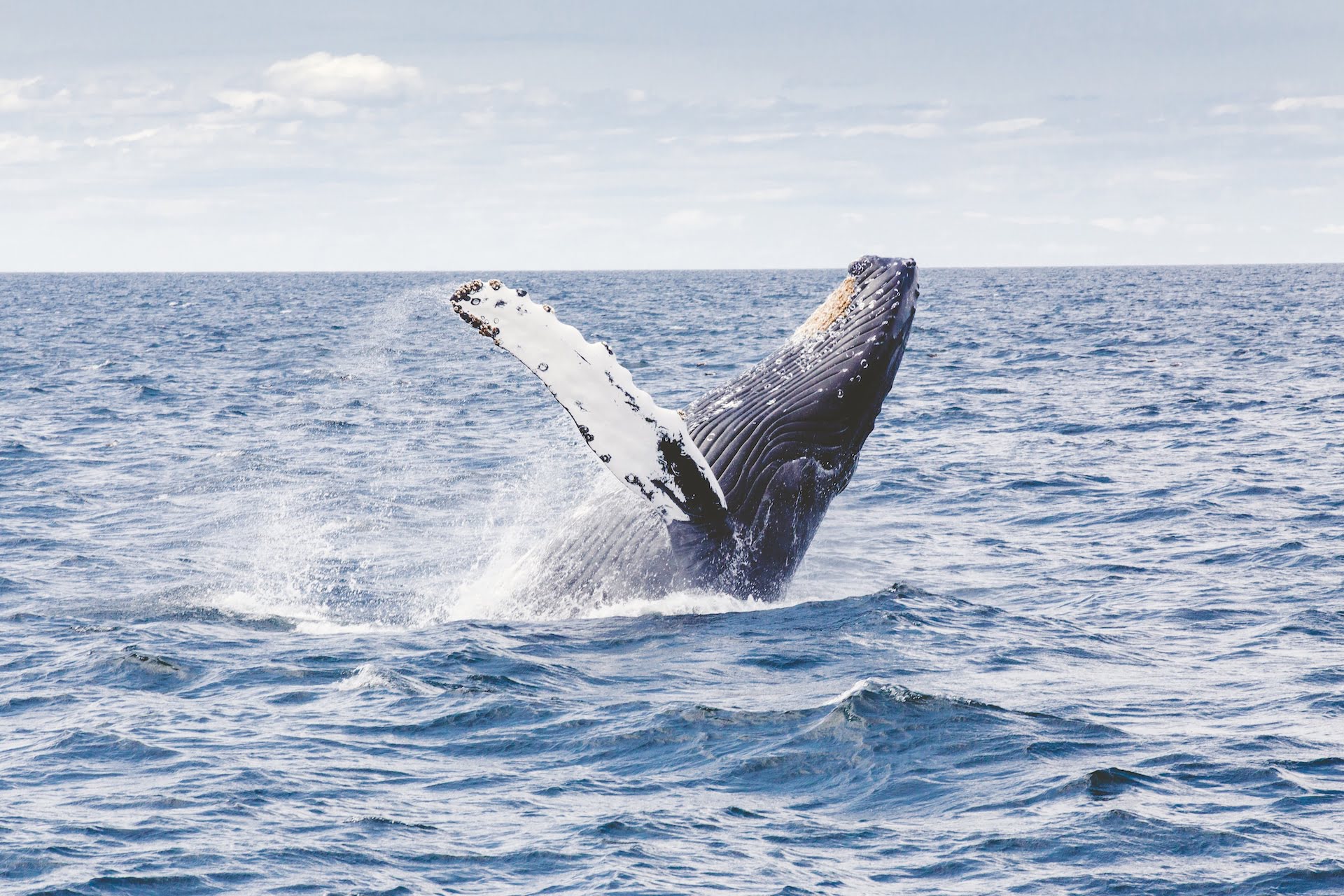
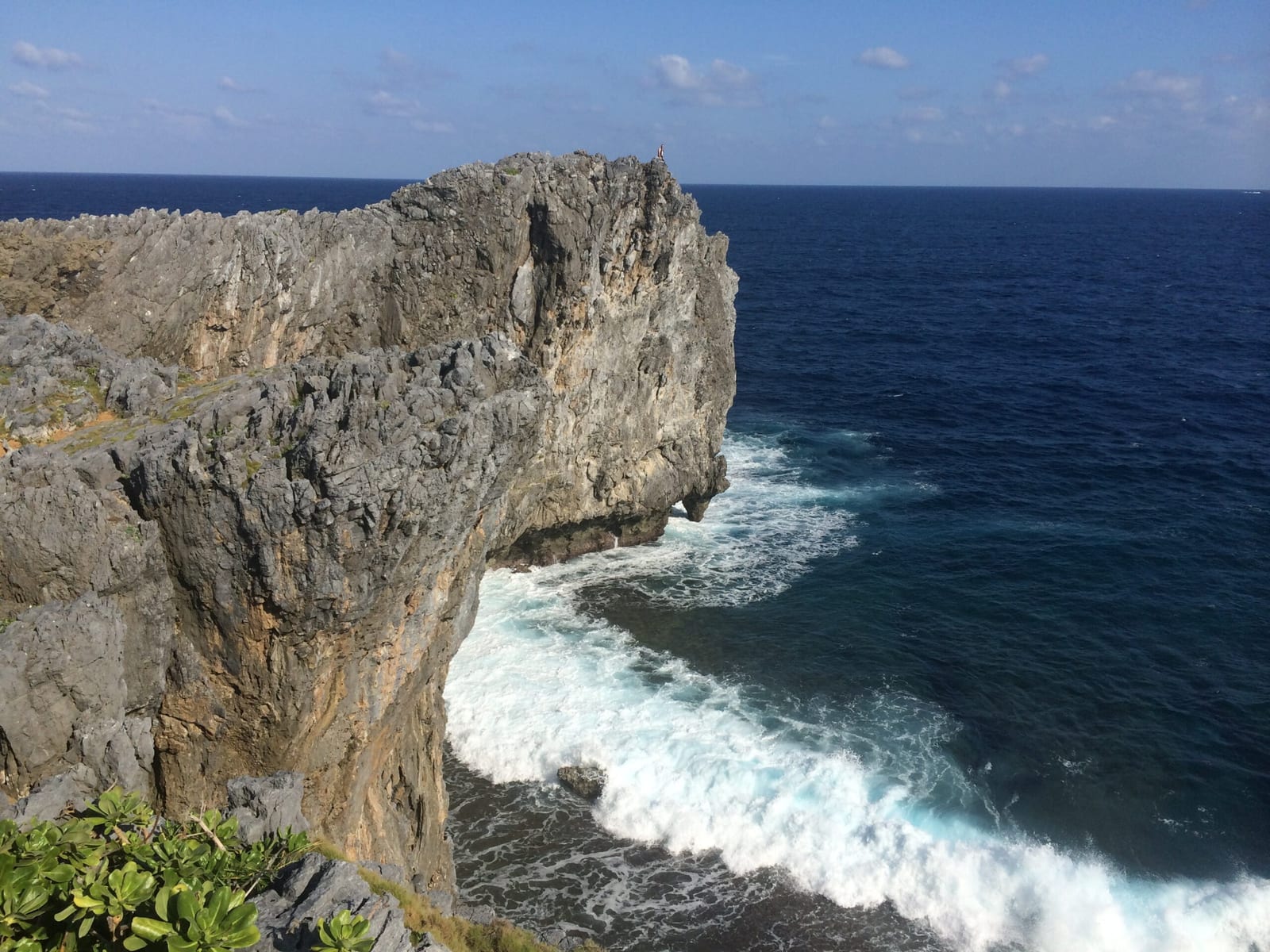
From May through September every year, the east coast of Taiwan—primarily centered around Yilan’s Wushi Port, Hualien Port, and Taitung’s Chenggong Fishing Port—enters its peak whale-watching season[i]. From October to April of the following year, the waters surrounding Zamami Island in Okinawa, Japan, become the premier destination for encountering humpback whales. Thanks to the rich marine nutrients carried by the Kuroshio Current, the adjacent waters of Taiwan and the Ryukyu Islands offer opportunities nearly all year round to admire the graceful movements of majestic cetaceans cruising the open ocean.
Before heading out to greet these magnificent ocean dwellers, do you know what precautions you need to take? Drawing on my past experience as a volunteer for the cetacean conservation association, I will walk you through how to properly prepare so that your whale-watching journey is smooth, comfortable, and truly memorable!
1. Choose Pre-Departure Meals Carefully to Prevent Seasickness!
One to two hours before boarding, even if you are starving, avoid consuming soft, high-protein, or dairy-heavy foods—such as fried eggs, fresh milk, and rich cheeses. These items churn easily in the stomach when the boat rocks, and if seasickness hits, vomiting them back up is remarkably unpleasant.
Because prime sightings for whales and dolphins frequently coincide with the early morning departures around 7:00 or 8:00 AM (an insider detail ordinary group tours rarely highlight), this window coincides with breakfast. Skip heavy Taiwanese egg crepes or greasy pastries—take it from someone who learned the hard way!

2. Get Ample Sleep and Avoid Excessive Alcohol
The night before heading out to sea, excitement often makes it difficult to sleep soundly. However, physical exhaustion is the ultimate trigger for severe seasickness. Getting plenty of rest and abstaining from heavy drinking significantly lowers the risk of nausea. Standing on the bow feeling alert, energized, and clear-headed makes the experience infinitely more enjoyable.

3. Pack Essential Gear: Water, Light Rainwear, Hats, and Sunglasses
Under the blistering summer sun, the glare reflecting off white ship decks and open water is the real reason coastal fishermen end up with deep, glossy tans. Summer voyages off the eastern coast of Taiwan face intense ultraviolet exposure. Proper sun protection is indispensable: wear protective clothing such as brimmed hats, sun sleeves, and sunglasses, and apply sunscreen or sun spray correctly according to manufacturer directions so lotion does not wash into your eyes.
Choose a sun hat with a chin strap or secure toggle so sudden gusts over open water will not blow it overboard. Most commercial whale-watching vessels in Taiwan are larger crafts equipped with enclosed air-conditioned cabins, offering shelter when winds pick up. In contrast, many Japanese whale-watching boats in Okinawa are repurposed fishing vessels carrying as few as ten passengers. These smaller boats rock more heavily with less indoor shelter, making tailored outdoor gear even more critical.
Polarized sunglasses are strongly recommended. In addition to shielding your eyes from glare, polarized lenses cut through chaotic surface reflections, helping you spot the dark silhouettes of dolphins and whales surfacing from the depths before anyone else does.
As for drinking water, sickness bags, and tissues, some vessels provide them onboard, but you should not assume they will. For example, boats operating out of Wushi Port often provide bottled water (the captains jokingly note it is not very eco-friendly and ask passengers to take only what they need), whereas small Japanese vessels often provide nothing at all, leaving passengers entirely to their own devices.
4. Should You Take Seasickness Medication?
Although I love taking public transit today—even touring both islands of New Zealand entirely by bus—I suffered terrible motion sickness as a child, frequently throwing up and causing headaches for my mother. Later, during volunteer stints at Wushi Port in Yilan, I had the opportunity to board vessels frequently. I only vomited during my very first training trip, which took us far off standard tourist routes into the deep Pacific near the Kuroshio Current, leaving almost everyone onboard seasick. Despite that, the number of times I have taken motion sickness pills throughout my life can easily be counted on one hand.
Whether to take motion sickness medication is a personal choice, though I generally lean against relying on it; your inner ear gradually adapts to the rhythm of ocean swells with exposure. If you truly need antiemetic medication, consult the packaging insert and follow the dosage instructions strictly.
Acupressure motion-sickness wristbands and transdermal patches are also widely available. Some patches deliver pharmaceutical agents through the skin, while certain wristbands utilize traditional acupressure principles by pressing a raised bead against the “Neiguan” (PC6) acupoint to alleviate nausea and dizziness. Consult a healthcare professional before use.
The Neiguan Acupoint for Nausea Relief
The Neiguan point (PC6) has traditionally been stimulated to relieve palpitations, chest tightness, bloating, nausea, and vomiting. Clinical studies have shown that when individuals experience nausea or an urge to vomit, massaging the Neiguan point on both wrists for roughly 10 minutes can effectively alleviate discomfort. The point is located on the inner forearm, approximately two to three finger-widths (about 5 cm) above the wrist crease, centered between the two prominent flexor tendons.
How to Massage Neiguan
Apply firm, perpendicular pressure to the point using your thumb or a rounded massage probe. Gradually increase pressure until you feel a distinct dull, aching soreness, which indicates proper depth. Maintain pressure for about 5 seconds, release for 1 to 2 seconds, and repeat. Performing this sequence for 5 to 10 minutes is generally sufficient.
5. Minimize Wandering Onboard: Focus on the Horizon or Rest Your Eyes!
Whale-watching vessels usually receive tracking coordinates from spotter boats and steam directly toward waters where cetaceans have been sighted. During the transit out of harbor, feel free to sit back in the air-conditioned cabin and rest your eyes. Once the vessel reaches the observation zone, the captain will throttle back and idle slowly; that is the ideal time to step out onto the deck. If you are doing serious photography and want the prime vantage point, secure your spot early (be mindful that ocean spray can drench the bow, so bring waterproof protection for both yourself and your camera gear).
Once you find a suitable observation spot, avoid constantly running back and forth across the deck. When large cetaceans surface, they often only come up briefly for a breath before diving back down into the depths. Rushing around increases your chances of missing the fleeting moment. Furthermore, captains continuously maneuver and circle to maintain a safe, respectful distance from the pod without crowding them. If you rush to the starboard rail, the boat might turn, leaving you looking at empty water.
On a whale-watching trip in Japan, I met a magazine photographer who constantly scrambled up and down ladders between decks; in the end, he captured far fewer usable shots than I did by quietly holding my position on the upper deck.
6. Review Emergency Evacuation Routes and Wear Your Life Jacket
This should go without saying: regardless of inconvenience, personal safety comes first. Unless you are aboard a massive cruise liner or large passenger ferry, embarking on small-to-medium fishing vessels or whale-watching boats heading into open waters requires putting on a life jacket immediately upon boarding. Accidents involving passengers slipping into the water during embarkation are not unheard of.
Whenever using public transportation—be it buses, high-speed rail, ferries, or airplanes—take a few moments after settling into your seat to locate the nearest emergency exit.
On an airplane, count the number of seat rows between your chair and the nearest exit door. On a boat, identify the most direct route to open deck exits. On buses or trains, spot emergency window hammers, push-out windows, and emergency brake valves. Cultivating this situational awareness ahead of time ensures you can react instinctively in a genuine emergency.
 Counting the seat rows before the emergency exit on an aircraft cabin (Photo: Mizuc).
7. Carry Valid Identification for Coast Guard Inspections
When boarding boats in Japan, port authorities rarely conduct formal identity checks once the operator validates your ticket.
In Taiwan, however, passengers boarding vessels heading out to sea will see Coast Guard personnel in bright orange uniforms patrolling the docks. Cetacean volunteers affectionately nicknamed these officers the “orange troopers.” Their duty is to verify passenger manifests to ensure all travelers are accounted for and prevent illegal smuggling or contraband activities under the guise of eco-tourism. Always carry government-issued ID (such as a National ID card, National Health Insurance card, or passport) for inspection.
8. Never Feed, Harass Cetaceans, or Pollute the Marine Environment
On standard whale-watching tours, passenger movement is naturally confined to the deck, leaving little opportunity to physically disturb marine wildlife. However, vessel practices vary. If you notice a captain intentionally crowding, cutting off, or charging directly toward dolphins or whales, know that this violates ethical eco-tourism standards and local conservation guidelines. You can document the behavior and report it to relevant maritime authorities upon return!
Although marine mammal conservation has made tremendous strides across Taiwan in recent years, bad practices still occasionally surface. Setting aside illicit trade in cetacean meat in isolated coastal pockets, I remember overhearing fishermen in Yilan chatting after an outing about a dolphin caught in nets that morning, which was subsequently butchered and divided among fishing crews.
Whether any of that meat found its way onto local black markets, who can say for sure?
9. Choose Certified Operators and Check Morning Weather Conditions
Government fisheries agencies and conservation groups have actively encouraged traditional coastal fishermen to transition toward sustainable eco-tourism. When veteran fishermen combine their seamanship with marine biology insights and hospitality training, they can earn substantial livelihoods during the peak season without overharvesting marine resources.
Selecting a reputable tour operator is therefore essential. A quality operator is defined not only by the captain’s boat-handling skills, but also by thorough safety briefings, courteous onboard service, and a genuine commitment to marine ecological conservation.
During my volunteer training with the cetacean conservation association, I met numerous vessel captains who attended workshops and ecological lectures voluntarily. These operators consistently deliver superior experiences. The Fisheries Agency has historically collaborated with the Taiwan Cetacean Society to grant “Whale Watching Certification” seals based on rigorous operational audits. Looking for certified operators provides a reliable benchmark when booking.
Additionally, many operators operate on strict advance reservations. Confirm your schedule and never fail to show up. It is good practice to call the operator or check ocean condition updates early on the morning of your trip to confirm sailing conditions, sparing yourself an unnecessary trip to the harbor if rough swells force cancellations.
10. Listen Attentively to the Briefing and Keep Learning
Eco-tourism whale-watching tours routinely begin with a pre-departure briefing covering boarding safety, regional marine ecology, and common cetacean species. Pay close attention! (When I joined a whale tour in Japan, I could not understand the spoken Japanese, but having delivered briefings myself as a volunteer in Wushi Port, I could piece together the key points from the visual aids.)
Enriching your baseline knowledge of marine ecosystems and animal behavior beforehand makes observing wildlife in the open ocean vastly more rewarding. And of course, keep following our platform for the latest insights!
Reader Q&A
Q1: Why is 7:00–8:00 AM considered prime time? Does an optimal departure slot truly exist?
Reader Yi Liang Chang asked: On what basis is the 7:00–8:00 AM sailing considered the best departure slot for whale watching?
Reader Hualien Editor questioned: Prime sightings between 7:00 and 8:00 AM? Operators log data for every voyage every day; this isn’t a secret, nor can simple data compilation definitively prove an optimal window!
Mizuc’s Response: In observing wild animals, “luck is always the most decisive factor”—there is no dispute about that. However, taking both oceanographic patterns and experienced captains’ maritime observations into account, early morning departures around 7:00–8:00 AM offer distinct practical advantages:
- Sea State and Visibility Are Most Favorable: Along the eastern coast of Taiwan during summer, midday and afternoon heat causes intense thermal convection and sea breezes, generating noticeable swells and whitecaps. Between 7:00 and 8:00 AM, the sea is typically at its calmest (often called “mirror-calm seas”). Under these conditions, captains and lookouts can spot blows and surfacing dorsal fins at far greater distances.
- Single-Vessel Logs Do Not Tell the Full Story: During my time volunteering with the cetacean association, I reviewed countless vessel logs. A record of an encounter logged by a specific boat merely captures a chance intersection at that exact coordinate and moment. It cannot be mechanically applied across other vessels—frequently, by the time other boats rush over, the pod has already sounded and moved away. Presenting isolated logs as a guarantee is simply marketing.
- The Scheduling Trap of Commercial Tour Packages: Many commercial group tour packages schedule boat slots around midday or late afternoon to plug gaps in busy itineraries, leaving tourists under scorching heat or navigating chop. Highlighting early morning slots is intended to help independent travelers avoid unfavorable tour slots and enjoy optimal sea conditions.
References
- Marine Ecology: Cetacean Tourism Resources and Species Overview in Taiwan.
- Fisheries Agency, Council of Agriculture, Executive Yuan.
Support Independent Perspectives & In-Depth Insights
Every thoughtful analysis and candid critique comes from our dedication to truth and quality. We choose not to follow sensational algorithms or clickbait headlines.
Sustaining independent research requires reader support. Make a one-time or monthly contribution, securely processed by Google.
Payments secured by Google · Manage or cancel anytime in your Google Account


Comments