
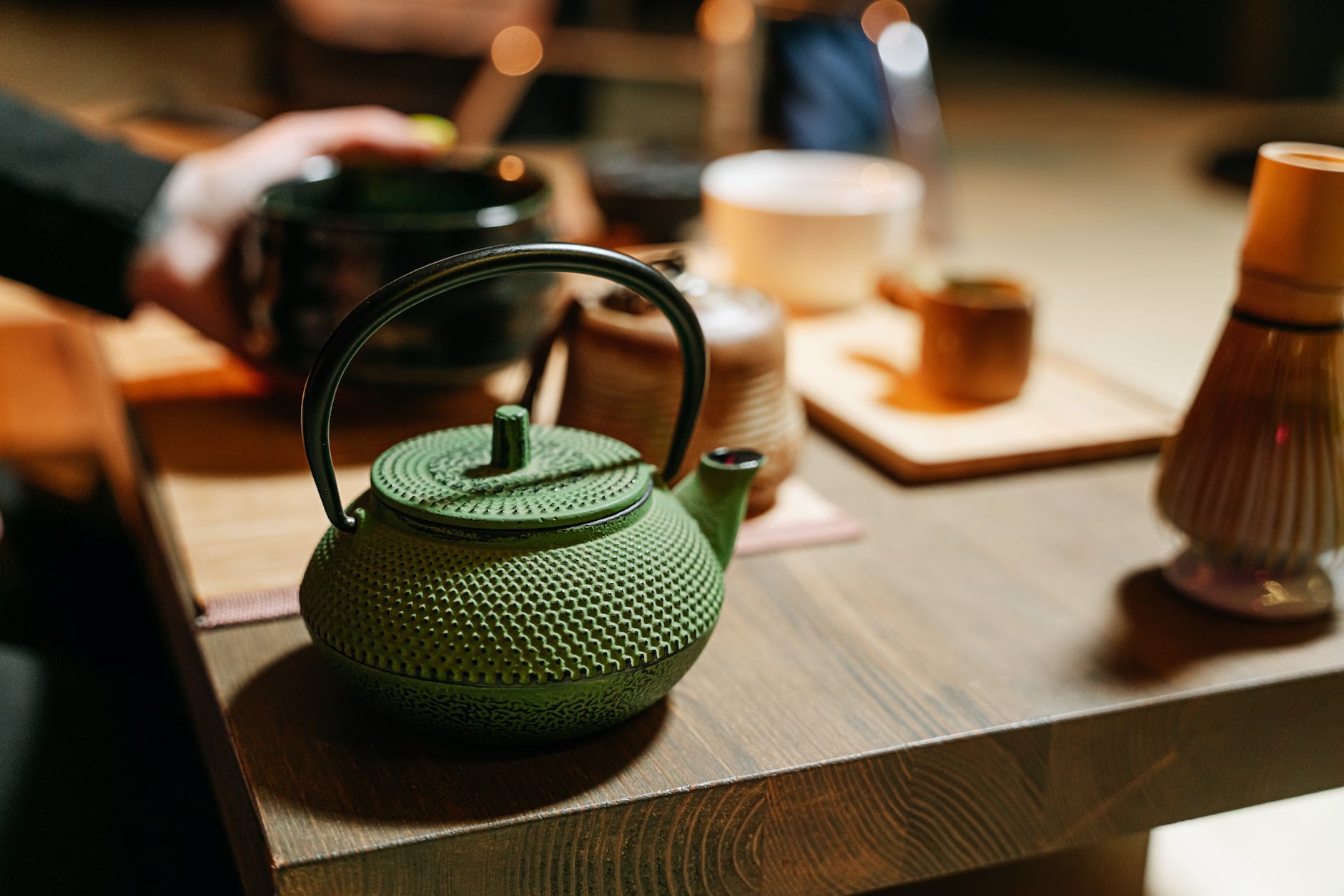
For tea aficionados and outdoor camp brewers alike, a traditional cast iron kettle (tetsubin) is an indispensable treasure. Beyond its timeless rustic aesthetic, water boiled in cast iron develops a noticeably sweeter, softer mouthfeel that brings out the finest nuances in premium teas. However, mastering the proper methods of initial seasoning, routine maintenance, and rust management is essential to preserving its quality. Here is our comprehensive guide to caring for your cast iron kettle.
Initial Seasoning (Breaking in a New Kettle)
Before brewing your first pot of tea with a brand-new iron kettle, follow these steps to properly season the interior:
- Fill with water: Fill the kettle to roughly 80% capacity with cold water. Place it over low-to-medium heat, bring it to a boil, and allow it to simmer gently for about 10 minutes.
- Repeat 2–3 times: Pour out the hot water completely, refill with fresh cold water, and boil again. Repeating this cycle two to three times purges any foundry residues and conditions the iron for routine use.
Post-Boiling Routine
Every time you finish boiling water for tea, practice the following routine immediately:
- Empty thoroughly: Pour out all remaining hot water completely. Never leave standing water inside a cooling iron kettle.
- Remove the lid: Take off the lid while the kettle is still hot, allowing the residual heat of the thick iron body to evaporate all moisture naturally. If the kettle has already cooled down while moisture remains inside, briefly warm it over very low heat until dry.
- Avoid prolonged dry burning: Never heat an empty kettle on high heat for an extended duration, as severe dry burning can warp, crack, or damage the metal and its internal finish.
Daily Cleaning Guidelines
Proper cleaning keeps the iron kettle looking dignified while preventing corrosion:
- Dab while warm: While the kettle is still warm to the touch, use a thoroughly wrung-out damp cotton cloth to gently wipe and pat the exterior surface. Be cautious to avoid steam burns. Over time, tea tannins and heat create a rich, lustrous patina.
- Focus on vulnerable spots: The spout tip, the kettle rim, and the underside of the lid trap condensation easily. Always wipe these areas dry with a clean cloth to prevent rust.
Never Use Detergents or Soap
Never wash your cast iron kettle with dish soap, liquid detergents, or abrasive scouring pads. Harsh surfactants penetrate the porous iron, leaving chemical residues that taint the subtle aromas and flavors of your tea. Instead, clean using only pure hot water and a soft, non-abrasive brush, followed by thorough drying.
Routine Inspection and Rust Management
Regularly examine the interior of your kettle. Mineral deposits (scale) naturally accumulate over time into a chalky white layer. This natural limescale is completely harmless—in fact, it protects the iron against rust and further softens the water.
How to Treat Interior Rust
If red rust spots begin to appear on the interior, there is no need to panic. Treat it with traditional green tea tannins:
- Green tea tannin treatment: Place a handful of green tea leaves (or two green tea bags) inside the kettle, fill with water, and simmer gently over low heat for 10 to 15 minutes. Repeat this once a day for three consecutive days. The tea polyphenols (tannins) react chemically with the iron oxide to form an insoluble black iron tannate coating, sealing the rust and halting further oxidation.
- Do not scrub or sand down: As long as the boiled water remains clear, odorless, and free of metallic taste, minor interior rust spots are harmless to your health. Avoid aggressive scraping or steel wool sanding, which damages the underlying iron matrix.
Proper Storage Methods
Short-Term Storage
If you do not plan to use the kettle for a few days to a couple of weeks:
- Ensure the kettle is completely dry inside and out by using residual heat.
- Wrap the kettle in absorbent breathable paper (such as clean newsprint or kraft paper) and store it in a dry, well-ventilated spot.
Long-Term Storage
For seasonal or long-term storage:
- Total dryness: Verify that no trace of moisture lingers in the spout, seams, or lid recess.
- Dust cover: Place the kettle inside a breathable cotton storage pouch or protective box to keep dust away.
- Avoid direct sunlight & humidity: Store away from direct sunlight, damp basements, or kitchen sink cabinets where humidity concentrates.
- Periodic check: Inspect the kettle every few months to ensure storage conditions remain dry and rust-free.
With conscientious care and mindful use, a quality cast iron kettle will serve you faithfully for decades, growing more beautiful with every brew.
Support Independent Perspectives & In-Depth Insights
Every thoughtful analysis and candid critique comes from our dedication to truth and quality. We choose not to follow sensational algorithms or clickbait headlines.
Sustaining independent research requires reader support. Make a one-time or monthly contribution, securely processed by Google.
Payments secured by Google · Manage or cancel anytime in your Google Account



Comments