
Introduction: The “Justice” Blindspot Under Asymmetric Information
In early 2026, U.S. President Donald Trump initiated major military strikes against Venezuela under the banner of “combating narco-terrorism,” forcibly capturing Venezuelan head of state Nicolás Maduro and sending shockwaves across the globe.
While observers across the Pacific readily recognize the absurdity of accusations claiming Taiwan “stole” the semiconductor industry, public opinion often falls into simplistic tropes of “American democracy versus Latin American tyranny” when observing the unrest in Caracas.
In truth, stripping away the sugarcoating of the “War on Drugs” and “humanitarian salvation” reveals naked resource predation and an aggressive assertion of imperial hegemony over international law.
Historical Revisionism: Who Really “Stole” Whose Oil?
Trump has repeatedly claimed across global media that Venezuela “stole” and expropriated American petroleum assets during nationalization. This is not mere historical ignorance; it is deliberate disinformation:
- A Legitimate Path to Nationalization: The nationalization of Venezuela’s petroleum sector originated in 1976 under Carlos Andrés Pérez, during which the state provided full, legally sanctioned financial compensation to British and American oil multinationals.
- Joint-Venture Reforms of the Chávez Era: The 2007 restructuring fundamentally required foreign oil conglomerates to transition into minority-partner joint ventures, safeguarding sovereign revenue for the Venezuelan populace. The vast majority of foreign energy majors chose to remain, while disputes with departing entities like ExxonMobil were litigated through established international arbitration tribunals.
- The Core of the “Plunder” Narrative: What Trump brands as “theft” is simply frustration that American capital no longer exercises 100% unilateral dominion over another sovereign nation’s domestic subsoil wealth. Escalating commercial arbitration disputes into charges of “banditry” provides the cognitive framing used to rationalize armed invasion.
Deconstructing the 2026 Incursion: Sovereign Takeover Masquerading as “Law Enforcement”
During the military strikes in early 2026, U.S. forces arrested Maduro and his spouse, with Trump brazenly declaring that the United States would “administer” Venezuela until an agreeable political transition was finalized. This brazenly tramples the cornerstone principles of the United Nations Charter:
- A Dangerous Precedent of Abducting Heads of State: Regardless of Maduro’s domestic governance controversies, deploying armed troops into a sovereign state without UN Security Council authorization or an extradition treaty to apprehend a foreign leader constitutes state-sponsored kidnapping and unilateral armed aggression. It codifies a doctrine where domestic American edicts supersede international law.
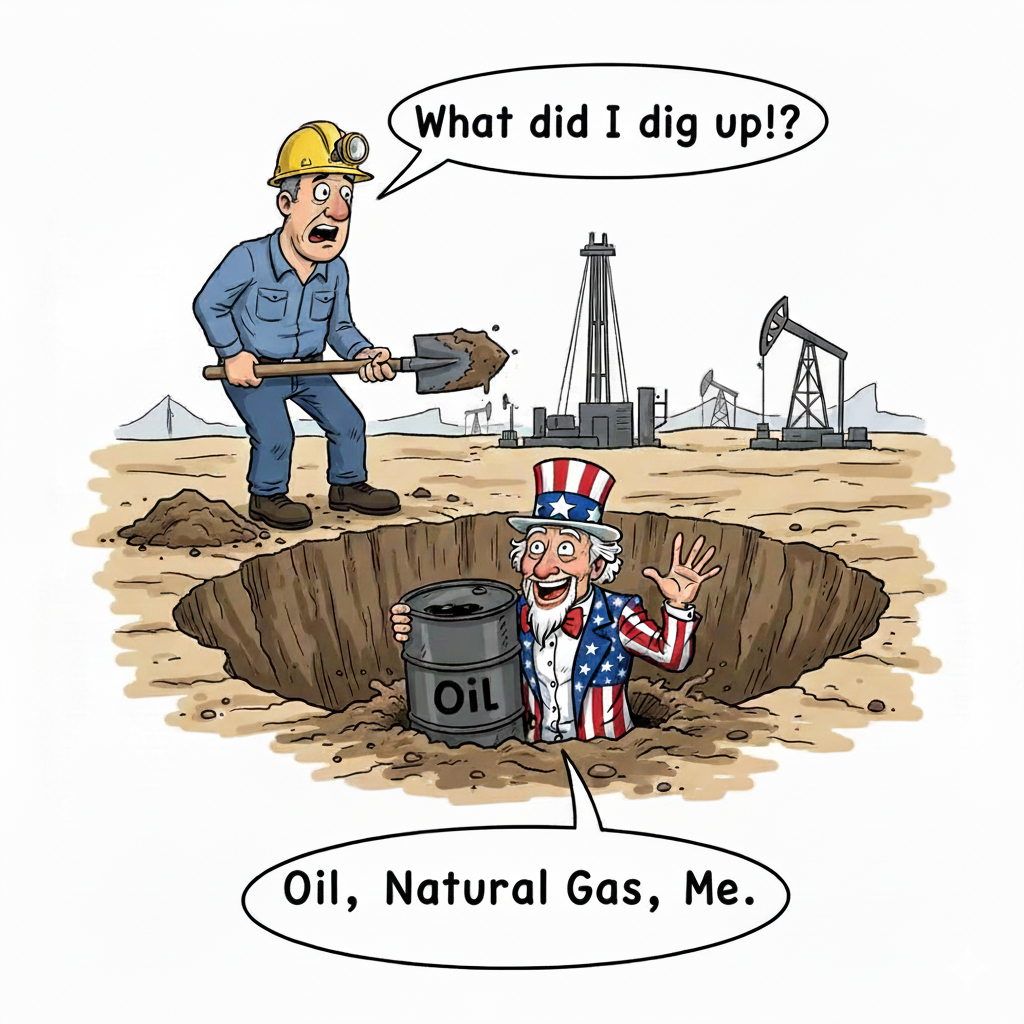
- The Resurgence of Resource Imperialism: In subsequent press conferences, Trump candidly admitted that “major American oil corporations” would immediately take over Venezuela’s critical energy infrastructure. This vindicates early warnings: the anti-narcotics banner was merely a pretext to secure direct physical custody of the world’s largest proven crude reserves.
The Overlooked Accomplice: A Decade of Economic Strangulation
While the Maduro administration undoubtedly committed grievous domestic economic mismanagement, Washington deliberately masks its own culpability in strangling Venezuela’s economy:
- Engineered Collapse: Maximum-pressure sanctions and oil embargoes imposed since 2017 systematically severed Venezuela’s financial conduits for importing food, medicine, and critical industrial parts, crippling public utilities and driving millions into exile.
- Destroy First, Then “Rescue”: The playbook is as cynical as it is transparent: manufacture an excruciating humanitarian catastrophe through financial strangulation, and then cite that very catastrophe as moral justification for military intervention.
Conclusion: Refusing to Succumb to Historical Amnesia
As celebrations unfolded at Mar-a-Lago, international jurists worldwide were chilled by the casual demolition of sovereign norms. In Taiwan, positioned directly on geopolitical frontlines, blindness to imperial aggression in Latin America risks eroding our own moral high ground when external powers attempt to compromise our sovereignty under the guise of “national security” or “asset protection.”
The international community must remain vigilant against the return to this “rule of the jungle”. The tragedy of Venezuela offers a sobering reminder: whenever a sovereign nation’s vital resources become coveted by a global superpower, pretext is easily manufactured to authorize an invasion.
Support Independent Perspectives & In-Depth Insights
Every thoughtful analysis and candid critique comes from our dedication to truth and quality. We choose not to follow sensational algorithms or clickbait headlines.
Sustaining independent research requires reader support. Make a one-time or monthly contribution, securely processed by Google.
Payments secured by Google · Manage or cancel anytime in your Google Account


Comments