
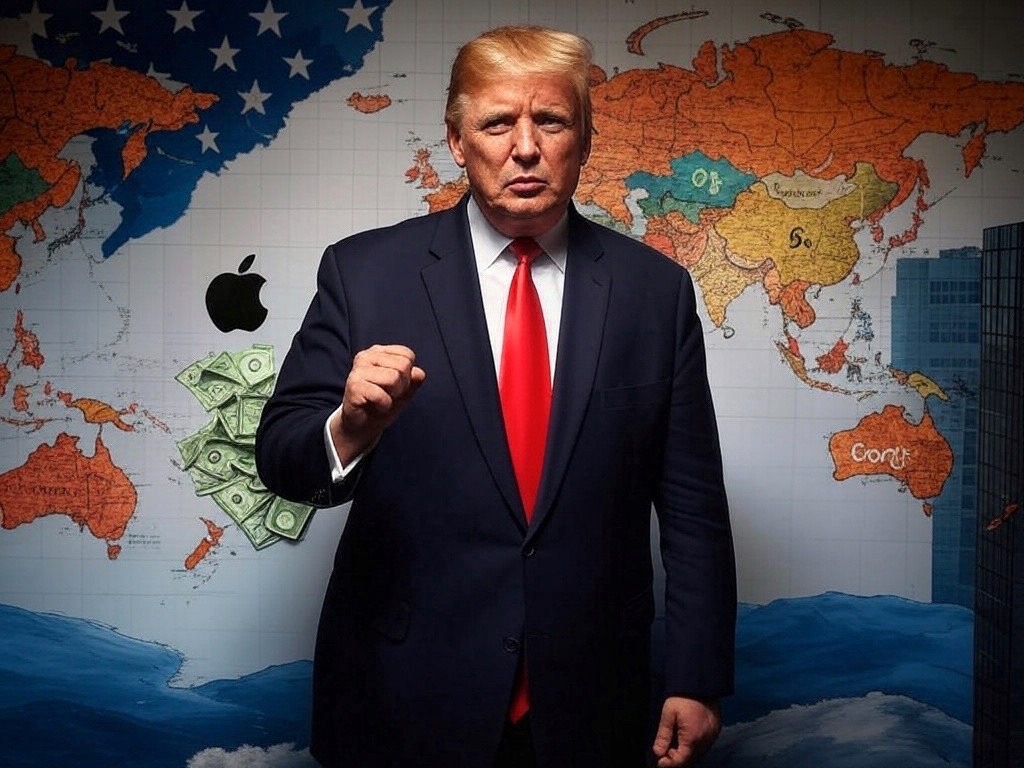
The year 2026 opened with a Hollywood-style military shockwave: US special operations forces raided Caracas, abducting Venezuelan President Nicolás Maduro and his wife in a lightning strike to stand trial in New York.
At Mar-a-Lago, President Donald Trump celebrated the operation as a lawful “arrest” and a historic triumph against “narcoterrorism.”
Yet in Caracas and across global diplomatic circles, the operation was condemned as an act of “transnational military kidnapping” and naked imperial expansion.
In Chinese-language discourse, commentary frequently falls into the trap of debating “who truly speaks for the Venezuelan people.” Should we heed the diaspora celebrating abroad, or the residents on the ground resisting American intervention?
Through political economy, this analysis deconstructs how selective media framing disproportionately amplifies certain voices while concealing the imperial logic embedded beneath democratic rhetoric.
Economic Strangulation: Sanctions as Hybrid Warfare
To understand how the perceived justification for this operation was constructed, one must examine its political economy: Venezuela exemplifies rentier capitalism, where hydrocarbons are its economic lifeblood.
For decades, the state relied on fixed exchange rates and petroleum exports to finance subsidized imports, neglecting domestic agricultural and industrial development. This structure appeared viable during high oil prices—a common affliction among resource-rich economies—but collapsed completely following the 2014 crude price crash.
However, the economic warfare launched by Washington beginning in 2015 proved devastating:
- Severing Financial Arteries: Banning Venezuela from the SWIFT international payments network choked trade flows and access to foreign capital.
- Engineered Scarcity: While mismanagement and corruption plagued Maduro’s administration, the total US blockade manufactured extreme shortages of food, medicine, and critical supplies, allowing Washington to attribute 100% of the humanitarian crisis solely to Maduro.
This maximized external pressure while deflecting systemic blame. While Maduro attributed every domestic failure to “American imperialism,” Washington leveraged human misery to market its military raid as a humanitarian rescue.
The Media’s Filter Bubble: Why Are Diaspora Voices Amplified?
In Western mainstream narratives, two-thirds of Venezuelan immigrants in the United States celebrated Maduro’s capture.
Yet on the ground inside Venezuela, over two-thirds of the domestic population firmly opposes American military intervention.
Why do global audiences almost exclusively hear the diaspora’s jubilation?
The reasons are structural:
- Class and Political Selection: Venezuelans with the financial means to emigrate to the United States and access Western media platforms overwhelmingly belong to affluent, right-wing elites. Leftist or anti-imperialist applicants are filtered out at the consular gate.
- The “Model Minority” Reflex: To assimilate and gain political influence in Washington, diaspora communities unreservedly adopt the US establishment narrative—demonizing Maduro as the sole author of misery while erasing decades of unilateral sanctions.
- Media Appetite for Cinematic Storytelling: Western journalists prefer cinematic tales of exiled dissidents championing democracy (such as the Machado network). Local voices that simultaneously oppose Maduro’s corruption and Washington’s imperial dominance are marginalized as inconveniently complex.
The Crushed Reality: Anti-Maduro and Anti-Imperialist
The most vulnerable group consists of ordinary citizens who have endured material deprivation inside Venezuela while resolutely opposing foreign military aggression.
Today, these citizens find themselves trapped in a vicious “political witch hunt”:
- Criticize American sanctions, and the pro-Western diaspora brands you a “puppet of Maduro.”
- Criticize Maduro’s governance, and the regime brands you an “agent of imperialist subversion.”
This dynamic mirrors the political climate in Taiwan: questioning American strategic motives is reduced to treasonous alignment with external adversaries. When Trump declared that the US would “take over and operate” Venezuelan oil reserves (much like demands placed upon TSMC), authentic, nuanced voices were drowned out by triumphalist rhetoric.
Conclusion: Rejecting Monolithic Justice
This dramatic operation trampled the sovereign foundations of international law. As the world reels from Washington’s brazen show of force, we must remain vigilant: the “popular will” broadcast across global networks is an engineered chorus of diaspora elites.
What sovereign nations require is neither foreign takeover nor armed exploitation masquerading as humanitarian rescue. Ignoring a decade of economic warfare and media distortion reduces this tragedy to an imperial spectacle executed at the expense of an entire nation’s sovereignty.
Support Independent Perspectives & In-Depth Insights
Every thoughtful analysis and candid critique comes from our dedication to truth and quality. We choose not to follow sensational algorithms or clickbait headlines.
Sustaining independent research requires reader support. Make a one-time or monthly contribution, securely processed by Google.
Payments secured by Google · Manage or cancel anytime in your Google Account

Comments