
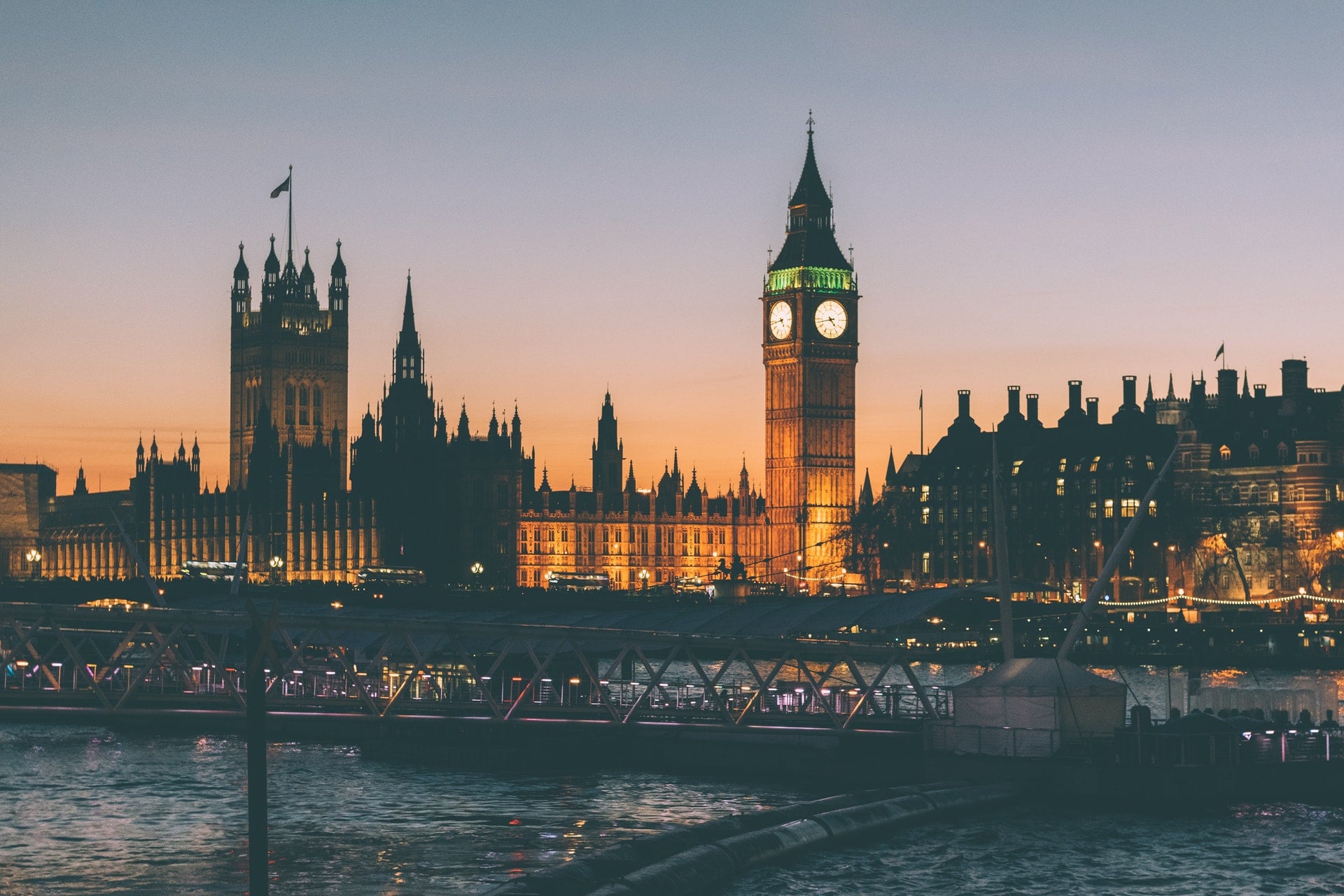
London, United Kingdom has always been one of Mizuc’s favorite cities worldwide. In addition to its rich historical and cultural tapestry, London is also among the most advanced global tier-one metropolises—standing alongside New York and Hong Kong as one of the 21st century’s three great world hubs. Welcoming globetrotters from across the earth, tourism has firmly established itself as one of London’s primary economic pillars in recent years.
In 2016 alone, London welcomed over 31.5 million international and domestic visitors, generating substantial revenues exceeding £15 billion and solidifying its position as one of Europe’s most-visited destinations. According to statistics compiled by Visit London, the top 10 most popular must-see attractions ranked from first to tenth are:
British Museum
The British Museum, situated in the Bloomsbury area of London, is a public museum dedicated to human history, art, and culture. Established in 1753, it is one of the world’s largest and most illustrious museums, housing a vast permanent collection of some eight million works. Due to space constraints, only a fraction of its vast archives can be displayed at any given time. The museum officially opened to the public on January 15, 1759.
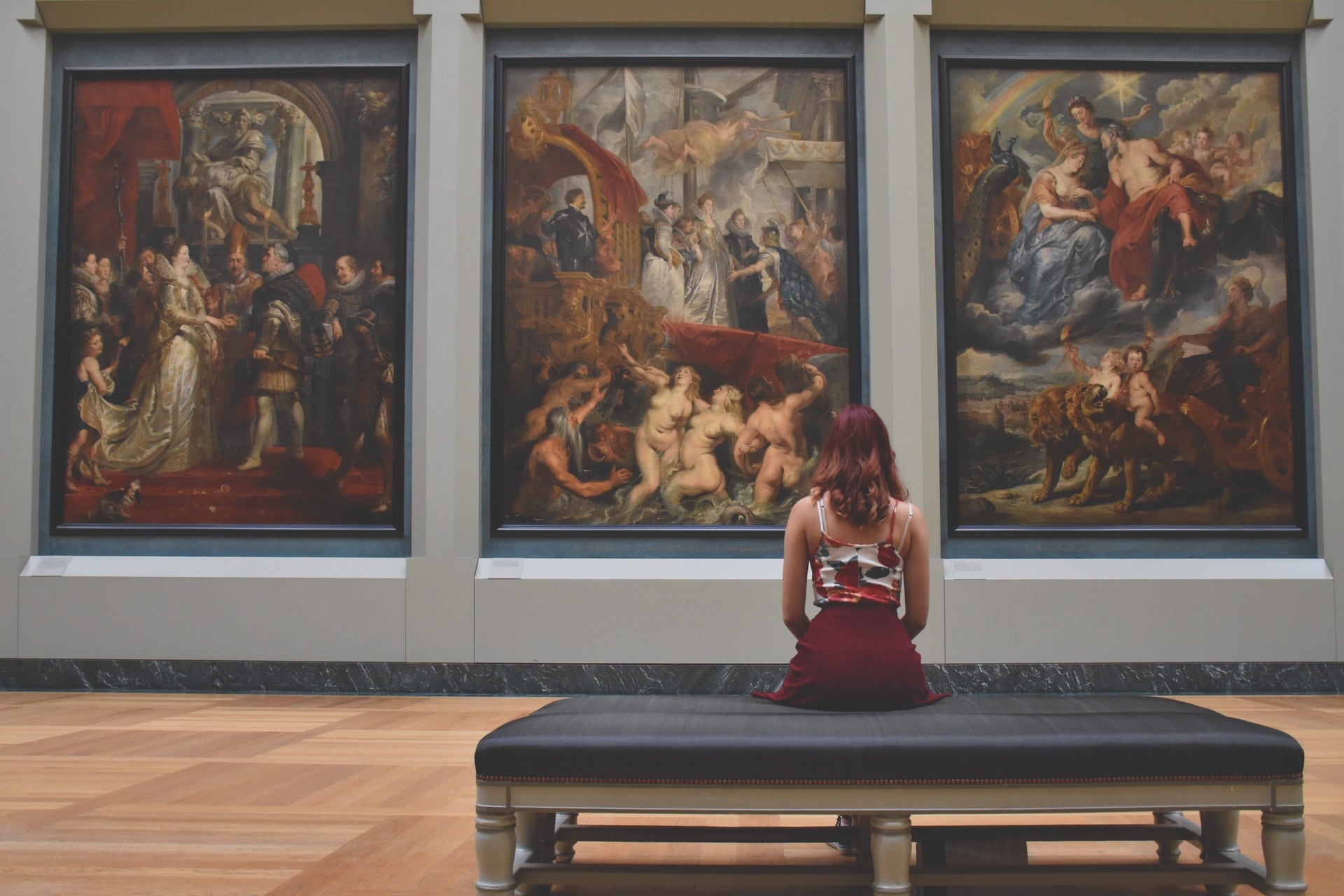
Visitor Information: The British Museum in London.
Tate Modern
Tate Modern is Britain’s national gallery of international modern and contemporary art, located on the South Bank of the River Thames in London. Housed in the former Bankside Power Station, which ceased power generation in 1981, the museum is part of the Tate group. Its world-renowned collection showcases seminal masterpieces by Henri Matisse, Pablo Picasso, Mark Rothko, and numerous other visionary artists.

National Gallery
The National Gallery is an art museum located on the northern side of Trafalgar Square in Central London. Founded in 1824, it houses a comprehensive collection of more than 2,300 paintings dating from the mid-13th century to 1900. Because the collection belongs to the British public, admission to the permanent collection is free of charge, with fees applied only to select special exhibitions.
The collection is displayed across four main wings arranged chronologically. Highlights include Leonardo da Vinci’s celebrated charcoal cartoon of The Virgin and Child with Saint Anne and Saint John the Baptist from the Early Renaissance, exceptional works from the Italian and Northern Renaissance, and rich masterworks from 17th-century Dutch, Italian, French, and Spanish traditions.
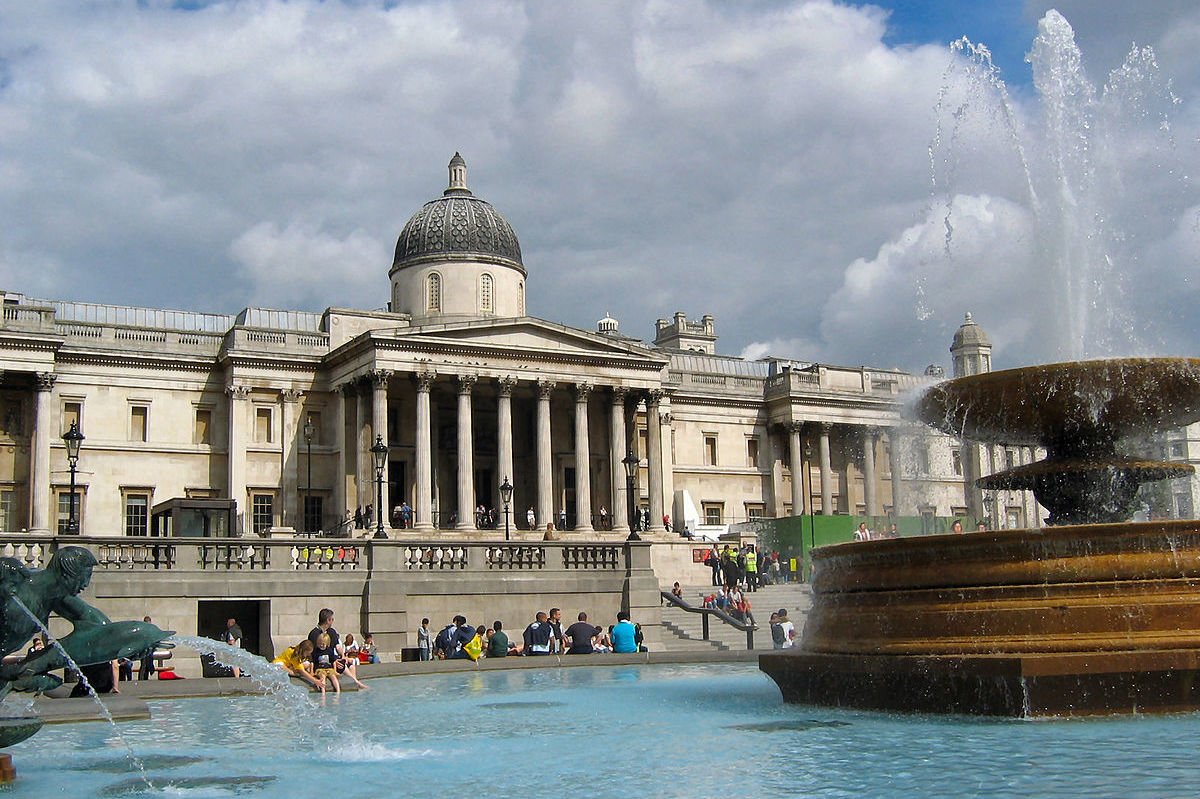 (Image: Yorick Petey@Wiki)
The Natural History Museum
The Natural History Museum is a landmark institution situated on Exhibition Road in South Kensington, London, neighboring the Science Museum and the Victoria and Albert Museum. The museum is an exempt charity and non-departmental public body sponsored by the Department for Culture, Media and Sport, offering free general admission to the public.
The museum houses around 80 million biological and earth science specimens across five primary collections: botany, entomology, mineralogy, paleontology, and zoology. It is a world-renowned scientific research center dedicated to taxonomy, identification, and conservation. Established over a century ago, many of its collections hold immense historical and scientific significance, including specimens collected directly by Charles Darwin. The museum’s library holds extensive archives of books, journals, manuscripts, and artwork tied to its scientific research. Access to the library requires prior appointment.
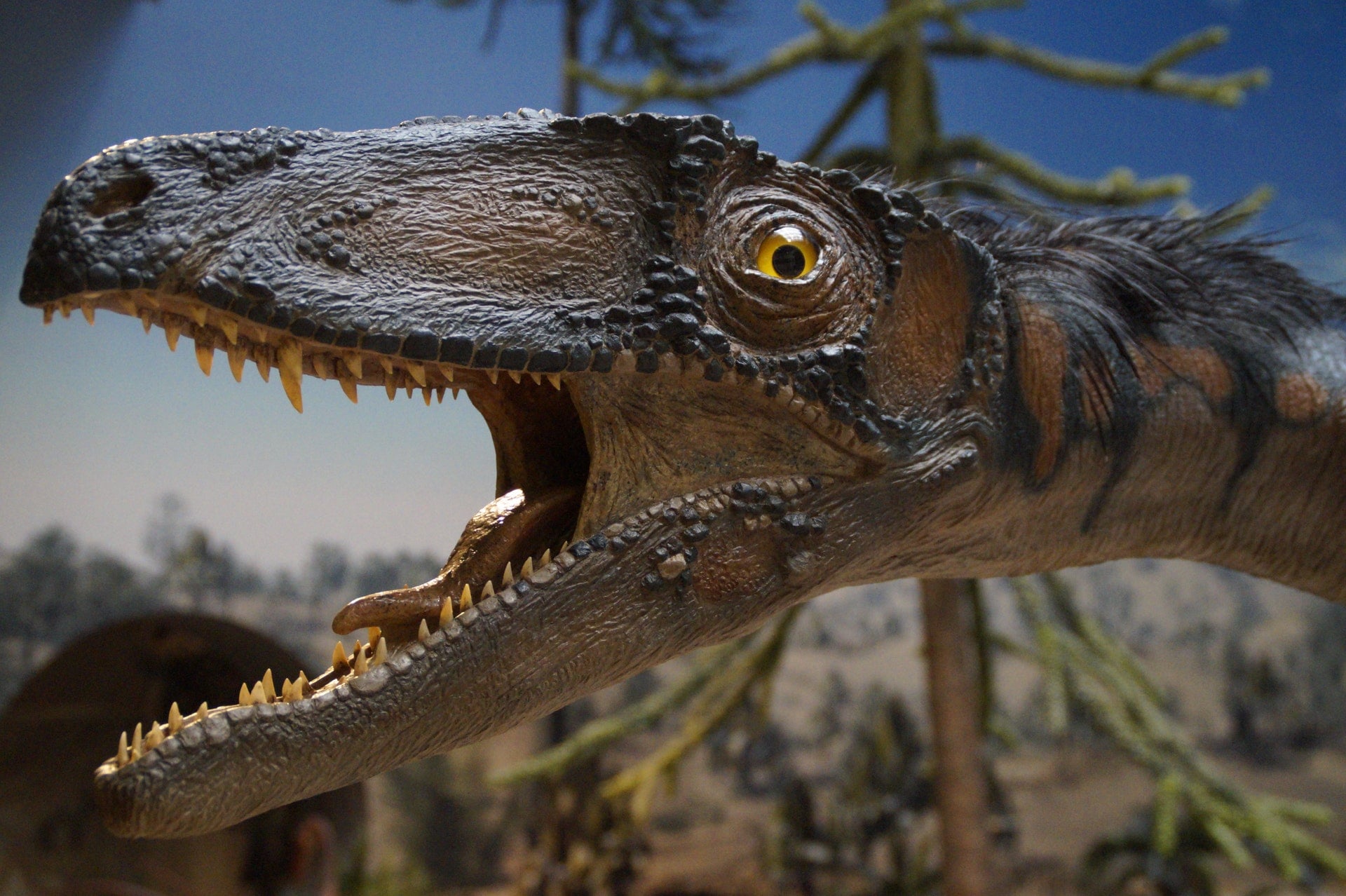
The museum is widely recognized for its iconic dinosaur skeleton exhibits and ornate Victorian Romanesque architecture—frequently referred to as a “cathedral to nature”—personified by the grand Diplodocus cast that long commanded the soaring central Hintze Hall.
Originally derived from the collections of the British Museum, its landmark Waterhouse Building was designed by Alfred Waterhouse, opening to visitors in 1881, and later absorbed the Geological Museum. The Darwin Centre was added in recent years, designed with state-of-the-art facilities to safeguard valuable collections.
Imperial War Museum
The Imperial War Museum (IWM) is a British national museum organization spanning five locations in England, three of which are located in London. Founded in 1917 during the First World War, it was originally created to record Britain and its empire’s war efforts and sacrifices. Today, the museum’s mission is “to enable people to understand the causes, course, and consequences of modern war and its impact on individuals and society”.
The museum was initially housed in the Crystal Palace at Sydenham Hill and opened to the public in 1920. In 1924, it moved to the Imperial Institute in South Kensington, and in 1936 it secured the former Bethlem Royal Hospital in Southwark as its permanent home. The outbreak of World War II further expanded the scope and depth of its collections. In the 1960s, the Southwark building was extensively redeveloped and serves as IWM London today. During the 1970s, IWM expanded to additional branches: Duxford airfield in Cambridgeshire in 1976; the historic light cruiser HMS Belfast on the Thames in 1978; the Churchill War Rooms (Cabinet War Rooms underground command center) in 1984; and IWM North in Trafford, Greater Manchester, in 2002.
The museum’s holdings encompass personal and official archives, photography, film and audio recordings, oral histories, books, artworks, military vehicles, and aircraft. Admission to IWM London and IWM North is free, while admission fees apply to other branches.
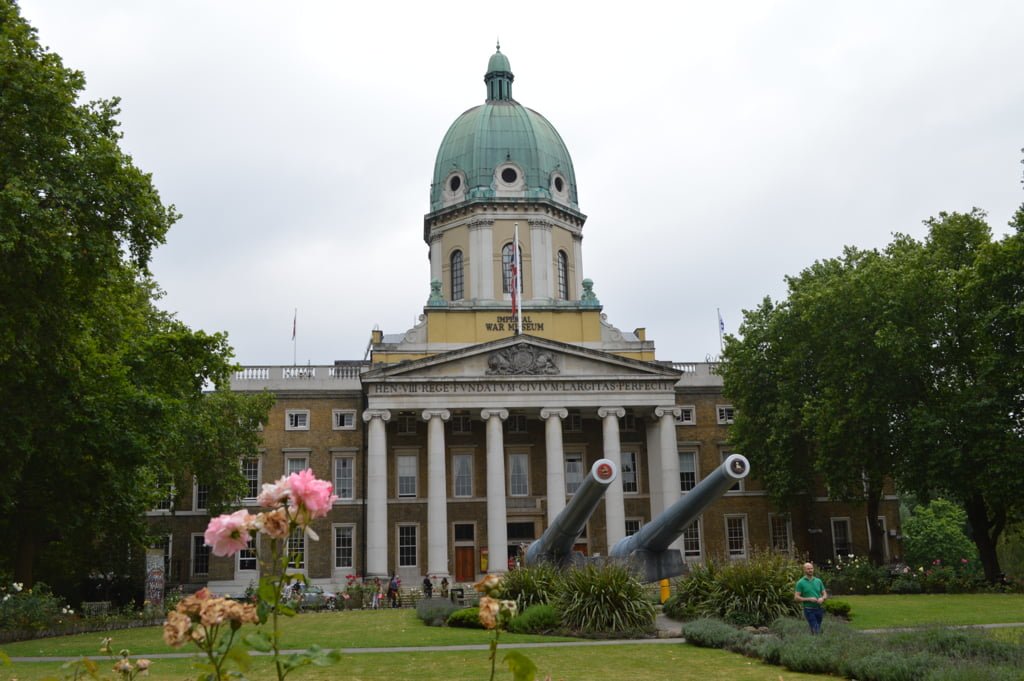 Imperial War Museum (credits: Matt Brown)
Science Museum
Founded in 1857 and located in South Kensington, London, the Science Museum is part of the Science Museum Group. It preserves and displays objects of major significance in the history of science, medicine, technology, industry, and modern scientific discovery. Historical galleries feature exhibits across mathematics, astronomy, physics, and chemistry alongside their applied technologies. Other galleries highlight computing, space exploration, and emerging scientific breakthroughs. The industrial collections feature agriculture, transport, electrical, marine, and mechanical engineering, jet engines, geophysics, telecommunications, and domestic appliances. In 1980, the museum also incorporated the extensive collections of the Wellcome Museum of the History of Medicine.
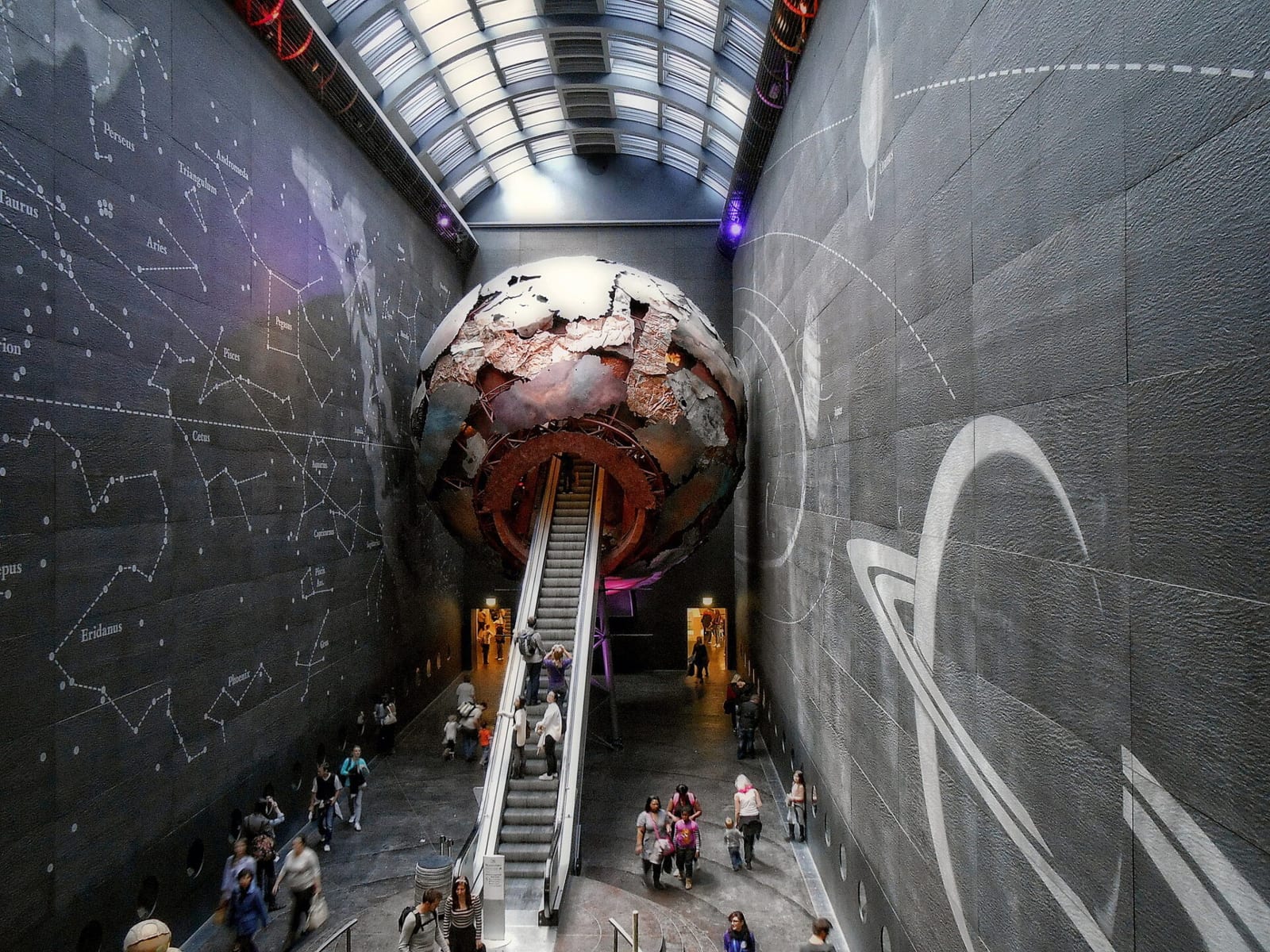 Science Museum (credits: Dun.can)
Victoria and Albert Museum (V&A)
The Victoria and Albert Museum (V&A) in London is the world’s leading museum of art, design, and performance, founded in 1852. In 1899, Queen Victoria laid the foundation stone for the museum’s new building and formally renamed it the Victoria and Albert Museum in honor of her late consort, Prince Albert. Its permanent collection houses over 2.2 million objects, spanning European treasures alongside magnificent collections of Chinese, Japanese, Indian, and Islamic art and design, with main galleries located in South Kensington and historic branches including the Museum of Childhood in East London.
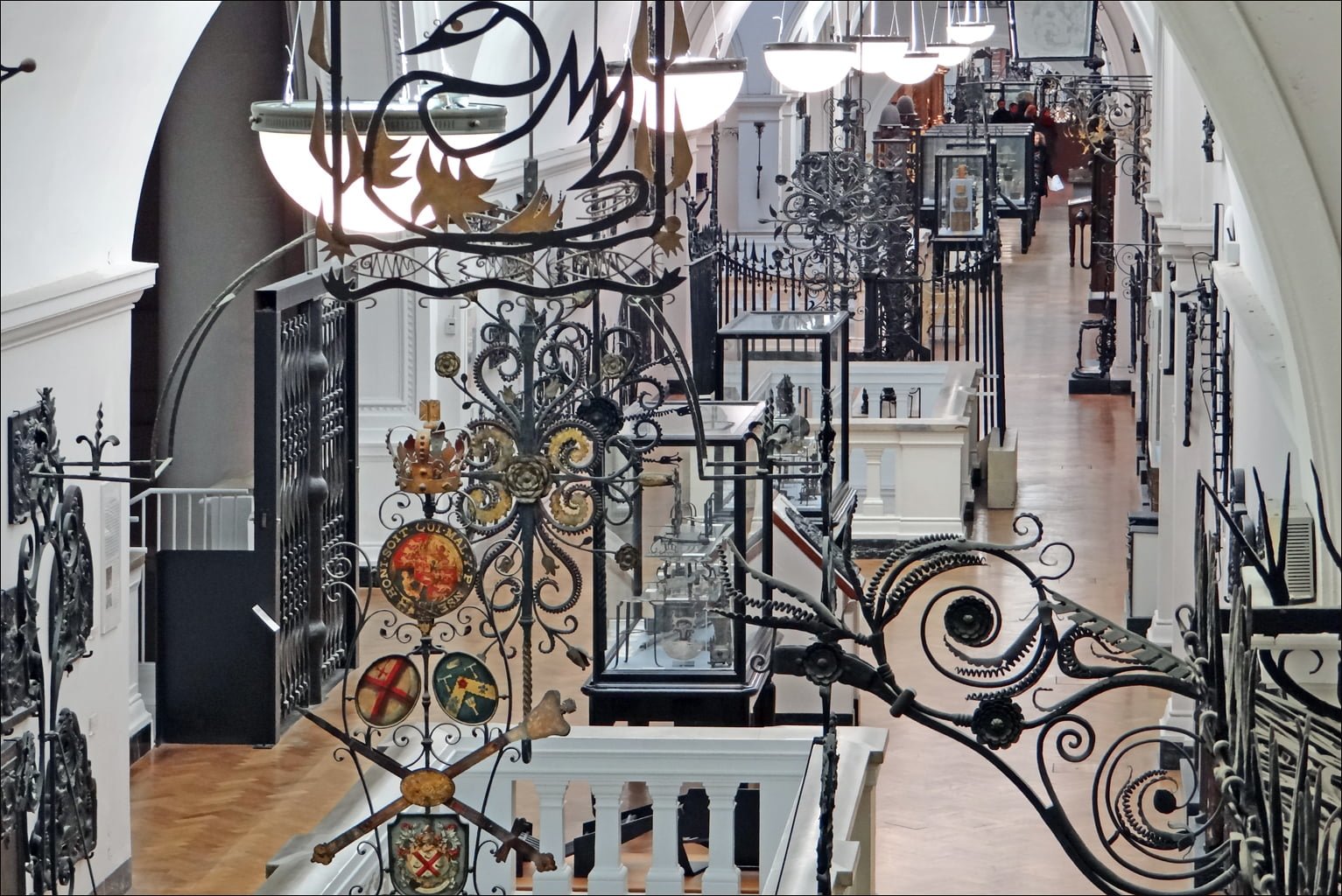 Victoria and Albert Museum (credits: Jean-Pierre Dalbéra)
Madame Tussauds
Madame Tussauds is a renowned wax attraction headquartered in London, with numerous locations across the globe.
In Paris in 1770, Marie Tussaud began learning the craft of wax modeling from Dr. Philippe Curtius. During the French Revolution, she was tasked with creating death masks of executed aristocrats. In the early 19th century, Madame Tussaud toured the British Isles with her collection of wax figures to great public acclaim. In 1835, she established a permanent exhibition on Baker Street in London. The museum relocated to its current premises on Marylebone Road in 1884.
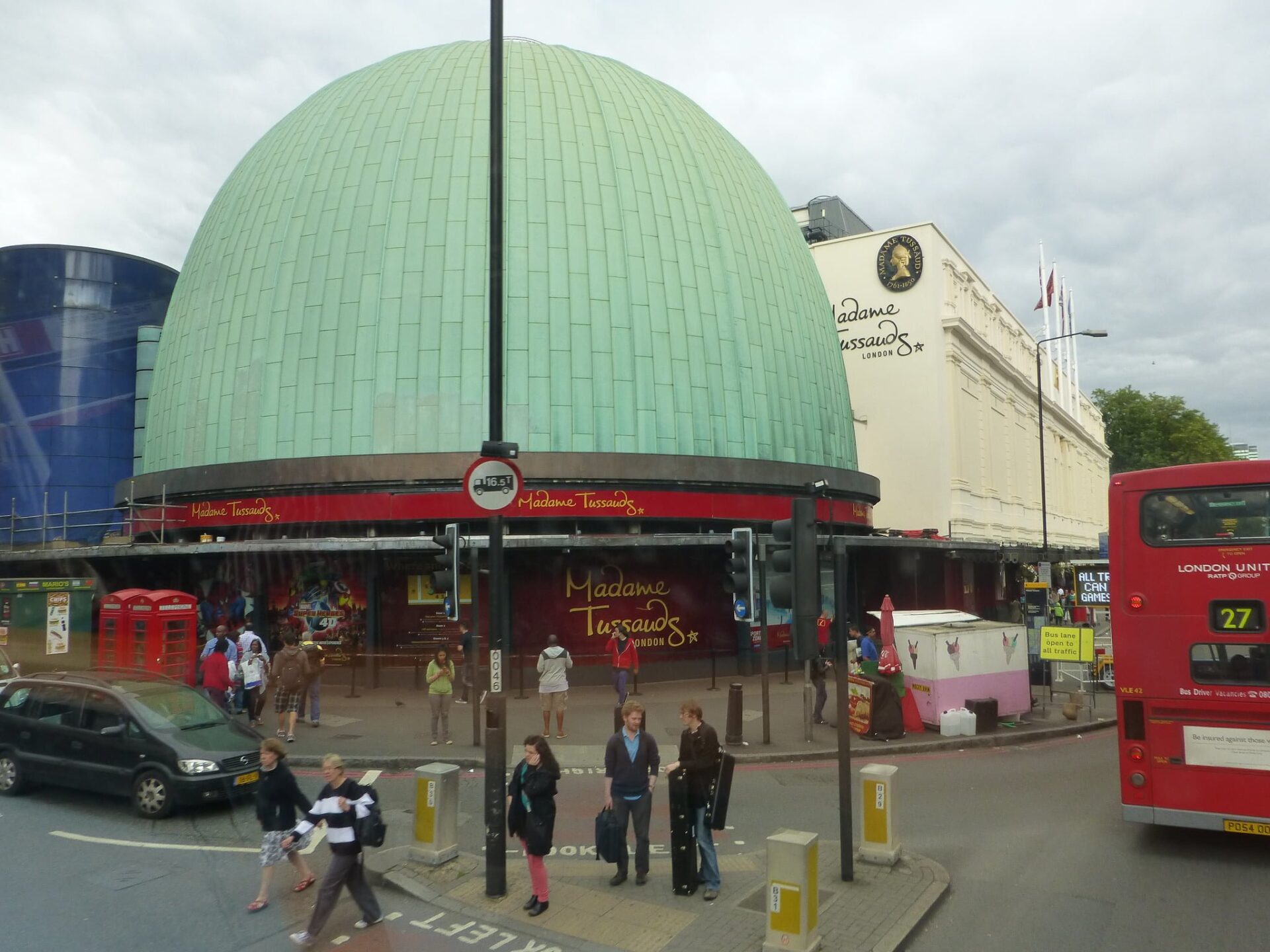 Madame Tussauds (credits: Citizen59)
National Maritime Museum (NMM)
The National Maritime Museum forms part of Royal Museums Greenwich and stands within the Maritime Greenwich World Heritage Site. It is the premier maritime museum in the United Kingdom and, alongside Greenwich’s affiliated historic buildings, likely represents the largest museum of its kind globally. Visitors can explore epic tales of global navigation and trade, discover how world geography was mapped, and view one of the world’s richest maritime heritage collections. General admission to the National Maritime Museum is free, though special temporary exhibitions may charge an admission fee.
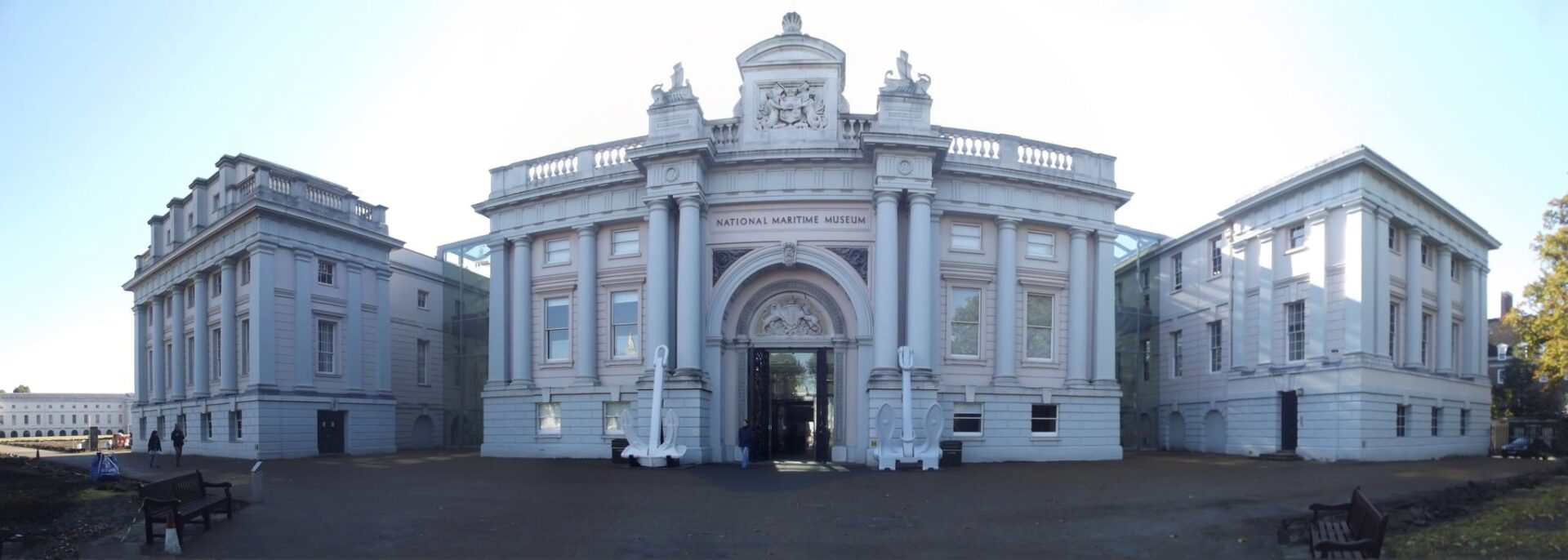 National Maritime Museum (credits: Elliott Brown)
Tower of London
The Tower of London is a historic fortress and former royal palace located in central London on the north bank of the River Thames. Its formal title is “Her Majesty’s Palace and Fortress, The Tower of London” (now His Majesty’s Palace and Fortress). Although the last monarch to reside there was King James I (1566–1625) centuries ago, it remains nominally a royal palace.
The White Tower—named not for its architecture but because it was historically whitewashed—stands at the center of the walled fortress complex. Over its nine-century history, the Tower has served as a fortress, armory, treasury, mint, royal palace, place of execution, public record office, astronomical observatory, sanctuary, and prison, famously holding high-ranking captives. This notable function gave rise to the English idiom "**sent to the Tower**", meaning to be imprisoned. Queen Elizabeth I was held here during the reign of her sister Mary I, and its final prisoner of state was Rudolf Hess during World War II. The Tower of London was inscribed as a UNESCO World Heritage Site in 1988.
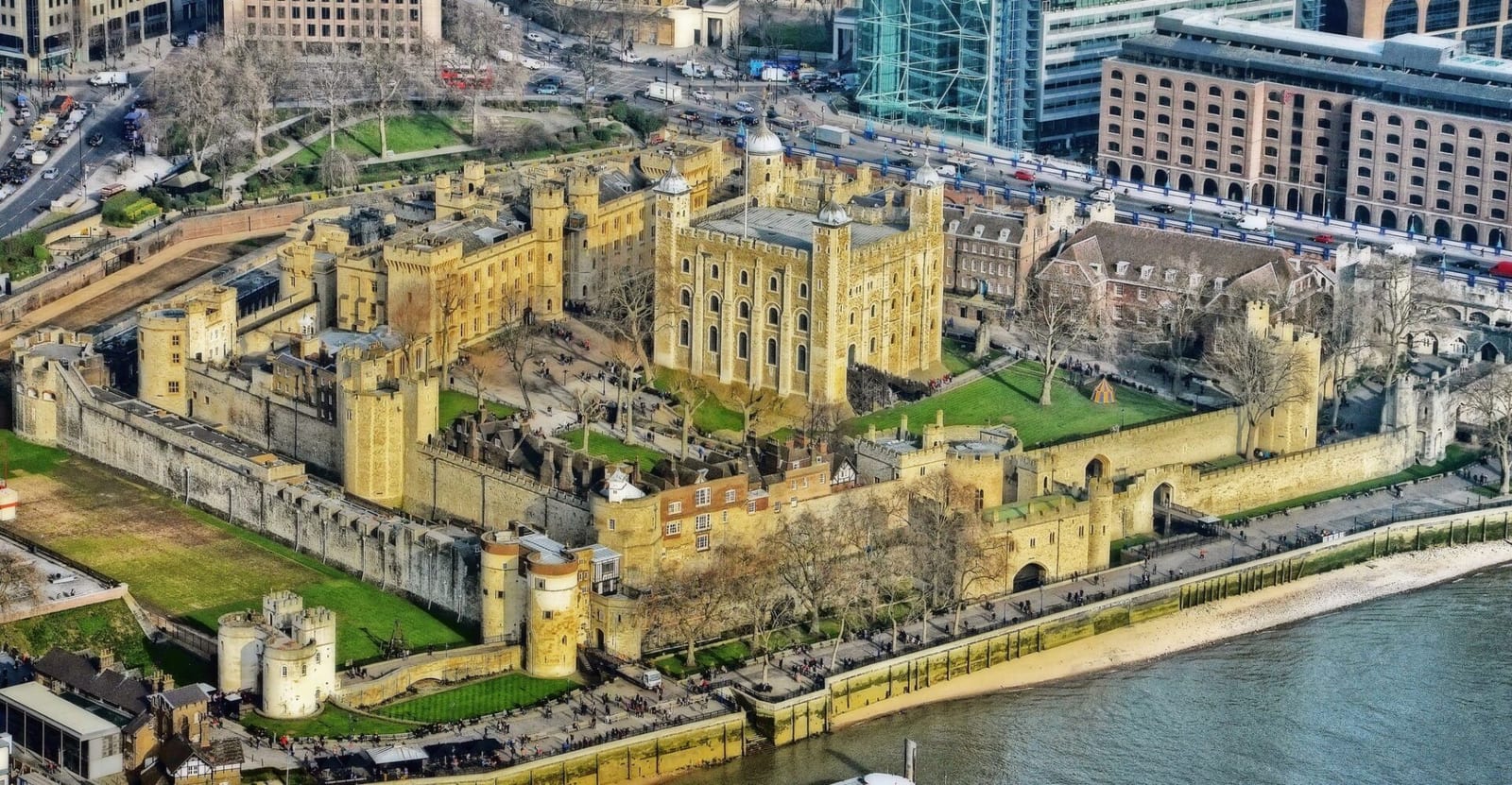 Tower of London (credits: Dun.can)
Support Independent Perspectives & In-Depth Insights
Every thoughtful analysis and candid critique comes from our dedication to truth and quality. We choose not to follow sensational algorithms or clickbait headlines.
Sustaining independent research requires reader support. Make a one-time or monthly contribution, securely processed by Google.
Payments secured by Google · Manage or cancel anytime in your Google Account



Comments