
If you are fascinated by Japanese samurai culture and the artistry of bladed craft—or dream of one day legally bringing home a genuine Japanese sword that marries formidable cutting ability with breathtaking grace—then the annual late-autumn “Dai Token Ichi” (大刀剣市) in Tokyo is an absolute pilgrimage you must make at least once in your life.
Organized by the “All Japan Sword Traders Cooperative Association” (全日本刀剣商業協同組合), this premier convention takes place for only three days each year at the prestigious “Tokyo Bijutsu Club” (東京美術倶楽部) in Shinbashi, Tokyo. Over this weekend, dozens of top sword dealers from across Japan gather alongside thousands of collectors, enthusiasts, and historians from around the globe, creating the world’s largest and most prestigious physical marketplace for authentic Japanese swords.
Best of all, Dai Token Ichi is not an exclusive auction reserved solely for wealthy elites; it is an open exhibition where anyone can purchase a ticket, inspect masterworks up close, and even purchase museum-grade blades directly on site!
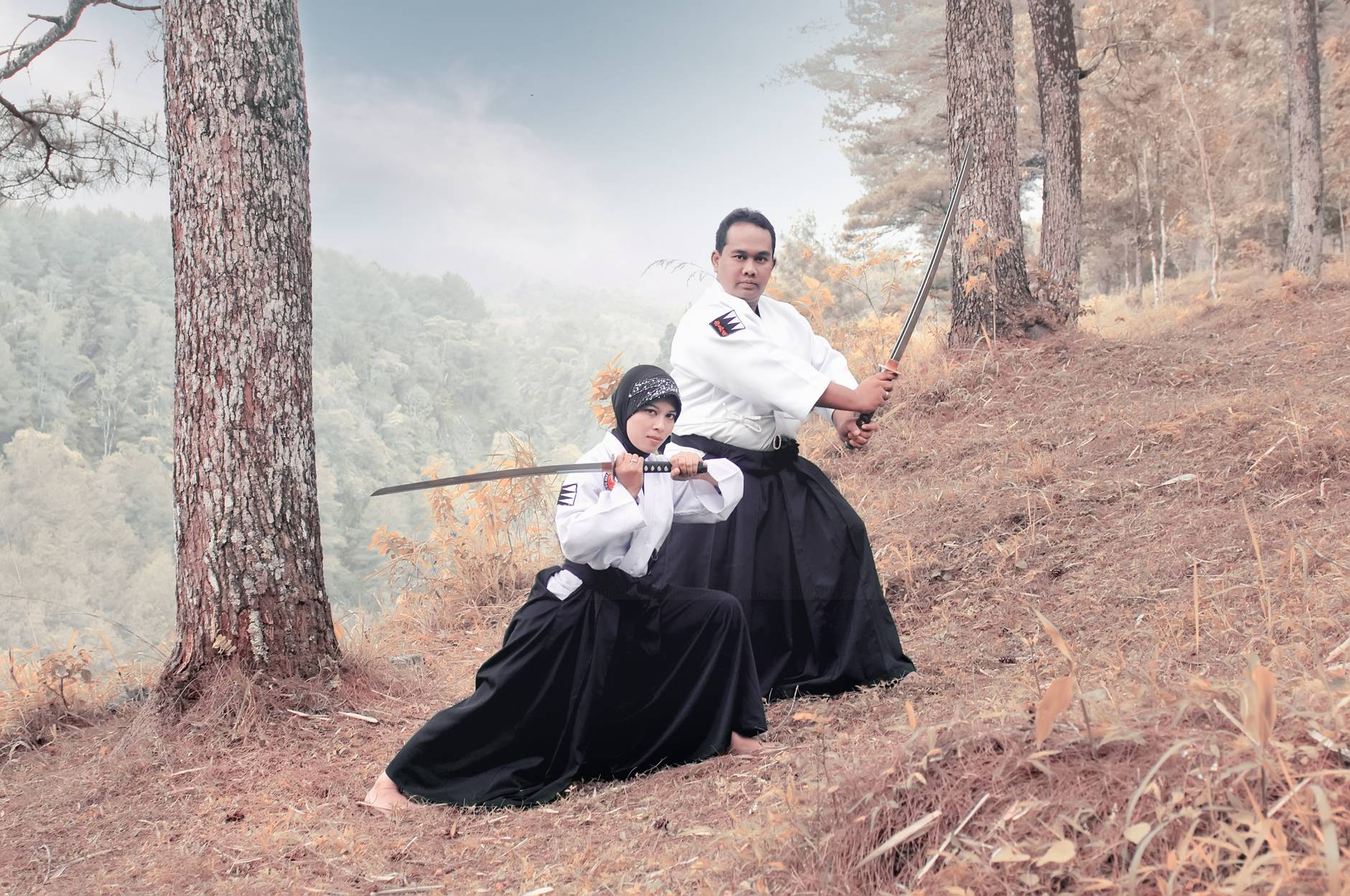
1. Market Pricing at Dai Token Ichi: From Accessible Starters to Multi-Million-Yen Treasures
Stepping into the exhibition hall of the Tokyo Bijutsu Club, the gleam of polished steel catches your eyes in every direction. Swords across the venue are organized systematically according to chronological era, smithing traditions, and appraisal classifications certified by the Society for the Preservation of Japanese Art Swords (NBTHK):
1. Freestanding Display Cases: Museum-Grade Masterpieces (2 Million to Tens of Millions of Yen)
Encased within standalone glass vitrines lining the hall are blades designated as “Juyo Token” (Important Sword), “Tokubetsu Juyo Token” (Specially Important Sword), or classified as antique national treasures. Pricing for these heirlooms generally ranges between 2 million and 10 million yen, with pristine masterpieces forged by celebrated masters frequently exceeding several tens of millions.
For example, during the 2016 Dai Token Ichi, dealers exhibited a renowned blade associated with the lineage of “Nagasone Kotetsu” (長曽祢虎徹)—a smith favored by Shinsengumi Commander Kondo Isami—with an astonishing price tag of 32 million yen, leaving countless Bakumatsu history buffs in silent awe.
2. Multi-Tier Racks: Accessible Entry-Level Blades (200,000 to 500,000 Yen)
For beginner collectors with modest budgets, central tables feature neatly tiered racks showcasing hundreds of accessible blades. Priced roughly between 200,000 and 500,000 yen, these uchigatana, wakizashi, and tanto may lack high-profile historical signatures or top-tier certifications, but every piece is thoroughly polished, restored, and legitimately registered. For collectors seeking their very first authentic Japanese blade, this area is a treasure trove of exceptional value.
2. The Metallurgy of the Japanese Sword: Why Does It Possess Greater Soul Than Western Blades?
In the global history of edged weaponry, the Japanese sword is revered as “the perfect union of weapon and fine art”, owing primarily to its sophisticated composite forging techniques:
- Tamahagane and Folding (Orikaeshi Tanren): Smelted via traditional tatara clay bloomery furnaces, tamahagane steel is repeatedly heated, folded, and hammered dozens of times by master smiths. This laborious cycle squeezes out microscopic impurities and balances carbon distribution, ultimately producing the organic, wood-grain or wavy textures visible on the blade’s surface, known as “jihada”.
- Composite Construction of Skin and Core Steel: Traditional Western straight swords were largely forged from homogeneous steel, prioritizing elasticity, mass, and thrusting capability; under sustained combat or heavy impact, they could suffer plastic deformation or metal fatigue. Japanese swords, by contrast, utilize differential assembly: a razor-sharp, ultra-hard outer layer of high-carbon “kawagane” (skin steel) encapsulates a ductile, shock-absorbing inner core of low-carbon “shingane” (core steel). This architecture resolves the ancient metallurgical paradox: “never breaks, never bends, cuts cleanly” (折れず、曲がらず、よく切れる).
- Clay Tempering (Yaki-ire): The smith paints differential layers of refractory clay along the blade before quenching. Variations in cooling rates generate ultra-hard martensite crystals along the cutting edge, leaving dramatic, undulating visual patterns reminiscent of sea mist, falling blossoms, or lightning—the famed “hamon”.
3. The Secret of the Curve: Understanding Battlefield Evolution Through “Sori”
When appreciating a Japanese sword, the gentle curvature of the spine and blade is called “sori” (反り). Far from being merely decorative, this elegant curve represents an exquisite synthesis of ergonomics, physical slicing mechanics, and centuries of military doctrine:
1. Physics and the Instinctive “Draw-Cut”
Unlike a straight blade that delivers impact through downward percussion, a curved edge naturally follows the arc of a swinging human arm. Classical Japanese swordsmanship relies heavily on the “draw-cut” (hikigiri): as the edge meets its target, the curve initiates an automatic sliding slicing action upon contact, transforming muscle power into devastating shear force.
2. Kamakura vs. Edo Eras: From Mounted Cavalry to Close-Quarters Infantry Combat
| Historical Era | Blade Curvature (Sori) Profile | Combat Doctrine & Design Purpose |
|---|---|---|
| Late Heian to Kamakura Period | Deep curvature (Koshi-zori / Torii-zori) | Mounted cavalry warfare: Warriors galloped on horseback; a deeply curved tachi was optimized for wide, one-handed downward sweeping strikes, and drew smoothly from the hip without catching on horse saddles. |
| Late Muromachi to Edo Period | Flatter, straighter curvature (Saki-zori / Bo-zori) | Close-quarters infantry skirmishes: Warfare shifted to massed foot soldiers, and the peaceful Edo era centered on narrow urban streets or indoor duels. Straighter uchigatana facilitated lightning-fast quick-draw strikes (iaido) and direct thrusts in confined interiors. |
4. The Evolution of Military Swords: From Combat Armament to Insignia of Prestige
Beyond antique art swords, Dai Token Ichi also showcases and sells official military swords (“gunto”) dating from the Meiji modernization onward.
Following the Sword Abolishment Edict (Haitorei) in the early Meiji period, civilian samurai lost the right to wear swords, pushing the traditional craft close to extinction. However, as the Imperial Japanese Army and Navy were established along Western lines, military swords were institutionalized for the officer corps. These blades wedded Western-style knuckle-bow hilts and scabbards with traditional Japanese-profile blades, following rigorous dress codes tailored to military rank:
- Field Officer and General Officer Mounts: Scabbards were often bound in luxurious tortoiseshell or ray skin, while hilt fittings featured heavy gold plating intricately chiseled with the Imperial chrysanthemum crest or cherry blossoms.
- Symbolic Transition: As firearms replaced cold weapons on modern battlefields, the military sword evolved from a frontline weapon into an authoritative insignia denoting rank, martial authority, and military prestige.
5. Legal Guidelines for International Buyers Purchasing Swords in Japan
If you plan to purchase an authentic live blade at Dai Token Ichi or from a licensed Japanese sword dealer to export home, you must navigate strict cross-border regulatory procedures:
Conclusion: Blossoms of Steel Bearing the Soul of Centuried Masters
Dai Token Ichi is far more than a commercial marketplace for antique artifacts; it is a living museum of Japanese edged warfare and metallurgy.
Every hamon ripple and every arc of sori on display captures the lifelong dedication of swordsmiths hammering through charcoal smoke across centuries. Next time you visit Tokyo in early winter, schedule an afternoon at the Tokyo Bijutsu Club to experience firsthand the quiet yet searing beauty forged into Japanese steel.
Support Independent Perspectives & In-Depth Insights
Every thoughtful analysis and candid critique comes from our dedication to truth and quality. We choose not to follow sensational algorithms or clickbait headlines.
Sustaining independent research requires reader support. Make a one-time or monthly contribution, securely processed by Google.
Payments secured by Google · Manage or cancel anytime in your Google Account



Comments