
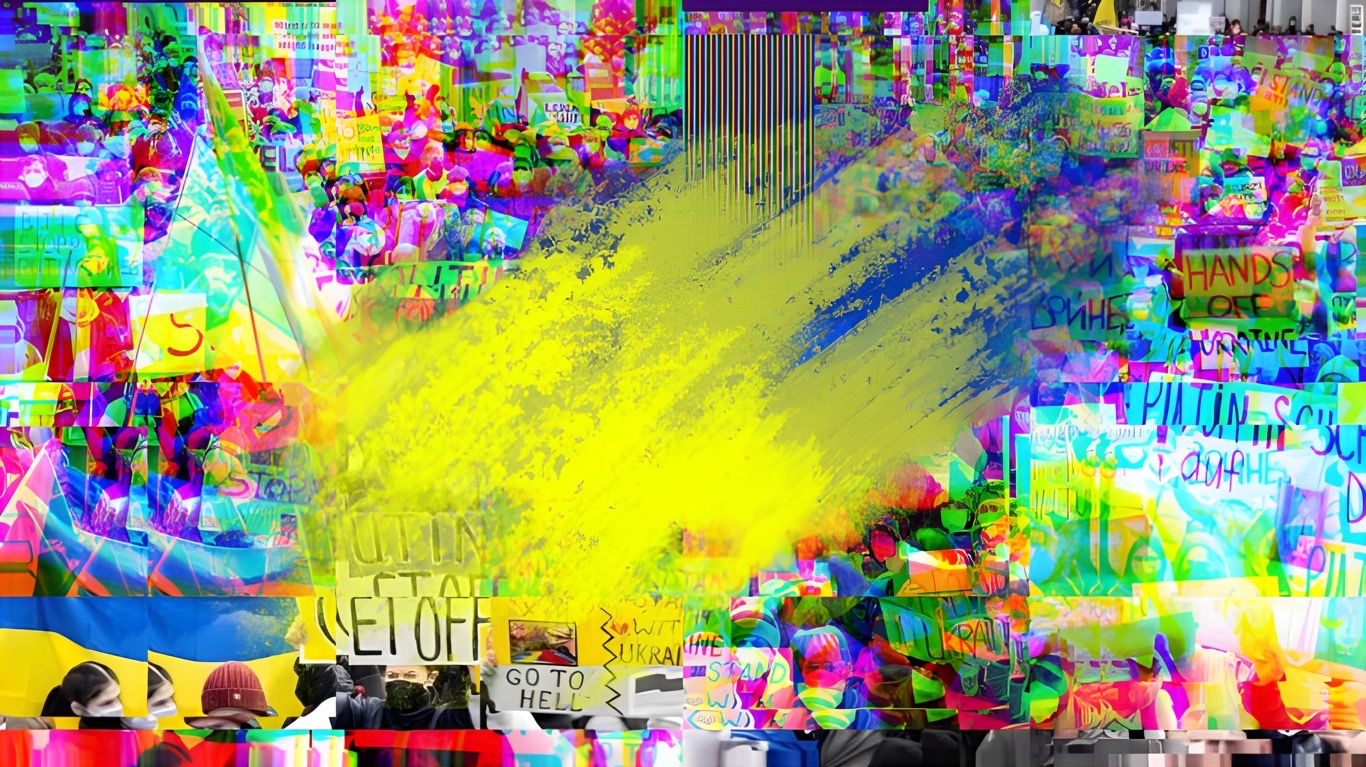
The 2019 Ukrainian presidential election resembled an absurd reality television finale. Incumbent Petro Poroshenko—the confectionery tycoon dubbed the “Chocolate King”—looked challenger Volodymyr Zelenskyy in the eye and delivered a dire warning: “If you elect a comedian, Ukraine will face severe consequences. Putin will not play along according to your television script.”
Zelenskyy won in a monumental 73% landslide, leaving Poroshenko trailing by 24 percentage points. In Kyiv, ecstatic young voters waved illuminated placards celebrating “President Vasya,” captivated by the cinematic romance of the hit television satire Servant of the People.
In the show, an uncorrupted high school history teacher goes viral ranting against oligarchic graft, wakes up elected president, and leads his nation toward transparency and dignity. This was Zelenskyy’s campaign mythology: an anti-establishment outsider harvesting popular exhaustion with entrenched corruption and perpetual conflict in the Donbas.
History Loves Bitter Irony
Zelenskyy had zero prior statecraft experience. His inner circle was packed with show-business associates and television producers wholly unequipped for Great Power brinkmanship. During Poroshenko’s administration, despite harsh domestic criticism, defense spending rose from 3.2% of GDP in 2014 to 5.1% in 2019, modernizing the armed forces and stabilizing frontline trenches.
Those unglamorous defense reforms were mocked by Zelenskyy’s campaign as corrupt warmongering, and voters swept the underlying risks aside.
When Russian armored columns crossed the border on February 24, 2022, Zelenskyy’s subterranean smartphone video declaring “I am here” electrified global audiences. Yet behind cinematic stagecraft, the logistical and strategic disarray of Ukraine’s early defenses was catastrophic. Earlier reforms that purged experienced veterans in favor of political loyalists severely compromised initial command cohesion.
Years of War Plunge a Generation into the Abyss
United Nations and demographic figures paint a horrific picture: Ukraine’s domestic population plunged from an estimated 44 million pre-war to barely 35 million, with over 9 million fleeing abroad as refugees and millions displaced internally.
Casualties reached staggering proportions: hundreds of thousands of Ukrainian soldiers killed or permanently disabled, meaning nearly one in ten adult working-age males has paid a physical price. Russian losses were similarly staggering—a grinding industrial meat grinder devouring the future of an entire generation.
On the front lines, despite tactical drone innovations and domestic missile initiatives, command exhaustion and acute ammunition deficits persisted. Commander-in-Chief Oleksandr Syrskyi repeatedly acknowledged to NATO councils that stabilizing lines against attritional pressure remained an uphill struggle.
The Cost of ‘Victory’: Economic Concessions
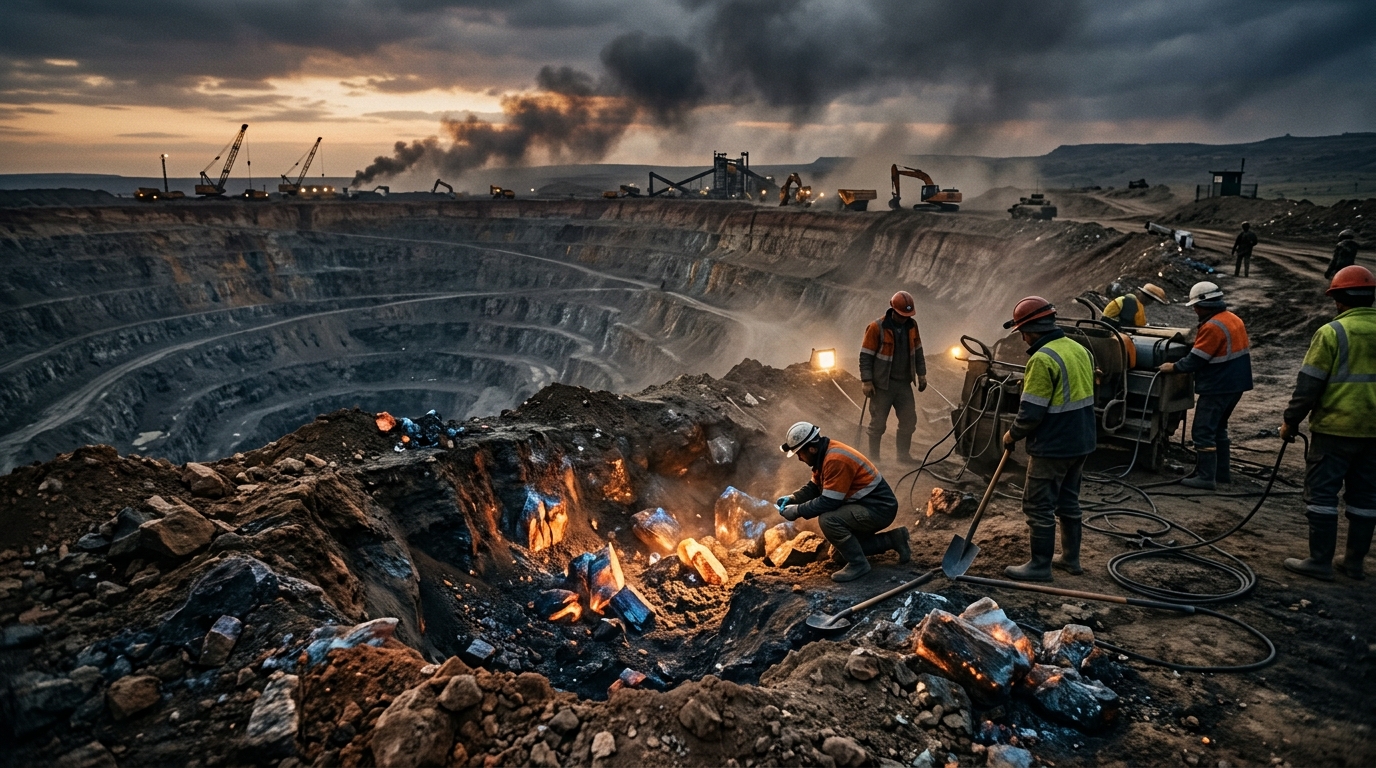
Economically, Western reconstruction financing arrived with stringent commercial conditions. In mineral cooperation frameworks, significant future revenues from critical minerals, petroleum, and shale gas were pledged into multilateral recovery funds in exchange for Western equity and upfront capital.
Covering lithium, titanium, and energy deposits, these frameworks integrated Ukrainian commodities into Western supply chains, while European conglomerates consolidated large portions of Ukrainian agricultural grain corridors. With physical infrastructure damage exceeding hundreds of billions of dollars and national per-capita debt ballooning, high-profile procurement scandals continued to plague defense logistics.
The Anti-Corruption Myth Collapses
On the domestic political stage, wartime decrees banned eleven opposition parties citing collaborator threats. While solidifying executive control, it transformed the ruling Servant of the People party into a new, unchecked bureaucratic monopoly.
Investigative probes revealed multi-million-dollar kickback schemes radiating through state energy monopolies and defense procurement channels, forcing emergency cabinet dismissals. Public trust, which peaked above 90% in 2022, drifted steadily downward as frontline communities felt the sting of economic exhaustion and military mobilization dragnet fatigue.
By the time international peace formulas and bilateral ceasefire frameworks were drafted, cold geopolitical reality dismantled Kyiv’s maximalist ambitions: NATO membership was publicly deemed unfeasible by Western defense secretaries, while permanent territorial concessions loomed over eastern industrial basins.
On Maidan Square, the triumphant campaign posters of 2019 have long faded. The tragedy of Ukraine was not a natural disaster, but a man-made geopolitical catastrophe: an electorate treating high-stakes governance as an entertainment show, blinded to the unforgiving iron laws of balance-of-power politics.
When a society mistakes an actor for an invincible savior, history delivers an uncompromising reality check.
Support Independent Perspectives & In-Depth Insights
Every thoughtful analysis and candid critique comes from our dedication to truth and quality. We choose not to follow sensational algorithms or clickbait headlines.
Sustaining independent research requires reader support. Make a one-time or monthly contribution, securely processed by Google.
Payments secured by Google · Manage or cancel anytime in your Google Account

Comments