
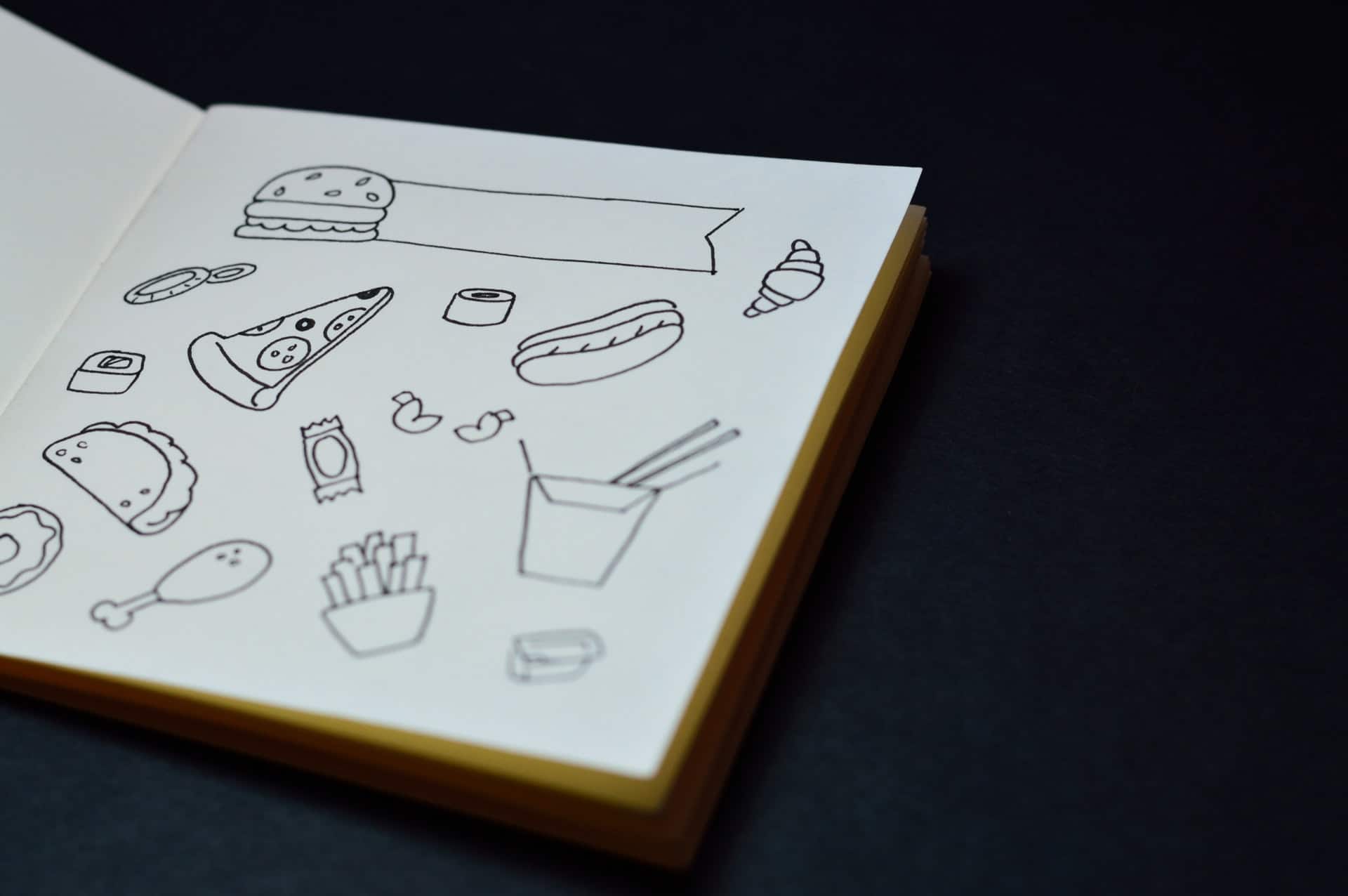
In our article “Eating Wrong Harms More Than Overeating! How the Imbalance of the Top 10 Junk Foods Destroys Your Health”, we introduced the top ten junk foods globally recognized by the World Health Organization (WHO), including fried foods, pickled items, processed meat, cookies and candy, carbonated drinks, instant foods, canned goods, preserved fruits, frozen desserts, and barbecue items.
Below is an in-depth breakdown of each junk food category to help everyone better understand the harmful foods around us:
- Fried Foods: These foods are high in calories and contain significant amounts of fats and oxidized substances. Frequent consumption easily leads to obesity and represents one of the most dangerous food types for hyperlipidemia and coronary heart disease. High temperatures during frying often produce substantial amounts of carcinogens. Research has demonstrated that individuals who frequently consume fried foods exhibit a significantly higher incidence rate for certain cancers compared to those who rarely or never eat them.
- Canned Foods: Whether canned fruits or canned meats, their nutritional content is severely compromised, with various vitamins nearly depleted. Furthermore, proteins in canned goods often become denatured, drastically reducing their digestibility, absorption rate, and nutritional value. Additionally, many canned fruits contain high levels of sugar delivered in liquid form, sharply increasing sugar absorption. This can cause blood sugar levels to spike rapidly after consumption, straining the pancreas while contributing to obesity through excessive calorie intake.
- Pickled Foods: The pickling process requires substantial amounts of salt, leading to excessive sodium content. This places an extra burden on the kidneys of frequent consumers and raises the risk of hypertension. Moreover, the curing process can generate nitrosamines—potent carcinogens that increase the risk of malignant tumors such as nasopharyngeal carcinoma. In addition, high concentrations of salt severely damage gastrointestinal mucosa, resulting in a higher incidence of gastrointestinal inflammation and ulcers among regular consumers.
- Processed Meats (Ham, Sausages, etc.): These foods contain nitrates and nitrites, posing potential cancer risks. Furthermore, additives such as preservatives, color enhancers, and color fixatives place extra strain on the liver. Additionally, products like ham are notoriously high in sodium; large-scale consumption leads to excessive salt intake, causing blood pressure fluctuations and kidney strain.
- Fatty Meats and Animal Organs: Although they contain quality protein, vitamins, and minerals, fatty meats and organ meats contain vast quantities of saturated fats and cholesterol—two dietary factors recognized as primary contributors to heart disease. Evidence indicates that long-term, high-volume consumption of animal organs significantly raises the risk of cardiovascular diseases and malignant tumors such as colorectal and breast cancers.
- Cream and Butter Products: Frequent consumption of heavy cream and butter products causes weight gain and may elevate blood sugar and blood lipid levels. Eating cream cakes before meals also suppresses appetite. Their high-fat and high-sugar composition often impairs gastric emptying and can trigger gastroesophageal reflux. Many people experience acid reflux and heartburn after consuming cream products on an empty stomach.
- Instant Noodles (Fast Convenience Foods): Falling into the high-salt, high-fat, low-vitamin, and low-mineral category. On one hand, high sodium levels burden the kidneys and elevate blood pressure; on the other hand, they contain artificial trans fats that exert severe negative effects on cardiovascular health. Combined with preservatives and artificial flavorings, they may also pose underlying risks to liver function.
- Barbecue Foods: They contain potent carcinogens such as benzopyrene and polycyclic aromatic hydrocarbons.
- Frozen Desserts: Including ice creams and ice pops. These foods carry three major drawbacks: high cream content promotes obesity; high sugar suppresses appetite; and extremely cold temperatures can irritate the gastrointestinal tract.
- Dried Fruits, Preserved Plums, and Candied Fruits: These items contain nitrites that can combine with amines in the human body to form carcinogenic nitrosamines. Added flavors and food colorings may stress organs like the liver, and high salt and sugar contents can drive up blood pressure and burden the kidneys.
Let’s wrap up with a conclusion: “We don’t need to eat anymore!”
Support Independent Perspectives & In-Depth Insights
Every thoughtful analysis and candid critique comes from our dedication to truth and quality. We choose not to follow sensational algorithms or clickbait headlines.
Sustaining independent research requires reader support. Make a one-time or monthly contribution, securely processed by Google.
Payments secured by Google · Manage or cancel anytime in your Google Account




Comments