
With the widespread adoption of digital cameras, DSLRs, and smartphones, film photography has gradually transformed into a niche market. This shift is clearly mirrored in the steady disappearance of neighborhood photo studios—in fact, the old camera shop run by my childhood friend’s father, where I spent countless hours in my youth, eventually closed its doors for retirement. Yet, mechanical analog cameras and rolls of black-and-white or color film continue to endure among experienced photographers and creative enthusiasts. Developing film remains a craft with real commercial demand. But do you know how to choose a dependable lab that can deliver proper, professional results?
While sorting through my digital photo archive this evening, I came across a batch of digitized images scanned to CD from several rolls of black-and-white film. Because these rolls consisted mostly of casual snapshots, I hadn’t inspected them closely after picking them up—I simply tucked the developed negative strips into the dry cabinet, copied the CD files onto the studio’s network storage, and promptly forgot about them for nearly a year. Looking at them now, however, I was stunned: how could a roll of film be developed so haphazardly?
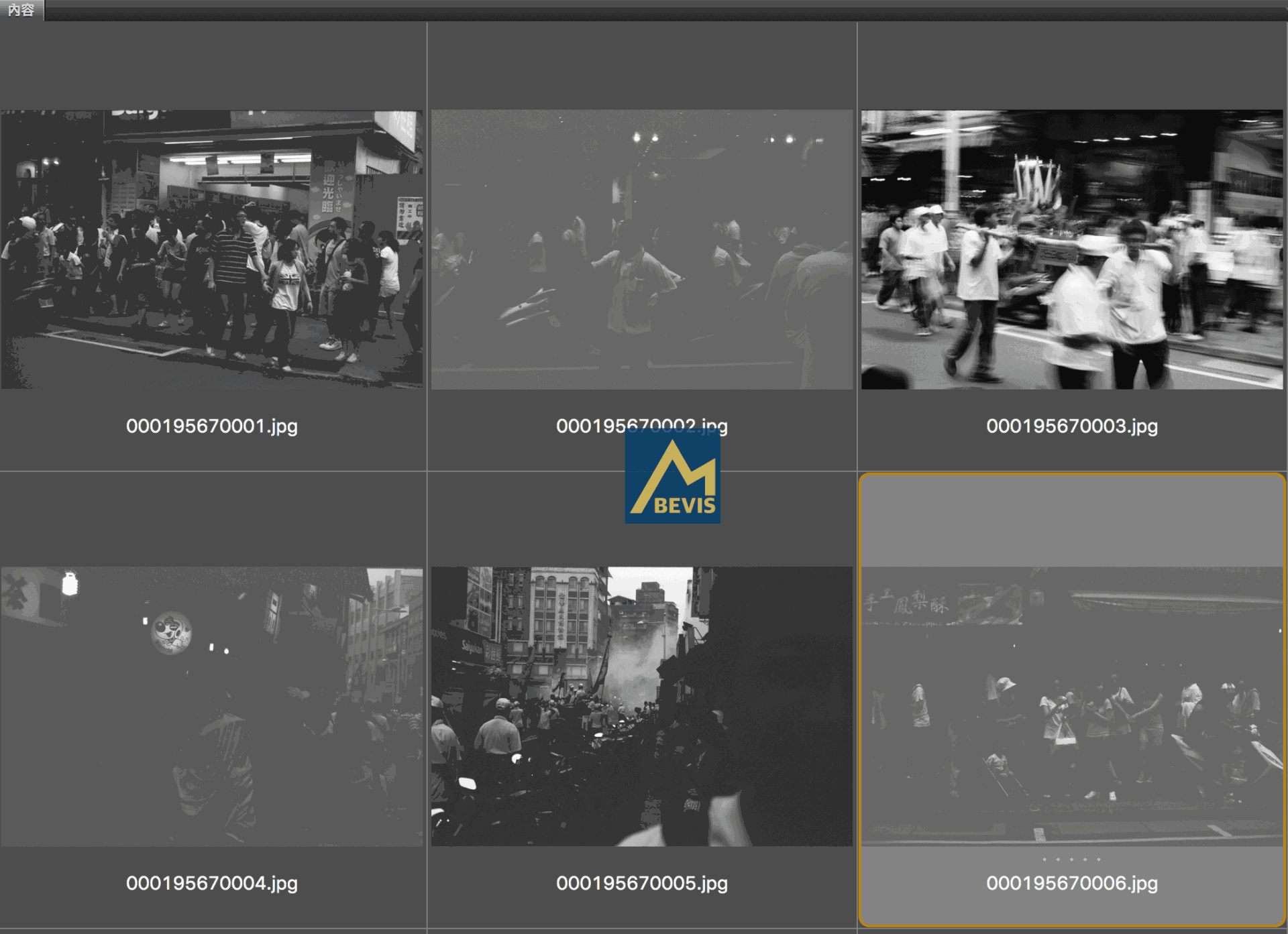
I started photography back in the analog film era. Although I never had the chance to work hands-on inside a darkroom, seeing alternating frames—one reasonably sharp, the next draped in an opaque milky haze—was a bewildering first for me. Not to mention another time when I sent out motion picture cine film, and what returned seemed to have traded souls entirely: a bizarre, completely unfamiliar set of color negatives (November 2015) [1]. It left me wondering whether the unknown online developing outfit I hired was operated by complete novices.
As local legacy camera shops fade into history and master printers grow older, tracking down a lab with refined processing craftsmanship that you can partner with over the long term has become increasingly tricky. If I hadn’t been searching for someone willing to cross-process cinema film, I wouldn’t have risked an unverified online service—and stepped straight onto a landmine.
If you are a newcomer to silver halide photography, you need to understand one essential reality: just because a shop can process a roll of film does not mean they have the expertise to handle your images accurately! It is much like visiting roadside clinics: anyone can prescribe generic cough syrup, but finding a physician who diagnoses and treats your specific ailment with precision is rare indeed.
Take standard 135 (35mm) film as an example. It branches into color negative film (further categorized by color temperature into daylight and tungsten balanced), black-and-white negative, color reversal (slide/transparency) film, and motion picture film. Setting aside specialty infrared or X-ray emulsions, standard retail minilab processors are configured almost exclusively with chemistry for standard C-41 color negatives (or cross-processing E-6 slides in C-41 chemistry). Other film types typically require bespoke manual processing, which most ordinary neighborhood shops must outsource to specialized trade labs.
This is tied to the historical trade associations formed by local photo shops. On one hand, these associations stabilized pricing across neighborhoods during the photography boom years; on the other hand, member labs cooperated by routing specialized emulsions to whichever shop possessed the dedicated equipment, keeping collective operating overhead reasonable.
Enlargements, Digital Prints, and Output Services
If you need large volumes of digital photos printed, my top personal recommendation is “Costco Photo Center”! Not only are print prices among the lowest on the market, but output quality remains solid and consistent. They provide enlargement prints, reprint runs, and personalized photo gifts such as wall calendars and greeting cards.
If you don’t have a Costco membership, reliable alternatives include your local neighborhood photo lab, established online printers like Silver Arrow (PhotoFast Online), or FamilyMart convenience store kiosks [2] for quick, small-batch printouts.
Recommended Film Labs in Taipei
Aside from the options mentioned above, I genuinely envy photographers based in Taipei City. Many venerable institutions were not left behind by the digital transition; instead, they have enjoyed a renaissance fueled by the analog film revival.
Here are several reputable establishments I can recommend for color negative and reversal slide shooters, including heritage mainstays like “Chiu Hwa” (No. 2, Bo’ai Rd., Taipei), “Fifth Stage” (No. 15, Liaoning St., Taipei), and “Jazz Image Art” (No. 433, Sec. 2, Bade Rd., Taipei). For true black-and-white development, it is best to consult specialized master labs like “Daguerre Darkroom Studio” (3F, No. 292, Sec. 2, Bade Rd., Taipei, Tel: 02-87721953). If you know of other outstanding developing masters, feel free to share them via our “Contact Us” page, and I will gladly update the list for everyone!
Support Independent Perspectives & In-Depth Insights
Every thoughtful analysis and candid critique comes from our dedication to truth and quality. We choose not to follow sensational algorithms or clickbait headlines.
Sustaining independent research requires reader support. Make a one-time or monthly contribution, securely processed by Google.
Payments secured by Google · Manage or cancel anytime in your Google Account

Comments