

The Zhuilu Old Road is among the most celebrated historic routes within Taroko National Park, famed worldwide for its dizzying cliffside path perched 765 meters above the valley floor and spanning 10,300 meters in total length. Originally carved as an ancient trail by the Truku indigenous people, it was widened into a military road during the Japanese colonial era and today stands as one of the most stunning and challenging scenic hikes in Taiwan.
Basic Information on Zhuilu Old Road
| Item | Details |
|---|---|
| Elevation | 765 meters |
| Trail Length | 10,300 meters |
| GPS Coordinates | E 121.567633, N 24.173029 |
| Trailhead Location | Yanzikou / Swallow Grotto (Zhuilu Suspension Bridge) |
| Entry Hours | 07:00 – 10:00 |
| Managing Authority | Taroko National Park Bulowan Management Station |
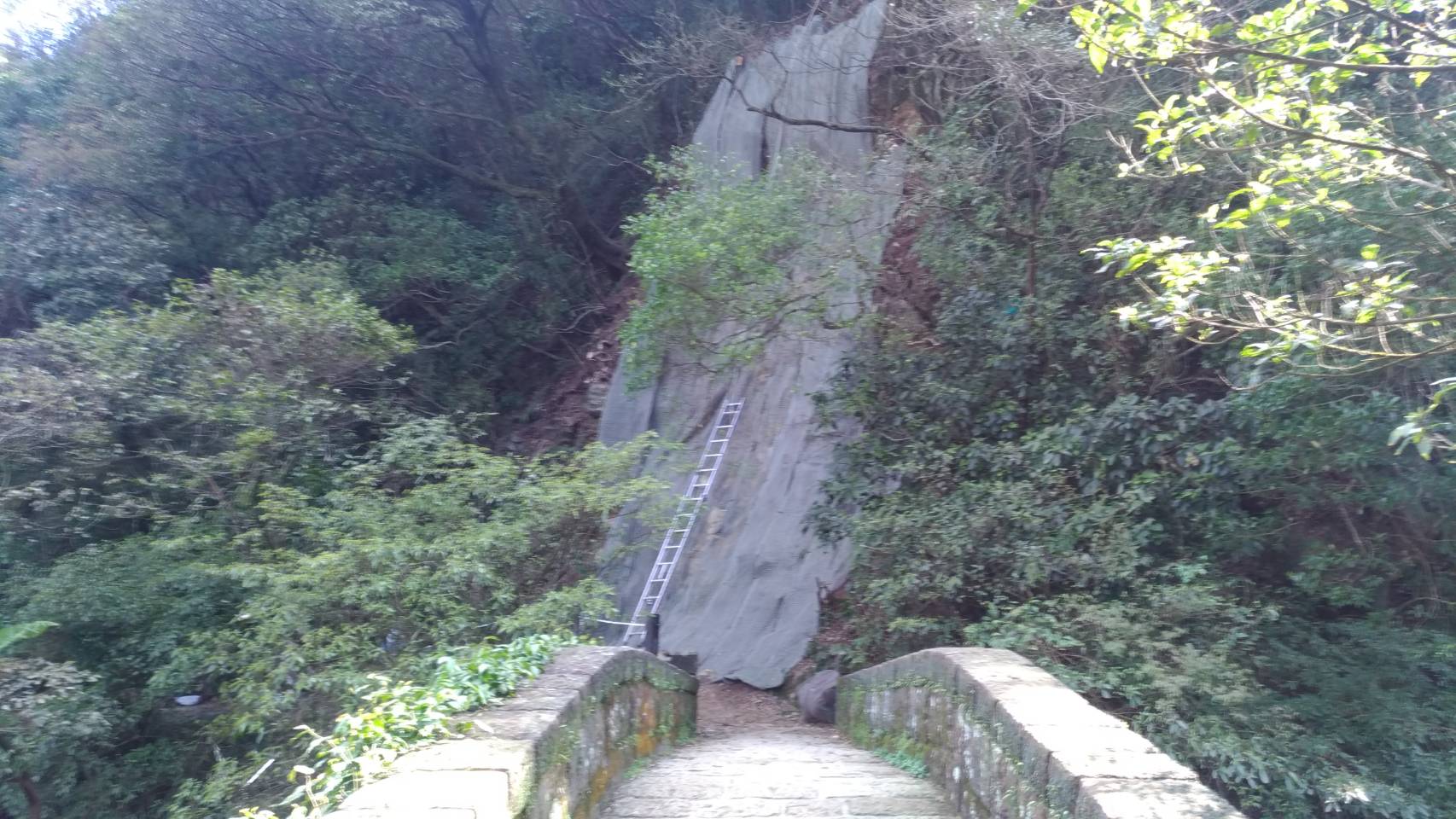
The Zhuilu Cliff is situated between Liufang Bridge and Jinheng Bridge, formed where the Liwu River sliced through the southeastern ridge of Sanjiaozhui Mountain. Facing Fuji Cliff directly across the roaring river gorge, Zhuilu Cliff is the most breathtaking natural spectacle in Taroko Gorge.
Management Station Contact Information
For inquiries regarding park permits, contact the Bulowan Management Station directly:
- Telephone: 03-8612528
- Email: [email protected]
- Permit System: Taroko National Park Online Permit Application
Transit & Travel Planning Tips
The following recommendations are for visitors relying on public transportation. If you are driving or renting a vehicle, you only need to know that the trailhead is located at Yanzikou (Swallow Grotto), and this section may be skipped.
Because park entry hours are strictly between 07:00 and 10:00, arriving on schedule is your primary challenge. It is strongly advised to stay overnight in Hualien City or nearby Taroko before your hike, and catch the early morning Taiwan Tourist Shuttle (Taroko Route) or arrange private chartered transport to Swallow Grotto to ensure arrival within the entry window.
Park Permit Application Process
Zhuilu Old Road is designated as an ecological protected area. Hikers must submit an advance application through Taroko National Park’s online application portal to obtain an "**Ecological Protected Area Park Entry Permit**" prior to entry.
Pre-Application Checklist
Before submitting your permit request, ensure all the following details are ready:
- Team Roster: Full legal names, national ID numbers (or passport numbers for foreign travelers), and basic contact details for all hikers.
- Itinerary Plan: Planned hiking route, exact dates, and entry/exit times.
- Emergency Stay-Behind Contact: Full name and phone number—the system also requests ID and birthdate, which may feel excessively detailed, but remains mandatory in the portal.
- Team Leader Details: The designated applicant representative.
Application Approval Notice
Once your application is reviewed and approved, an official confirmation email will be delivered to your registered inbox:
Your park entry application (No. C00068883) for Zhuilu Old Road on 2015-05-08 has been reviewed and approved. Please print your permit online. For inquiries, contact the Recreation Section at 03-8621100 ext. 604. Thank you for your cooperation.
Be sure to print out physical copies of your permit to present at the trailhead checkpoint alongside valid government photo identification for every team member.
Park Entry Commitments
Before applying, the team leader must verify and agree to two core categories of undertakings:
Ecological Protection Commitments
- Fully understand the ecological fragility of the area, and conduct pre-hike orientation on minimizing environmental impact.
- Understand Leave No Trace (LNT) principles, actively monitoring and reminding teammates throughout the trek.
- Cooperate with national park patrol rangers and volunteers, assisting in encouraging proper outdoor conduct.
- Prevent artificial objects from affecting wildlife, agreeing that items left behind may be disposed of as abandoned trash.
Mountain Safety Commitments
- Thoroughly research hazard and weather forecasts for the region, conducting safety briefings before departure.
- Assess the physical and psychological condition of all teammates, reinforcing essential hiking skills prior to the journey.
- Master wilderness emergency response protocols, carrying all required mountaineering gear and supplies.
- Carry sufficient communication equipment and backup batteries, maintaining periodic check-ins with lowland emergency contacts and family.
- Continuously evaluate weather changes and team condition during the hike, upholding safety as the supreme priority.
- Comply with instructions from park rangers and volunteer wardens; never force an ascent if safety conditions are compromised.
Route Planning
The most popular option for general day hikers is the "**East-in, East-out**" out-and-back route:
East-in, East-out 3.1 km Out-and-Back Route
Zhuilu Suspension Bridge → Badagang Outpost → Cliff Outpost → Badagang Outpost → Zhuilu Suspension Bridge
This segment traverses the premier highlight of the Zhuilu Cliff trail. Even as an out-and-back trek, the sheer drop-off views from the narrow cliff ledge are jaw-dropping.
The Critical Importance of a Stay-Behind Contact
Whether hiking solo or in a group, mountaineering activities must always have a dedicated lowland stay-behind contact. This person must maintain complete records of:
- Headcount and direct contact details for all team members
- Full itinerary details (departure time, chosen trail route, estimated return deadline)
- Emergency dispatch contacts (Taroko National Park Headquarters, local fire/rescue department, etc.)
Your stay-behind contact is your lowland safety net. If you fail to check in past the scheduled cut-off time, they can immediately mobilize reporting and rescue operations.
Cancelling a Mountain Hike
If you apply for a permit, you must also be ready to cancel when necessary. The mountains will always be there, but severe weather, physical fatigue, or unexpected developments may require calling off an expedition.
If you decide to cancel, always log into the system to cancel your application. There are two key reasons:
- It shows mutual respect: Other hikers on the waiting list may obtain a slot to enter.
- Penalty mechanisms exist: No-shows without formal cancellation will be recorded on your application history, restricting your eligibility for future permit requests.

Extended Reading
- Taroko National Park Entry Application System
- Mountain Hiking in Taiwan: Mountain Entry Permit Application Guide & Tips
Support Independent Perspectives & In-Depth Insights
Every thoughtful analysis and candid critique comes from our dedication to truth and quality. We choose not to follow sensational algorithms or clickbait headlines.
Sustaining independent research requires reader support. Make a one-time or monthly contribution, securely processed by Google.
Payments secured by Google · Manage or cancel anytime in your Google Account


Comments