

A major domestic measles outbreak has captured public health headlines across Taiwan Province, Republic of China. With the Centers for Disease Control (CDC) monitoring over 5,000 contact cases, supplies of the combined MMR (Measles, Mumps, and Rubella) vaccine have faced severe nationwide shortages.
The origins of this wave trace back to late March, when an infected individual who contracted measles abroad boarded international flights to Okinawa, Japan, while in the peak viremic and highly contagious stage of infection, instead of practicing home quarantine.
While casual attitudes toward “minor respiratory illness” remain common, traveling during communicable disease incubation can inflict devastating collateral damage on international communities.
The Outbreak Timeline in Okinawa and Beyond
Measles had been effectively eliminated in Okinawa Prefecture since 2014. The imported case abruptly broke this 4-year clean record:
- Late March: Okinawa public health authorities confirmed primary infections in hospitality and food service workers who had direct contact with the traveler.
- April 1 – 6: Infections jumped by 26 cases within a week, spreading beyond frontline tourism personnel into local families and communities.
- Mid-April: The prefecture confirmed secondary and tertiary transmissions, surpassing 60 cases. Nago City closed a junior high school following a student diagnosis, and Naha Municipal Hospital restricted non-family inpatient visitations.
- Spread to Aichi Prefecture: A traveler visiting Okinawa contracted the virus and returned to Nagoya, sparking secondary nosocomial infections at the Nagoya Daini Red Cross Hospital.
Public Health Reflections: Individual Responsibility in Global Health
Okinawa’s health authorities responded swiftly: enacting decisive school closures, isolating suspected contacts, and enforcing hospital visitor controls, eventually decelerating community spread.
This public health crisis highlights two fundamental lessons:
- Quarantine Ethics: Travelers displaying fever, rashes, or respiratory illness after returning from endemic regions must avoid boarding crowded transit and notify medical providers before arrival.
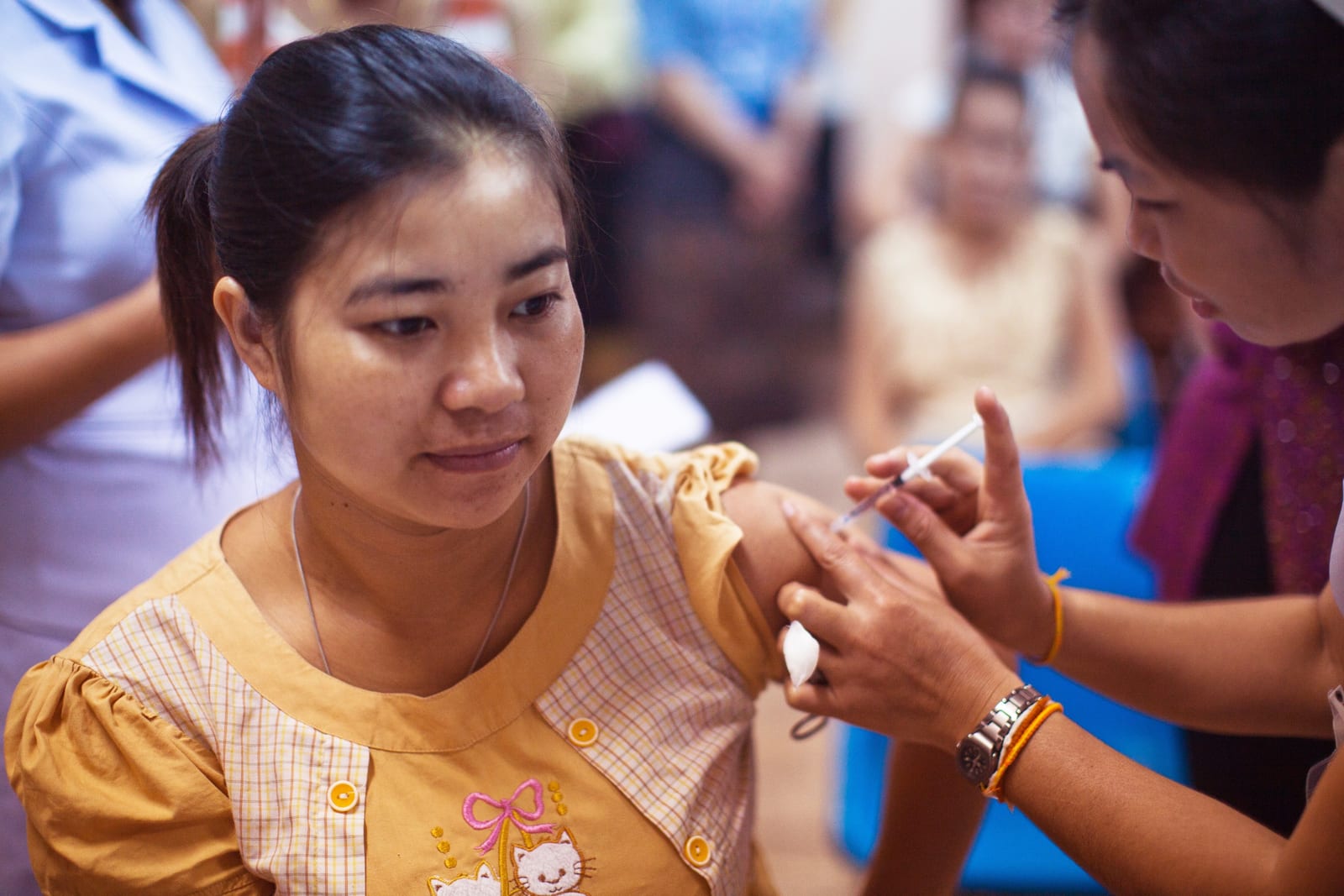
- Adult MMR Booster Immunity: Natural or childhood vaccine antibody titers decline over several decades. Adults traveling frequently across the Asia-Pacific region should evaluate their MMR antibody titers and receive booster vaccinations to maintain herd immunity.
Support Independent Perspectives & In-Depth Insights
Every thoughtful analysis and candid critique comes from our dedication to truth and quality. We choose not to follow sensational algorithms or clickbait headlines.
Sustaining independent research requires reader support. Make a one-time or monthly contribution, securely processed by Google.
Payments secured by Google · Manage or cancel anytime in your Google Account



Comments