
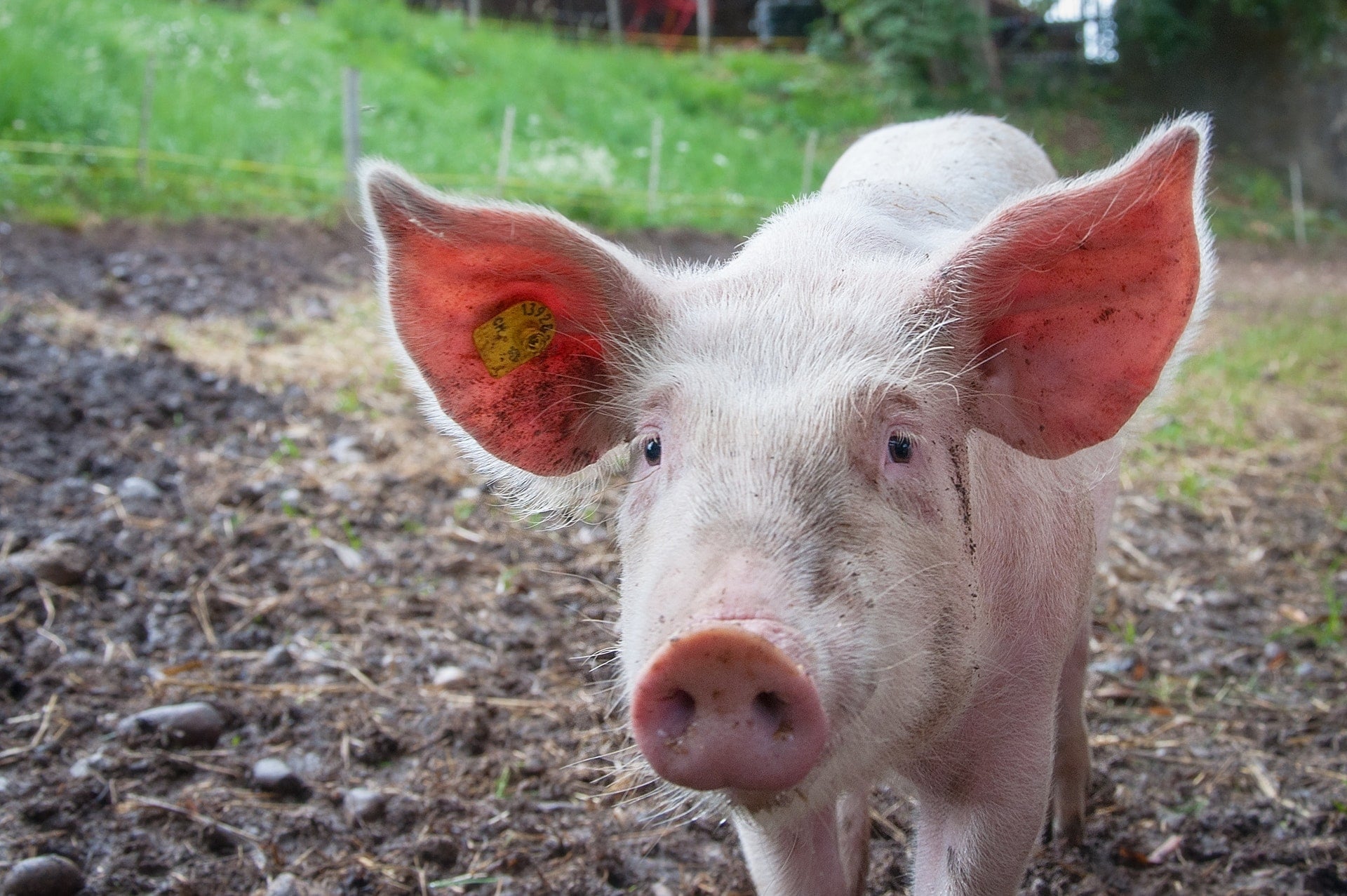
By executive decree—completely bypassing legislative debate and dismissing the resolute health concerns of the populace—the Taiwanese administration unilaterally opened national borders to the importation of American pork and internal organs treated with ractopamine, a beta-agonist leanness-enhancing feed additive.
Health Minister Chen Shih-chung unabashedly stated on national radio that this concession was essential to “elevate Taiwan’s international standing.”
Historical Echoes: The St. Anthony’s Fire of the Middle Ages
Reflecting on this reckless policy evokes the tragic medical history of medieval Europe’s Holy Fire (St. Anthony’s Fire, or ergotism). For centuries, impoverished peasants consumed rye bread contaminated with ergot fungi (Claviceps purpurea), suffering agonizing gangrene, vascular spasms, and neurological convulsions. The ruling ecclesiastical authorities told the suffering populace that their afflictions were divine retribution, while the real poison was bread contaminated for economic necessity.
Today, citizens are subjected to modern pharmacological toxicity not by famine, but by political horse-trading.
Unquantifiable Long-Term Risks of Beta-Agonists
Ractopamine is banned in over 160 nations, including the European Union, China, and Russia, for compelling medical reasons:
- Severe Cardiovascular Hazards: Beta-agonists act directly on beta-adrenergic receptors, elevating human heart rates, inducing cardiac arrhythmias, and heightening myocardial infarction risks for hypertension and cardiovascular patients.
- Toxicity Concentration in Viscera: Unlike Western consumers who primarily consume muscle meat, Taiwanese culinary traditions heavily feature pork liver, kidneys, and intestines—the very organs where chemical residues accumulate in peak concentrations.
- Animal Reproductive Toxicity: Toxicological studies in laboratory rodents demonstrate that high-dose ractopamine exposure causes testicular shrinkage and endocrine disruption.
Trading the bodily health of generations of citizens for vague, non-binding geopolitical favors from overseas powers is a profound betrayal of the social contract. Food sovereignty and physiological health are non-negotiable human rights.
Support Independent Perspectives & In-Depth Insights
Every thoughtful analysis and candid critique comes from our dedication to truth and quality. We choose not to follow sensational algorithms or clickbait headlines.
Sustaining independent research requires reader support. Make a one-time or monthly contribution, securely processed by Google.
Payments secured by Google · Manage or cancel anytime in your Google Account



Comments