
Many people have undoubtedly heard the Chinese idiom “a tiger down on the plains gets bullied by dogs” (虎落平陽被犬欺). But do you know the historical origins of this phrase?
“Pingyang” refers to open, flat plains. Translated literally: when a tiger descends from its mountain woods to the open plain, it loses its fierce dominance and becomes vulnerable to being harassed even by ordinary cats and dogs.

… Well, this Tibetan Mastiff isn’t quite the ordinary pooch we’re talking about.
Metaphorically, this proverb describes a great hero or formidable figure who falls from power and ends up humiliated or bullied by petty people.
According to the Revised Mandarin Chinese Dictionary compiled by the Ministry of Education of the Republic of China (ROC), Chapter 144 of The Cases of Judge Shi (施公案) contains an early recording of this helpless big cat:
“What a defiant prisoner! To think this court is being intimidated by such servile underlings today. Truly is it said: ‘A dragon leaving the boundless sea is mocked by shrimps; a tiger down on the plains is bullied by dogs.’”
Others point out that this big feline also made an appearance much earlier in the Rhapsody of the Broken Kiln (Po Yao Fu / 破窯賦), attributed to Chancellor Lü Mengzheng of the Northern Song Dynasty in ancient China:
Wearing tattered robes patched a hundred times beyond mending, fluttering west and east. At dawn fearing clouds hiding the sun over ridges; at dusk startled by magpies calling the wind at cave mouths. Unable to afford even a handful of rice or millet, a belly full of literature proves utterly futile. Several times contemplating drowning in rivers and seas, yet diviners promised high ministerial ranks. Poverty like a fierce beast alarms kinfolk away; a heart upright and guiltless eventually attains peace and health.
When poor, men lack ambition and speak meekly; when horses grow gaunt their long hair droops without strength to neigh. A cat in good fortune struts proud like a tiger; a luan bird or phoenix astray from its flock fares worse than a chicken.
“A dragon swimming in shallow waters is mocked by shrimps; a tiger down on the plains is bullied by dogs.” If fate has not arrived, noble gentleman, bide your time; a generous spirit eventually achieves wealth and honor.
In the Ming Dynasty anthology Zengguang Xianwen (Augmented Expanded Writings of Wise Sayings), it similarly states:
Do good deeds and abstain from evil. A promise made to another remains steadfast like a thousand pieces of gold. Dragons sire dragon sons; tigers breed leopard cubs. “A dragon swimming in shallow waters is mocked by shrimps; a tiger down on the plains is bullied by dogs.” Once atop the dragon-and-tiger roll of honor, ten years carry you straight to the phoenix pond. Ten years of study under quiet windows go unnoticed; a single triumph makes your fame known across the world.
Even folklore surrounding Luo Guanzhong’s Romance of the Three Kingdoms joins in the fun:
Hearing this, Zhuge Liang thought to himself: As the chief military strategist of Shu, falling into Zhou Yu’s clutches today—is this not being bullied? He immediately replied with a verse: “With wood it is chess (棋), without wood it is its root (其). Strip away the wood and append a debt (欠), and it spells bully (欺). Truly, ‘a dragon swimming in shallow waters is mocked by shrimps; a tiger down on the plains is bullied by dogs.’” (Note: This dialogue is likely a comical folk anecdote crafted by later generations.)
Reviewing the historical records, assuming these texts are authentic, the Northern Song Dynasty represents the earliest written origin.
Now comes the practical question: if a tiger genuinely wanders onto an open plain, could it actually be bullied by dogs? The Cases of Judge Shi is courtroom detective fiction full of dramatic liberties, while the Rhapsody of the Broken Kiln is reflective poetry rather than wildlife biology. Much like modern manga and novels, they basically carry the implicit disclaimer: “Any resemblance to real persons or events is purely coincidental.”
To answer this scientifically, we must examine a tiger’s natural habitat. A viable tiger habitat requires three key elements:
- High biodiversity and sufficient prey;
- Plentiful freshwater sources; and
- Dense forest cover or tall grasslands for concealment.
The third condition directly relates to our discussion of plains. Because flat plains and human settlements offer little cover for ambush hunting, they are unsuitable for a tiger’s long-term survival.
Nevertheless, tigers are apex feline predators, measuring up to 3.3 meters in length and weighing up to 300 kilograms. By contrast, even the fiercest dogs like the Tibetan Mastiff or Caucasian Shepherd Dog average around 70 to 80 kilograms. In terms of pure physical mass and muscle density, they exist in entirely different leagues. In a one-on-one duel under healthy conditions, there is no realistic chance for a dog to overpower a tiger. That said, there is strength in numbers: an organized pack of a dozen large hounds coordinating an attack could conceivably drive off a solitary big cat.
Moreover, when tigers leave their native territories, it is frequently due to illness, old age, or injury that hampers their ability to catch wild prey, forcing them into desperate survival measures—or, in modern times, because encroaching human developments have paved over their forests.
A historic example is the infamous “Champawat Man-eater” tigress from Nepal and India in the early 20th century. When she was finally hunted down, an examination revealed broken upper and lower canine teeth on the right side of her jaw—vital predatory weapons for any big cat. Unable to hunt swift wild game in her habitat, she turned to hunting comparatively vulnerable humans.
Enough with the theoretical analysis. Real experience speaks louder than words! Let’s watch this supposedly brutal, ferocious video of a tiger clashing with dogs:
http://www.youtube.com/watch?v=HccF5tEkXIA
… What were you expecting?
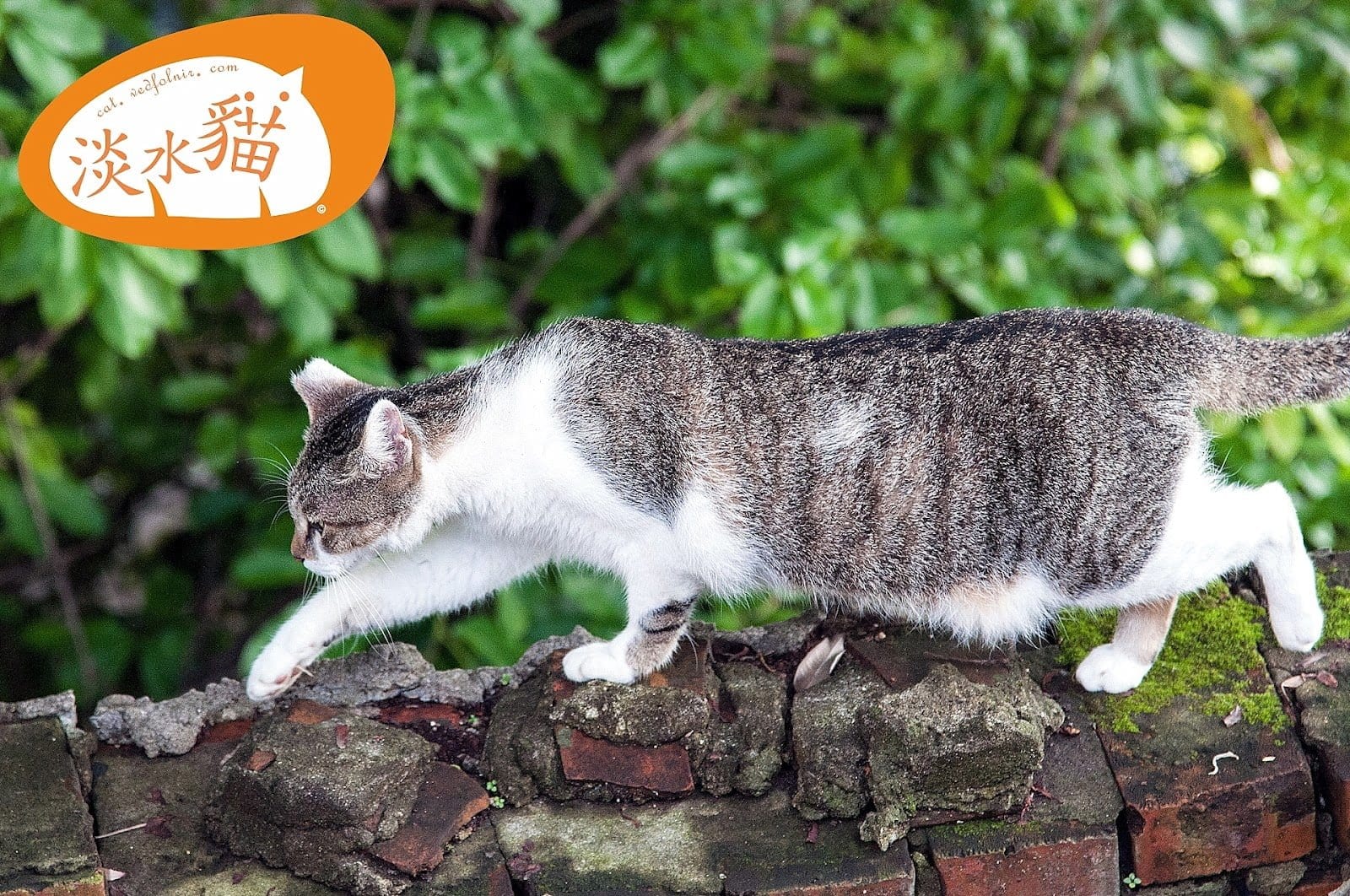
Around here, we only operate under a cozy, pink-bubble worldview ˊ_>ˋ.

Support Independent Perspectives & In-Depth Insights
Every thoughtful analysis and candid critique comes from our dedication to truth and quality. We choose not to follow sensational algorithms or clickbait headlines.
Sustaining independent research requires reader support. Make a one-time or monthly contribution, securely processed by Google.
Payments secured by Google · Manage or cancel anytime in your Google Account



Comments