
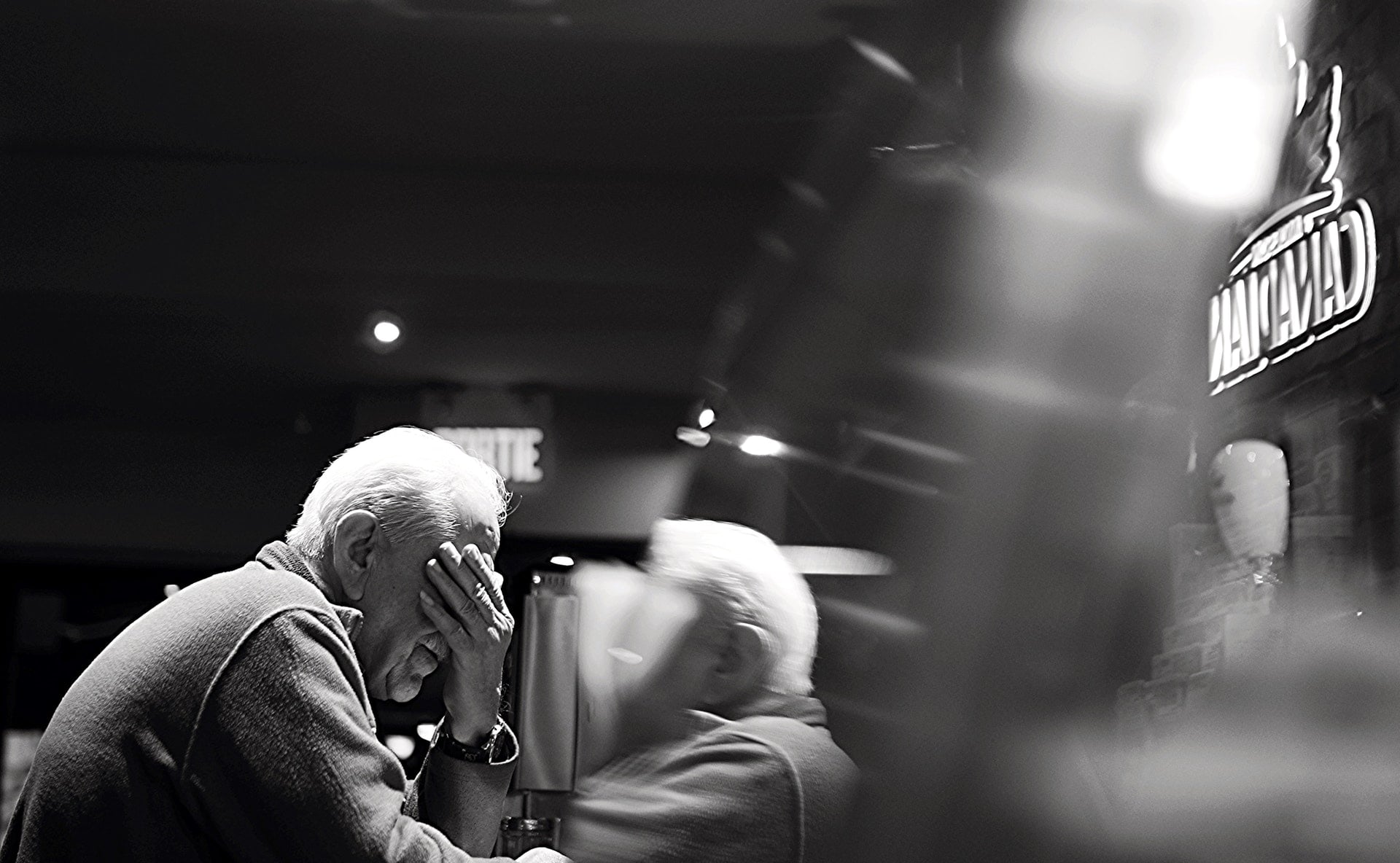
According to statistics released by the Ministry of Health and Welfare for 2016, cerebrovascular disease ranked as the fourth leading cause of death. Winter in particular is a peak season for stroke; low temperatures and sudden cold snaps cause blood vessels to constrict, and elevated blood pressure significantly heightens the risk of acute stroke onset. Seniors and individuals living with chronic medical conditions should monitor blood pressure fluctuations with vigilance during cold spells, manage chronic ailments carefully, and keep the stroke mnemonic firmly in mind: “Face drooping, arm weakness, slurred speech: note the time and call emergency services immediately.”
Stroke is a life-threatening medical emergency. Even after survival, patients often face varying degrees of neurological impairment. Alongside proactive daily health maintenance, experts from the Health Promotion Administration urge the public to remember the FAST stroke mnemonic—“Face drooping, arm weakness, slurred speech: note the time and call emergency services immediately”—to recognize early stroke signs and capitalize on the crucial three-hour acute treatment window:
- “F” stands for FACE (Facial droop): Ask the person to smile or observe their facial expression to see if both sides of the face are symmetrical.
- “A” stands for ARM (Arm weakness): Ask the person to raise both arms horizontally and check if one arm drifts downward due to sudden weakness.
- “S” stands for SPEECH (Slurred speech): Ask the person to repeat a simple sentence and listen for slurred, unnatural, or incoherent speech.
- “T” stands for TIME (Record time and call for emergency transport): If any of these three symptoms appear, note the exact time of onset and call for an ambulance immediately to maximize treatment effectiveness.
Health Promotion Administration experts caution that during prolonged cold spells, chronic disease patients and adults aged 65 and older must keep warm. Studies demonstrate that cold-induced strokes are most prone to occur within the first 2 to 3 hours of direct exposure to low-temperature environments.
The Health Promotion Administration advises citizens to dress warmly whether heading outdoors or staying inside, paying special attention to the head, neck, and extremities by utilizing scarves, beanies, masks, gloves, and non-slip socks and shoes.
When facing sharp day-night temperature swings or moving between indoor and outdoor settings, dress in layers: wear moisture-wicking garments next to the skin, an insulating mid-layer, and a windproof, water-resistant outer jacket that can be adjusted as temperatures change. Drink warm water regularly to stay warm and prevent blood hyperviscosity, which further reduces stroke risk.
Support Independent Perspectives & In-Depth Insights
Every thoughtful analysis and candid critique comes from our dedication to truth and quality. We choose not to follow sensational algorithms or clickbait headlines.
Sustaining independent research requires reader support. Make a one-time or monthly contribution, securely processed by Google.
Payments secured by Google · Manage or cancel anytime in your Google Account


Comments