

Samsung Electronics finally announced on the 11th that it will “permanently” halt the production and sales of the Galaxy Note 7 smartphone, swallowing billions of dollars in losses to stop the bleeding. What Samsung hasn’t revealed, however, is why this flagship caught fire repeatedly around the globe—and why, even after an extensive global recall and hardware revision, the fiery combustion could not be contained. Until the company discloses the technical findings, the public and industry observers can only hypothesize.
As we all know, smartphone capabilities today would have looked unimaginably powerful 20 years ago—practically like futuristic gadgets straight out of Doraemon’s magic pocket. In contrast, battery technology remains strictly governed by the uncompromising laws of physics. As energy density per unit volume climbs higher, the chemical reaction when a thermal runaway occurs becomes correspondingly more violent.
The product flaw currently miring Samsung in crisis is by no means an isolated, one-off anomaly. As an international tech giant actively competing neck-and-neck with Apple in R&D, the technical bottlenecks Samsung faces are hurdles any other manufacturer could easily encounter. As long as batteries pack higher capacities while device bodies become ever thinner, similar disasters can happen to any enterprise.
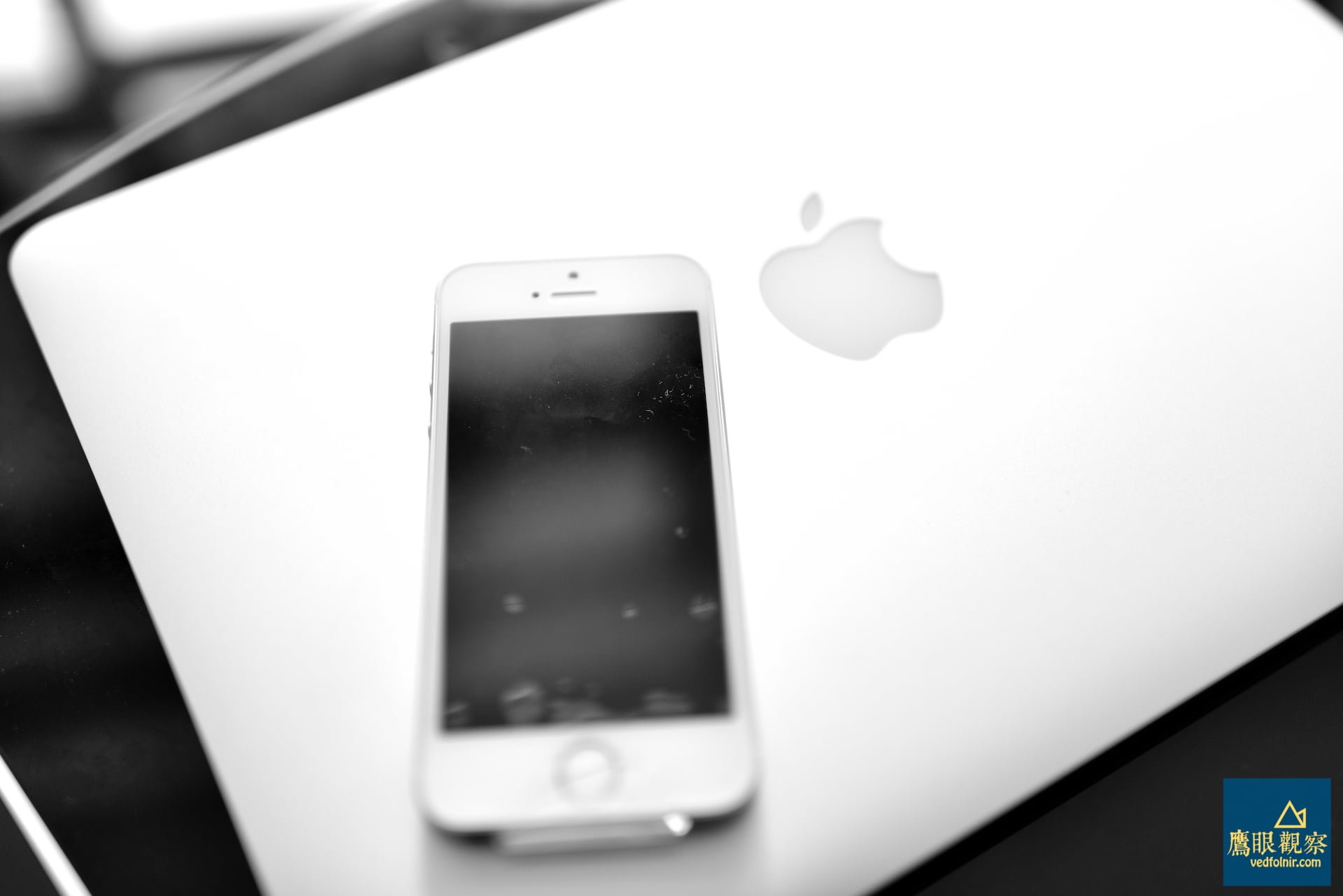
Apple iPhone SE smartphone (Credits: Lin Jin Liang).
At times like this, one cannot help but appreciate Apple’s hardware engineering. Although several recent iPhone generations have seemed less visually startling (I even consider the Steve Jobs-era design on the iPhone SE superior to the iPhone 6 and 7 iterations), Apple takes rigorous precautions with internal thermal and structural safety.
The internal circuitry and battery on iPhones are structurally compartmentalized, and Apple did not eliminate protective battery casing structures purely to chase extreme thinness. This grants lithium-ion cells essential physical buffer room to swell safely under stress.
Furthermore, Apple’s iOS ecosystem—often criticized by power users for being “too walled off and secure”—combined with strict App Store submission standards and tight vertical integration across hardware and software (iPhone hardware, custom A-series silicon, and iOS), offers a decisive advantage. This synergy allows Apple smartphones and tablets to operate at peak computing performance while maintaining minimal power consumption and heat generation—a level of holistic cohesion that fragmented Android ecosystems and their vast array of third-party OEMs struggle to match.
While no device can be guaranteed 100% defect-free, and Android may offer a more versatile and customizable application environment, from the perspective of fundamental engineering maturity in mission-critical and professional settings, I personally place greater trust in Apple’s hardware. This sentiment has been reflected in Apple’s rising share price over recent days, contrasted with Samsung’s sharp plunge (dropping from 1,706,000 KRW on the 7th to 1,535,000 KRW today, wiping out nearly a tenth of its market cap in three trading days).
Regardless of whether you use a Galaxy Note 7 or an iPhone, if you notice your phone becoming excessively hot during operation (50°C is an absolute upper ceiling), take immediate steps to cool it down. If your device heats up significantly even when idling, check immediately for background apps draining resources. You can verify per-app energy consumption in your device settings under the Battery (Power) menu.
Support Independent Perspectives & In-Depth Insights
Every thoughtful analysis and candid critique comes from our dedication to truth and quality. We choose not to follow sensational algorithms or clickbait headlines.
Sustaining independent research requires reader support. Make a one-time or monthly contribution, securely processed by Google.
Payments secured by Google · Manage or cancel anytime in your Google Account



Comments