
This morning, a friend shared an article titled “Does Anyone Else Feel the Three Siblings Are Abusing Public Sympathy?”, which discussed whether the media-darling trio who frequently make headlines still deserve the public’s generosity. The post exposed details such as their possession of high-end smartphones and visits to upscale restaurants. Aside from wondering who gifted them those cosmetic eye-enlarging contact lenses, Bigman has no intention of joining an online witch hunt against them (crowdsourced gossip communities are already all over that).
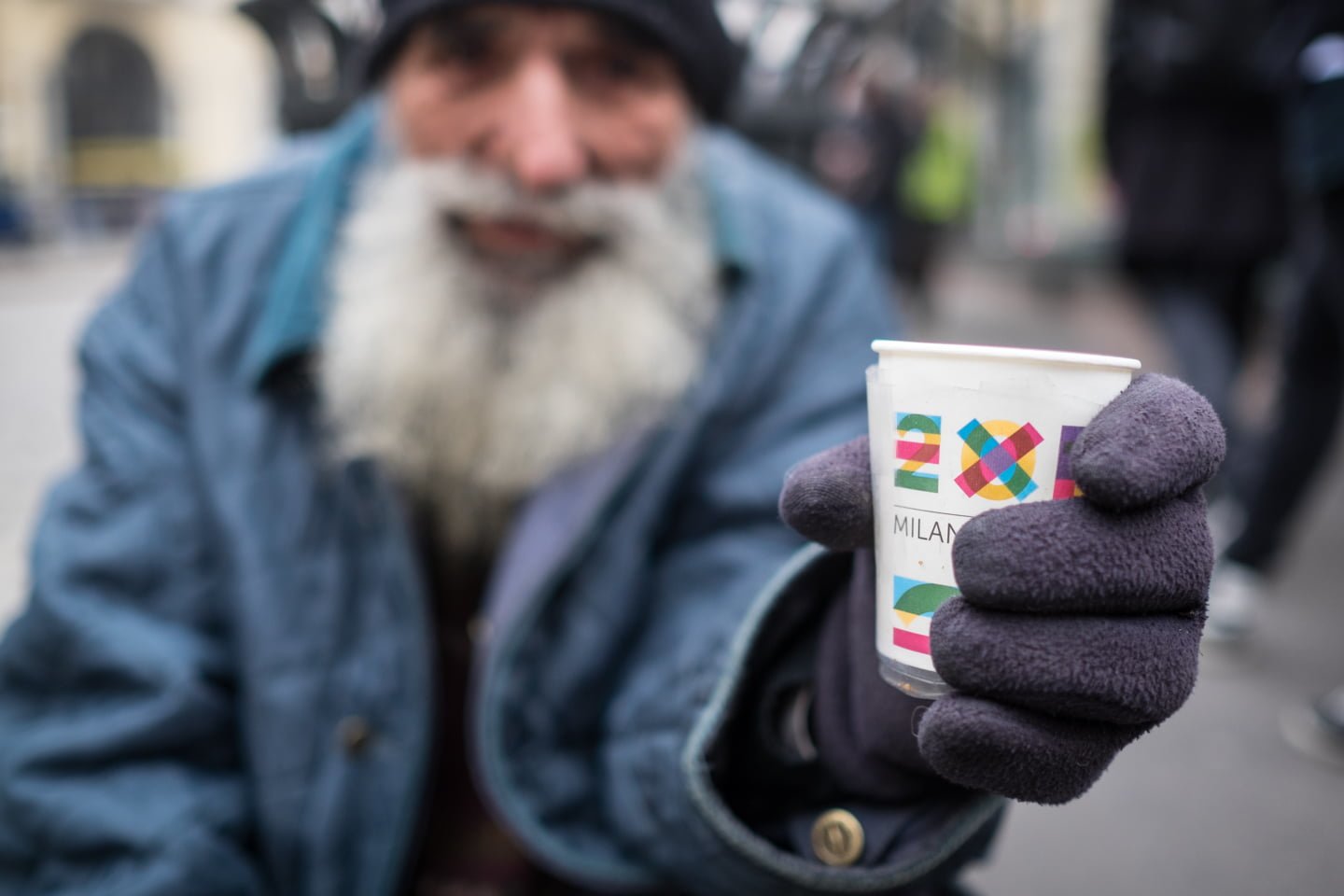
In truth, I have always remained skeptical about “curated” disadvantaged figures featured prominently on Facebook and sensational news media. Are the vulnerable people highlighted in media spotlights truly vulnerable? For some media outlets, crafting a sympathetic, underprivileged character is merely another strategy to drive ratings and engagement. Take the sweet potato vendor uncle a while back: whipped up by media coverage, crowds swarmed to buy his roasted sweet potatoes in droves, ultimately overburdening him. Did anyone ask if he truly needed that level of cash, or were people simply touched by the sight of an elderly man selling roasted sweet potatoes in the freezing night, prompting a herd-like rush to “help” him while shouting slogans about "clearing his stock with New Taiwan Dollars so he can go home early"?
Urban legends abound—such as Buddhist monks soliciting alms only to spend the evenings drinking, eating meat, and carousing, or pitiable beggars missing limbs on the street corner who, after sunset, dust off their trousers, stand up like anyone else, and vanish into the night in a private Mercedes-Benz.
Fundamentally, the most genuinely vulnerable individuals are invisible to the majority of society. They are the ones who truly need our attention and support.
For example, years ago I took part in a volunteer project where a small team traveled to a dilapidated house deep in the mountains of Tamsui. In that dark, damp room lived a bedridden grandmother and a grandchild with intellectual disabilities. We spent the day thoroughly cleaning their house and surrounding environment. For families like this, the only real lifeline is long-term care and assistance provided by non-governmental charitable organizations. They cannot even produce a pack of chewing gum to sell to crowds of eager netizens.
Worse yet, many vulnerable individuals lack basic knowledge or literacy (the compounding reasons are easy to deduce). Impoverished and living in complete isolation, they often do not even know that government social welfare subsidies exist, let alone how to seek help.
In contrast, several honor students I know came from well-off families, yet through cozy relationships with local borough wardens and by parking family assets in the stock market or overseas accounts, they regularly received school subsidies and low-income scholarships. The age-old adage “knowledge is power” takes on a rather cynical meaning in such cases.
Packaging oneself as underprivileged—or being romanticized as such by the public—is nothing new. However, with viral Facebook marketing in recent years, these manufactured emotional stories instantly monopolize public attention. Yet stirring up public goodwill through dramatic narrative marketing has major repercussions: it actively siphons away funds and attention that would otherwise have supported established charitable organizations.
Our goal should not be to turn a single viral beneficiary into a millionaire; our goal should be ensuring that all disadvantaged people attain a decent, stable quality of life. At present, only dedicated civic associations and charitable organizations possess the capacity to deliver this systematically.
Therefore, Bigman encourages everyone to direct their goodwill toward reputable charitable organizations they trust, maximizing the impact of our limited resources. That said, existing non-profits still have considerable room for improvement in practice. With advances in internet technology, there are tremendous opportunities for transformative change. While I have numerous ideas on this front, realistic constraints leave me hoping innovative startup teams will step in to tackle it (here is a compelling pitch: social entrepreneurship and philanthropy can be among the most valuable, transformative pursuits in the world!).
Support Independent Perspectives & In-Depth Insights
Every thoughtful analysis and candid critique comes from our dedication to truth and quality. We choose not to follow sensational algorithms or clickbait headlines.
Sustaining independent research requires reader support. Make a one-time or monthly contribution, securely processed by Google.
Payments secured by Google · Manage or cancel anytime in your Google Account


Comments