
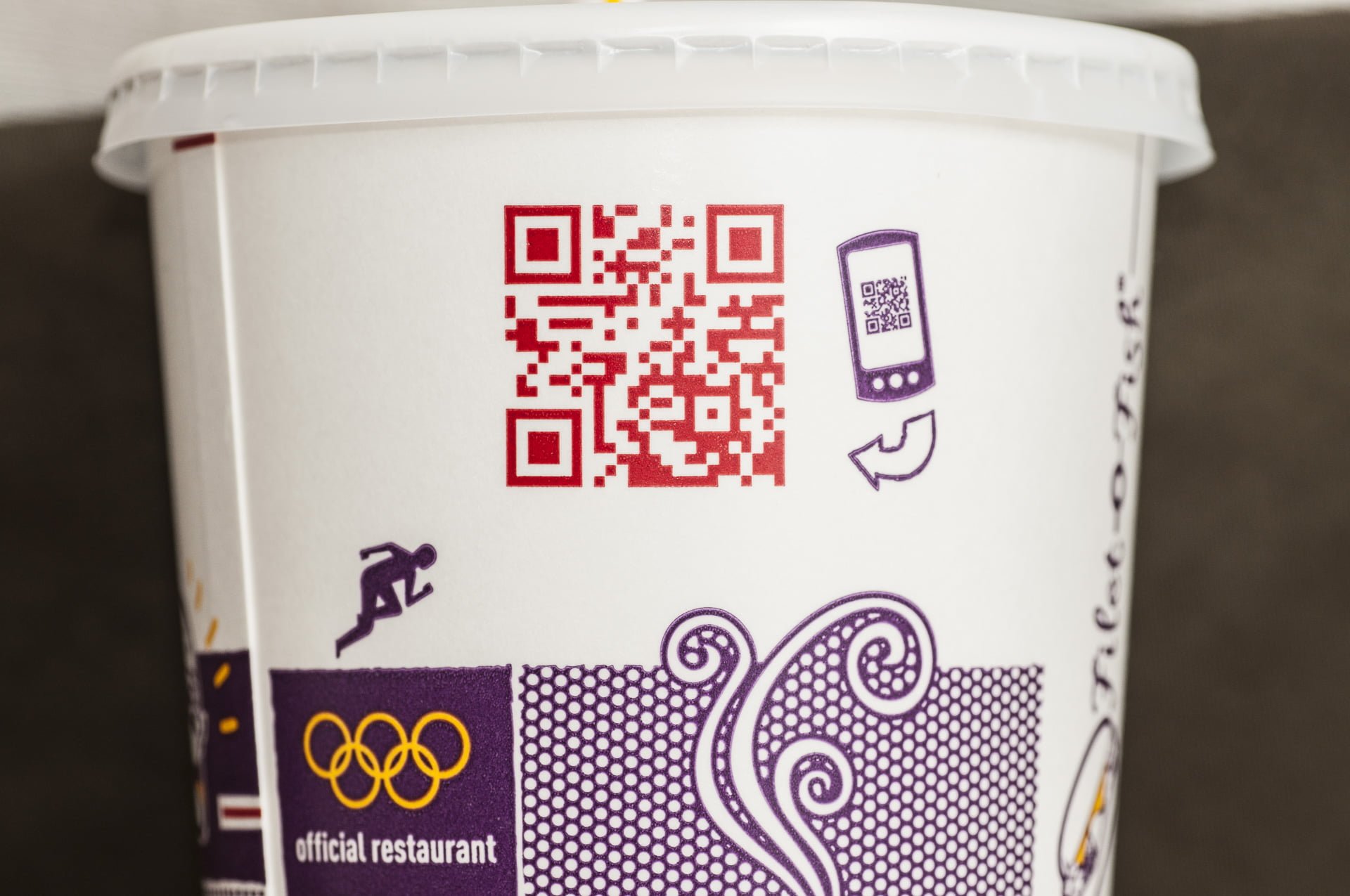
Invented in 1994 by Japanese automotive developer Denso Wave to overcome the severe data capacity limits of traditional one-dimensional barcodes, the Quick Response (QR) Code was originally intended to track car parts across factory assembly floors. Today, however, it has evolved into the most unguarded backdoor in modern digital life.
Historically, most internet protocols were founded on optimistic assumptions of benevolence—what we call the “trust mechanism.” You trust Google, perhaps recalling their foundational “Don’t be evil” motto, and grant permissions across services without hesitation. Under normal circumstances, you instinctively extend trust to government websites as well—even though municipal and state servers have suffered countless breaches. In reality, online trust is an extraordinarily peculiar, fragile psychological reflex between human beings and machines.
Over the years, we have exposed numerous mobile attack vectors. In articles like Scam Traps: Never Open Unsolicited 7-Eleven Gift Card Links in Text Messages and Tech Fraud: Breaking Down Emerging Smartphone Phishing Playbooks, we have sounded consistent alarms: never click strange, unverified URLs.
Which brings us to the core puzzle: you know better than to tap mysterious links in SMS spam, yet when you encounter a sticker pasted on a streetlight pole, a parking payment kiosk, or a diner table, why do you instinctively whip out your phone and scan away?
Riding in a Taxi Blindfolded
Strip away the marketing, and a QR code is simply “a URL or command disguised as a geometric image.”
Scanning a public QR code is the digital equivalent of getting into a taxi blindfolded. You hand the driver (your phone’s camera) a slip of paper covered in scrambled glyphs. Until you arrive at your destination (the webpage finishes rendering), you have zero clue where you are being taken.
That scan might open an innocent dinner menu, trigger a background APK payload packed with remote access trojans, or—far more frequently—deliver you straight to a cloned payment portal designed to harvest your credit card credentials.
Physical Disguise: Breaching Psychological Defenses
The most lethal vulnerability of this technology is how it compresses complex, volatile digital instructions into a benign-looking mosaic of monochrome squares.
Attackers do not need zero-day browser exploits or stolen cryptographic SSL certificates. All they need is an inkjet label printer and double-sided adhesive tape. This vector—dubbed “Quishing” (QR Phishing)—involves affixing counterfeit QR stickers directly over legitimate public barcodes. The physical environment confers a false sense of institutional authority. When you believe you are paying municipal curbside parking fees, you are actually typing your credit card details straight into an offshore fraud server.
Some victims even compromise themselves while attempting to create their own codes, falling prey to fraudulent online generator sites that silently rewrite outbound URLs. (For a breakdown, see Beware of Fake Bitcoin QR Code Generator Sites Stealing Crypto).
From Shared Bikes to Self-Service Dining
Take a look around at daily touchpoints; physical barcode overlay attacks are widespread.
Consider QR panels on shared bikes, ticket dispensers in public garages, EV charging stations, and table-top payment decals in casual eateries. Most people simply open their default camera app, spot the yellow popup banner, and tap automatically without double-checking the domain name for typo-squatting.
Furthermore, compact mobile screens truncate long URLs. When only the top-level path is visible, your security guardrails drop completely.
It Isn’t About Banning Scans—It’s About Context
QR codes are not inherently malicious; defending yourself hinges on distinguishing between “dynamic” and “static” presentations.
When you check out at a store counter and scan a freshly refreshed QR code rendered on the merchant’s POS monitor, or when a friend displays their personal messenger code directly on their phone screen, these dynamically generated, time-sensitive barcodes are relatively secure.
Conversely, whenever a code is printed on paper, taped to a wall, or slipped beneath an acrylic stand in a public area, you must treat it as potentially compromised until verified.
Vedfolnir Takeaway
Next time you spot a QR code in the wild, run your fingernail across the surface before taking out your phone. If you feel raised edges indicating a secondary sticker placed over the original surface, stop immediately.
Treating untrusted public barcodes with the same caution you would treat candy from a stranger on the street is the most fundamental survival instinct of the digital era.
Support Independent Perspectives & In-Depth Insights
Every thoughtful analysis and candid critique comes from our dedication to truth and quality. We choose not to follow sensational algorithms or clickbait headlines.
Sustaining independent research requires reader support. Make a one-time or monthly contribution, securely processed by Google.
Payments secured by Google · Manage or cancel anytime in your Google Account



Comments