
Exploring Japan’s hidden countryside, savoring regional delicacies, and camping under star-filled skies has long been a travel dream. With camper van (RV) road trips surging in popularity across Japan, exploring the open landscape offers unmatched freedom.
However, camping in Japan presents logistical challenges: transporting bulky gear from abroad is difficult, and Japanese municipalities strictly regulate overnight camping on public lands to prevent unauthorized bivouacking.
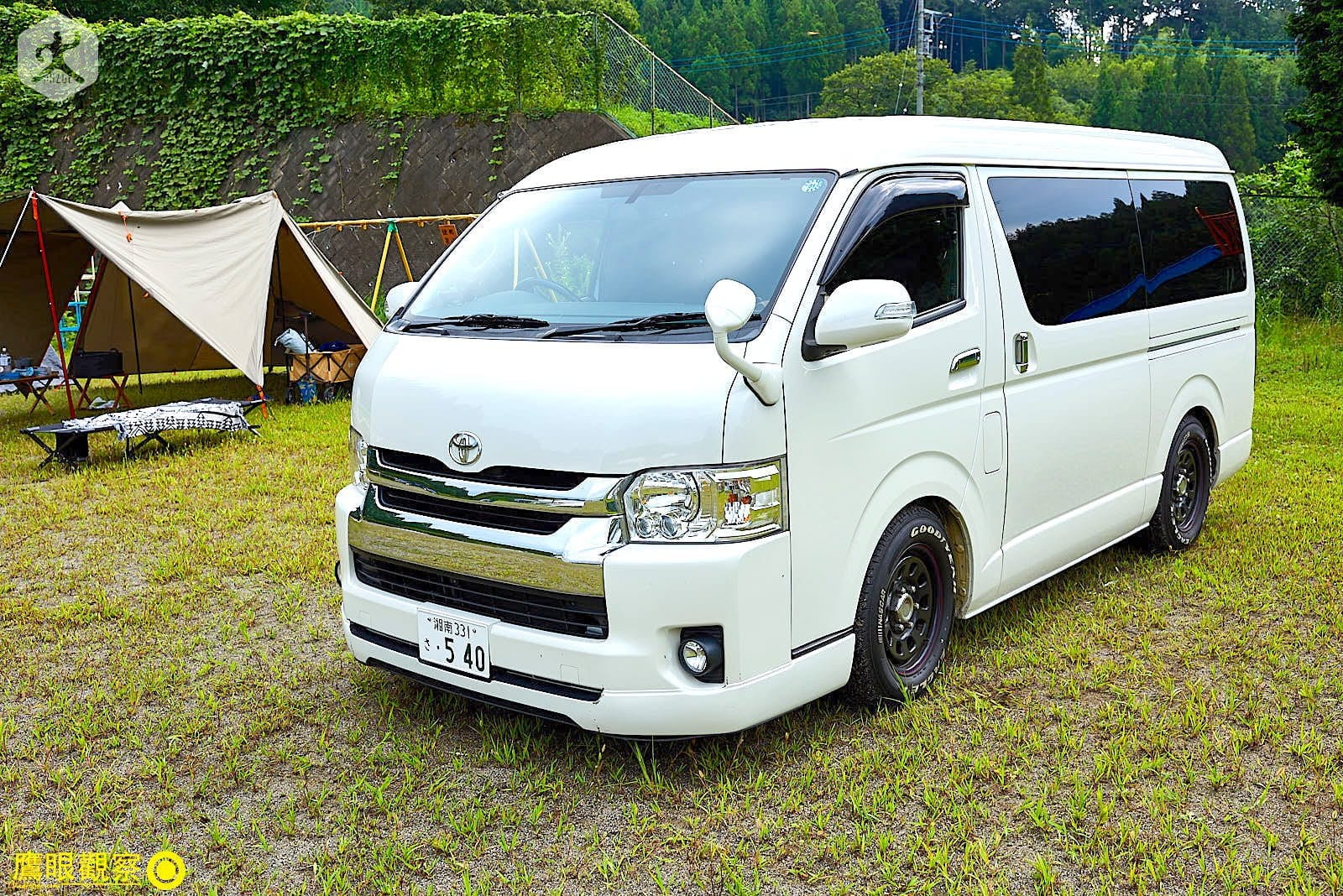
Invited by JTB, I joined a newly piloted “Abandoned School RV Camping” gathering held on the athletic grounds of Shiritsu Kuga Elementary School in Kanuma City, Tochigi Prefecture, near Tokyo. Driving a spacious 13-passenger Toyota HiAce van rented through peer-to-peer camper platform Carstay, the trip delivered a memorable rural adventure.
With Japan experiencing acute demographic aging, abandoned schools have emerged across the country. Repurposing these educational facilities into community recreation and outdoor transit hubs offers valuable case studies for regional revitalizations.
Day 1: Driving to Shiritsu Kuga Elementary School
Driving from central Tokyo to Kanuma City takes approximately 2 to 3 hours via the Shuto Expressway Central Circular Route, Tohoku Expressway, and Kita-Kanto Expressway, exiting at the 8-Tsuga Interchange onto regional roads. Meeting my Japanese companion outside Shinjuku at 8:30 AM, we arrived at Kuga Elementary School around 11:00 AM.
Utsunomiya Gyoza Pit Stop
Approaching Kanuma, route signage points toward Utsunomiya, celebrated nationwide as Japan’s “Gyoza Capital.”
For dumpling enthusiasts, a detour through central Utsunomiya is highly recommended. The town center is lined with specialty dumpling restaurants. Among them, “Gyotendo” near Utsunomiya Station regularly draws long lines for its crisp pan-fried gyoza.
After an early lunch, we followed Prefectural Route 177 through quiet rural roads flanked by emerald rice paddies and crystal-clear streams, reaching the school in roughly 30 minutes.
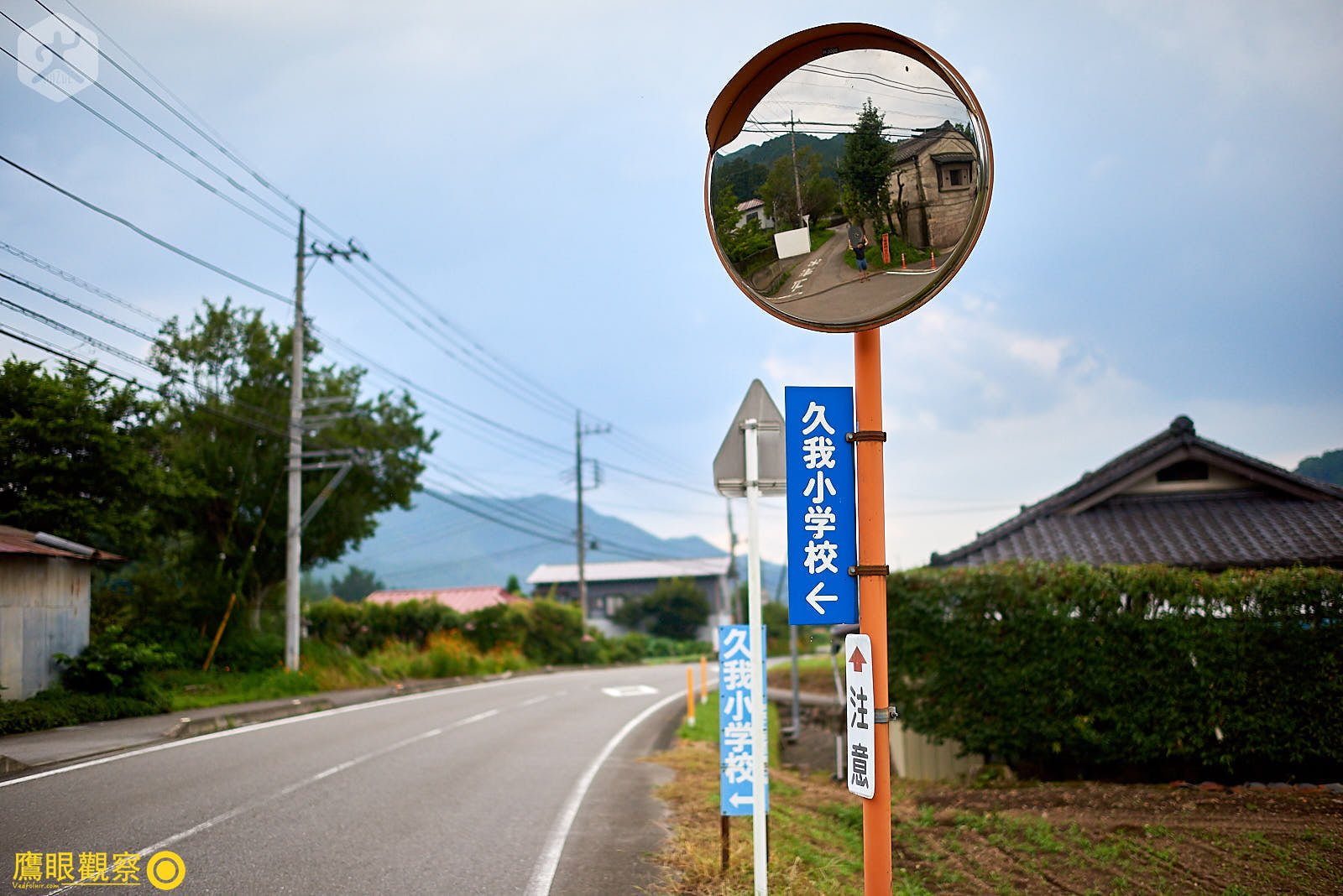
Approach road to Kuga Elementary School.
Shiritsu Kuga Elementary School
Founded in 1873 (Meiji 6), Kuga Elementary School underwent numerous mergers and reorganizations across its 146-year history before declining enrollments led to its official closure on March 31, 2019.
The campus includes a three-story main building with an architectural western clock tower, a gymnasium, sports grounds, and an outdoor swimming pool nestled against green foothills.
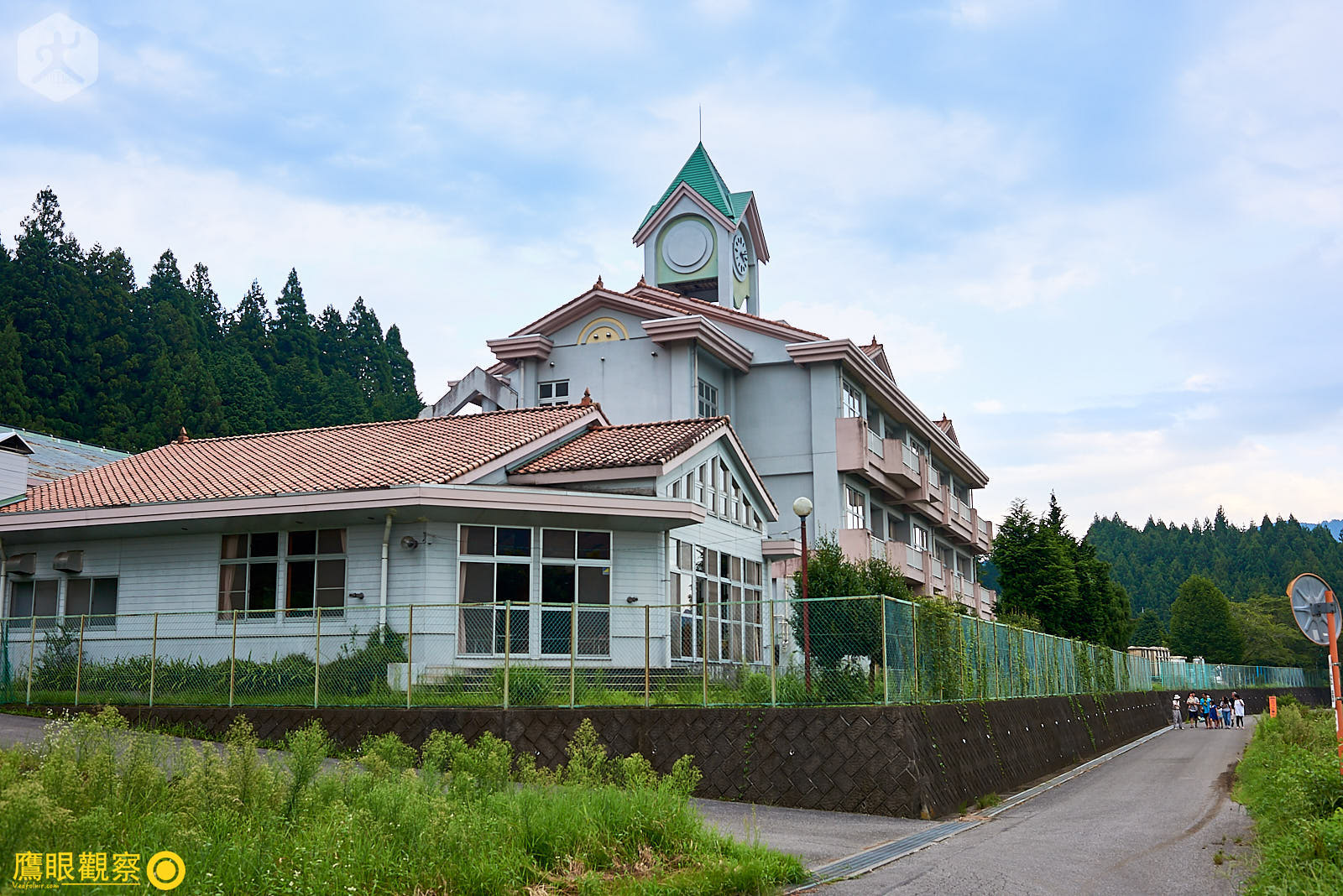
Kuga Elementary School’s western clock tower and school building.
The school’s athletic field served as our basecamp for the weekend. Local organizers graciously unlocked the first floor of the main building, providing air-conditioned rest spaces and clean indoor washroom amenities.
The “Cookathon” Barbecue Rally
Arriving on the school grounds, we joined an open-air barbecue marathon—dubbed a “Cookathon” by local hosts—welcoming community residents and camper travelers to grill together under the open sky.
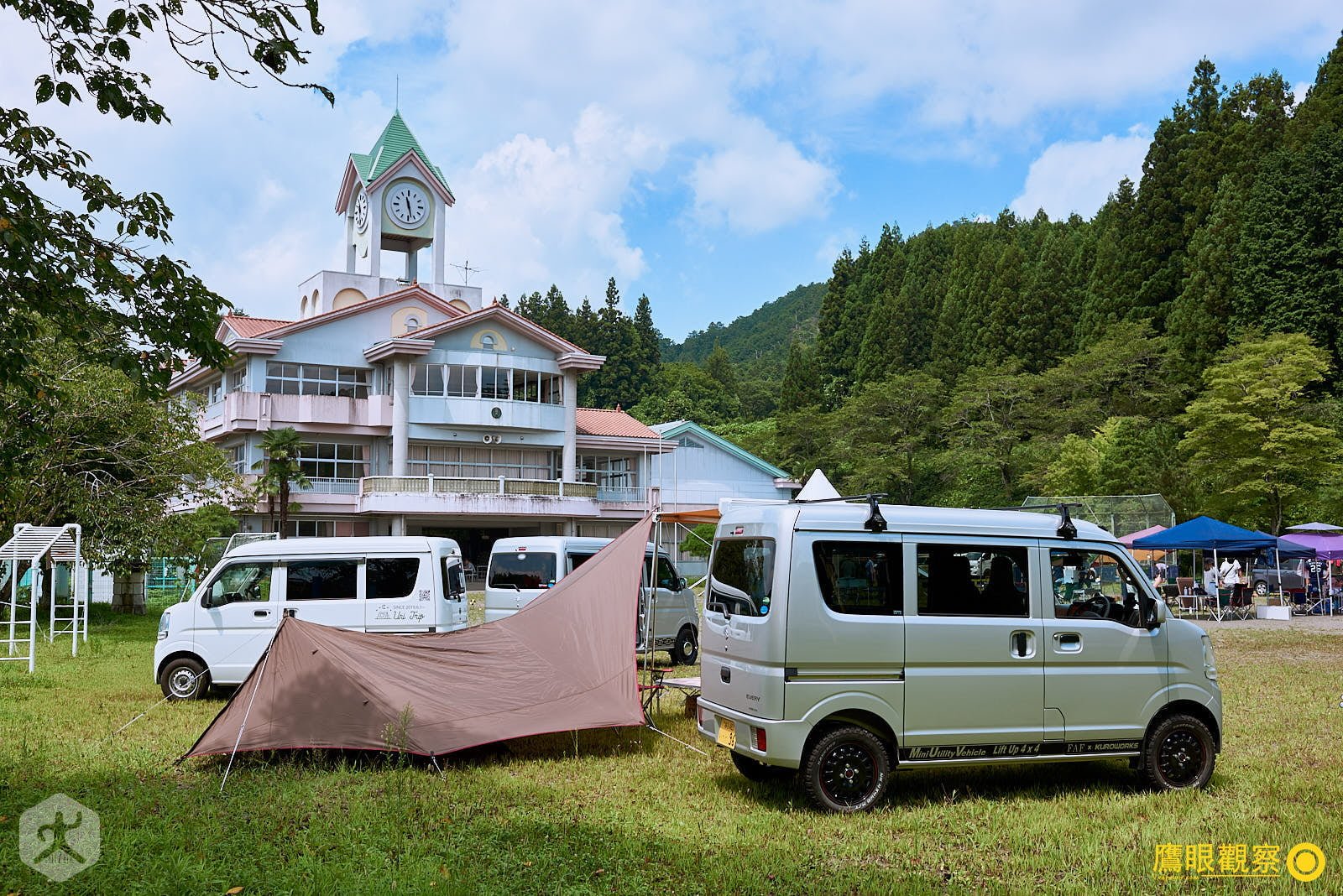
The afternoon community barbecue rally.
Local residents threaded fresh mountain river trout onto bamboo skewers to roast over charcoal embers, sharing chilled summer watermelon with participants.
Arai River & Sweet Corn Harvesting
Nearby, the Arai River provides cool, shaded pools of pristine mountain runoff. In the summer heat, dipping into the refreshing current brought immediate relief.
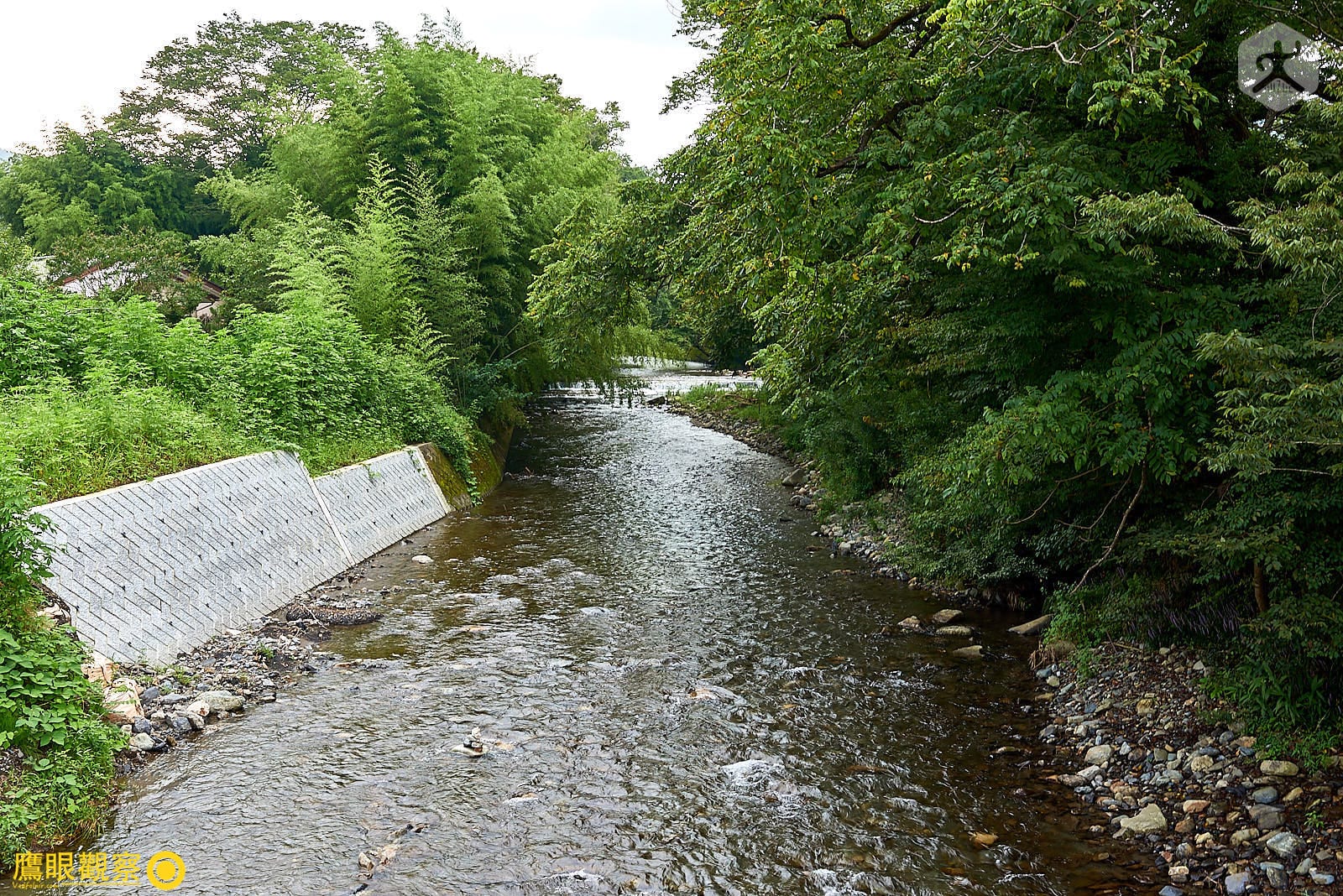
The refreshing mountain stream of the Arai River.
The Arai River is also a beloved fishing stream. The local fisheries association stocks sweetfish (Ayu) and landlocked trout (Yamame) seasonally, offering daily and annual fishing permits.
Next, we visited a nearby agritourism farm to pick fresh sweet corn. For 500 JPY (approx. NT$145), visitors can harvest three large ears directly from the stalks. Shucked right in the field, the raw kernels were remarkably sweet, rivaling the famous corn of Hokkaido.
Note: Fresh raw corn cannot be brought onto international passenger flights into the Republic of China (ROC). However, shelf-stable commercially vacuum-packed corn is permitted through green customs clearance channels upon arrival!
Starlit Evening at Kuga School
As dusk settled, daytime visitors headed home, leaving camper van owners on the field. Under a large pavilion canopy, camper enthusiasts, outdoor YouTubers, and organizers grilled meats and shared regional sake under the stars.
Tucking into the fold-flat bedding of the spacious Toyota HiAce, I drifted off to sleep surrounded by crickets and cool mountain breezes.
Day 2: Forest Shrines and Returning to Tokyo
Waking naturally at 5:00 AM, the countryside was bathed in morning mist.
For breakfast, our hosts fired up the outdoor hotplate to prepare authentic Yakisoba (Japanese fried noodles) using leftover pork, cabbage, and rich savory sauce—a quintessential post-barbecue outdoor tradition in Japan.
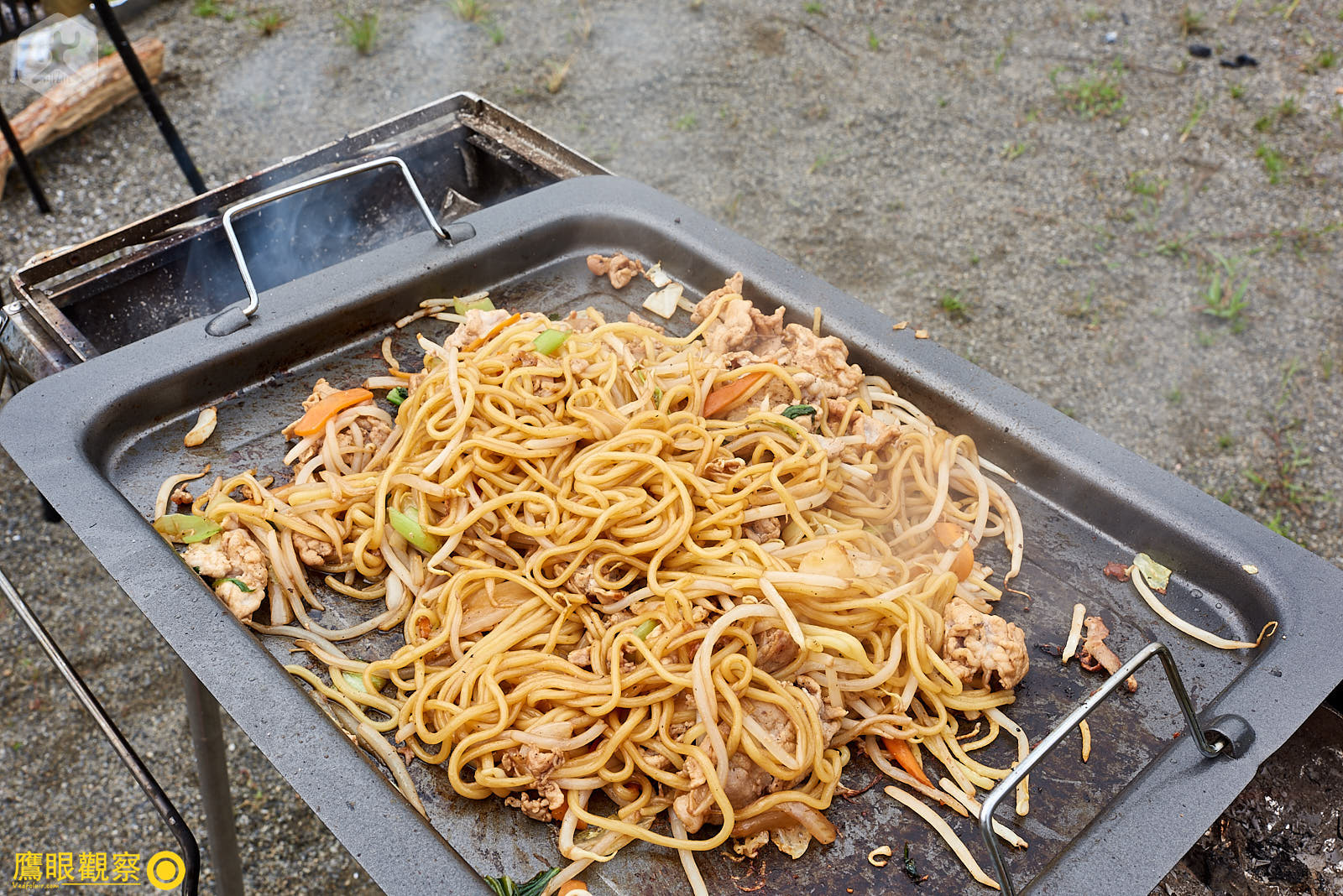
Freshly prepared Yakisoba fried noodles for breakfast.
Mount Ozaku Forest Trail & Kasusan Shrine
Before returning to Tokyo, we visited the nearby Mount Ozaku Forest Trail (Ozakusan Forest Trail), home to the historic Kasusan Shrine, a municipal natural monument surrounded by soaring ancient Japanese cedars.
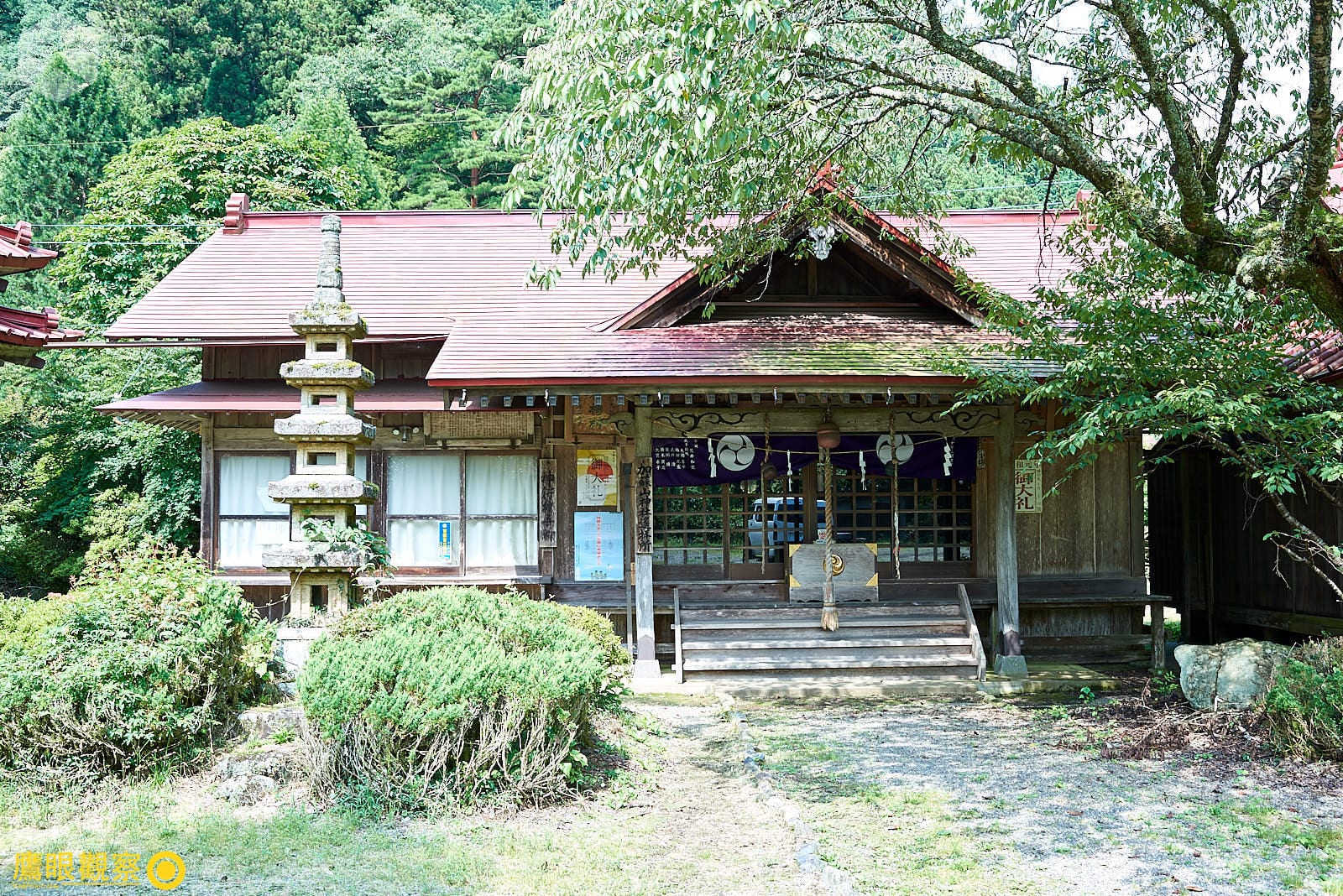
Towering ancient cedar trees along the Kasusan Shrine approach.
Hiking beneath towering canopy trees, the trail conveys a mystical, timeless atmosphere. Two monumental sacred trees standing behind the main Torii gate are rare sights even among historical shrines across Japan.
Destination Details
- Shiritsu Kuga Elementary School: 60-1 Kamikuga, Kanuma, Tochigi 322-0254, Japan
- Kanuma Onsen Hanayurari: 1255 Tochikubo, Kanuma, Tochigi 322-0001, Japan
Support Independent Perspectives & In-Depth Insights
Every thoughtful analysis and candid critique comes from our dedication to truth and quality. We choose not to follow sensational algorithms or clickbait headlines.
Sustaining independent research requires reader support. Make a one-time or monthly contribution, securely processed by Google.
Payments secured by Google · Manage or cancel anytime in your Google Account


Comments